
-
Drink Britain Dry

(c’86-87) Ade Street (co-lead vocal), Max ? (co-lead vocal), Tim Eagles (drums), Glenn Blackman (bass), Gary Blackman (guitar) and ? “JJ” ? (guitar).
This Aldershot band aimed for a James Chance / Beastie Boys contortion and were included in The Buzz Club‘s local band night, at the West End Centre, Aldershot, on 26 November ’87 along with The Aurbisons, The Gathering, The Caretaker, and The Dead Beats. Hugh Shipman was there, reporting that he “saw Drink Britain Dry, the most entertaining show by anybody that I ever attended. “Golden rain, from Chernobyl”. Wonderful. They were huge but they should also have been famous.”
This wasn’t the bands only appearance at the West End Centre, we know that they were once supported by Rising Signs, that band’s debut, at the venue.
The Aurbisons’ Dave Driscoll recalls, in an interview for Cloudberry Cake Proselytism V.3: “A small group of skinheads would come to our gigs & shout “Woahhhhhhh you’re sh*t!!! Ahhhhhhhhhhh!” after every song. I later found most of them were in a band called Drink Britain Dry. They were fantastic & ahead of their time. They were funk-punk with white boy rapping over the top, the basic opus of their songs, being the glorification of getting completely munted. At the end of their set the band would throw down their instruments, grab the singer & carry him on their shoulders & lay him on the bar.”
Prior to Drink Britain Dry, Street had been in Rebels Without Mercy, and The Plague.
Gallery:
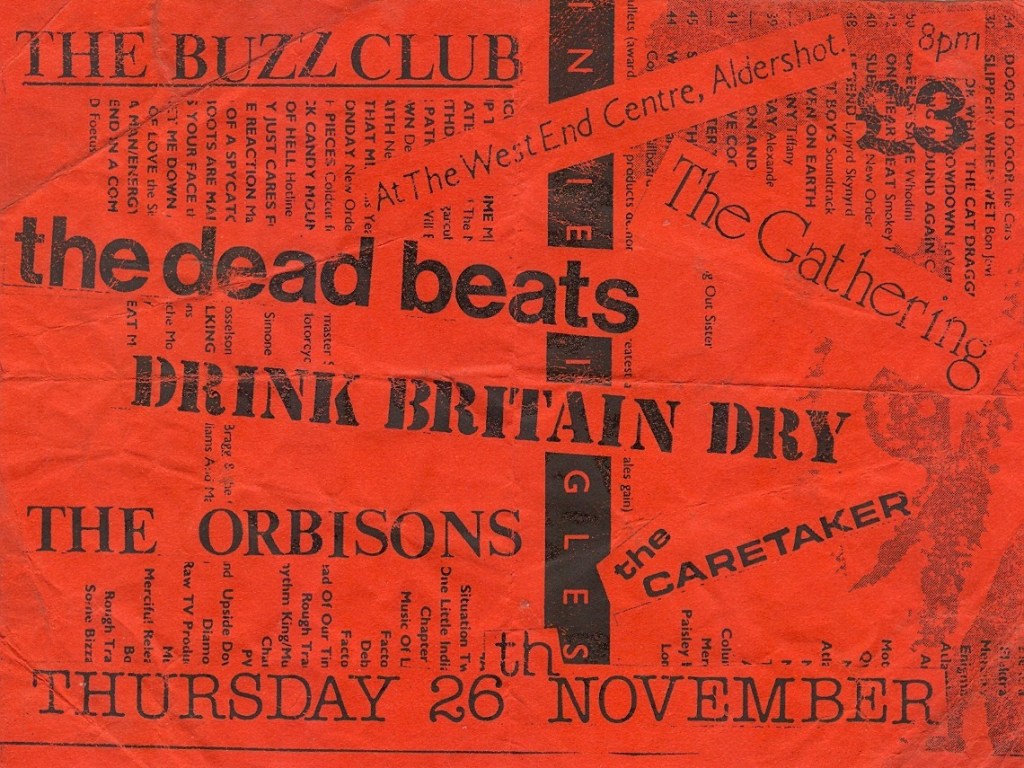
Drink Britain Dry were included in a Buzz Club local band night on 26 November ’87 along with The Aurbisons, The Gathering, The Caretaker, and The Deadbeats. 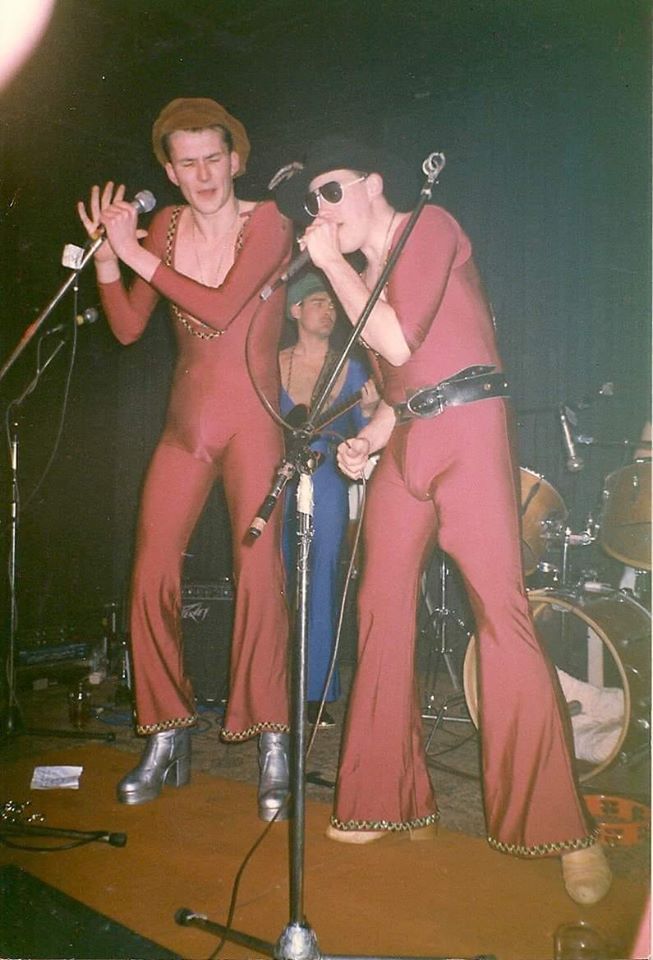
Drink Britain Dry at West End Centre, Aldershot in ’86. Picture courtesy of Ade Street -
The Dead Beats

(c’87-88) Jason Applin (vocals), Ric Testa (Guitar), Paul Harle (Bass), and Dominic Coles (Drums).
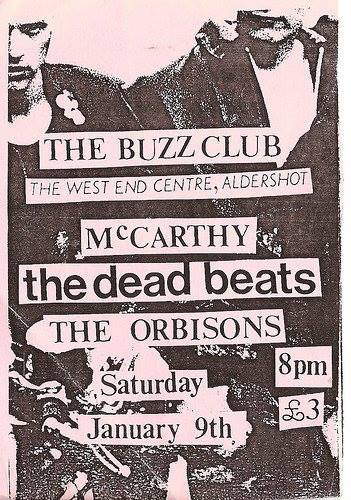
The Dead Beats formed in late ’87 and were included in The Buzz Club‘s local band night, at the West End Centre, Aldershot, on 26 November ’87, along with The Aurbisons, The Gathering, The Caretaker, and Drink Britain Dry. They and The Aurbisons returned to the venue and The Buzz Club to support McCarthy on 9 January ’88.
The Dead Beats split in March ’88, returning later in the year in a number of guises, eventually becoming Sugar Mountain.
Applin and Harle went on to The Ha Ha Men. Applin was then a founding member of Bennet and ran an indie record label. Coles would also become a member of and Something Religious, The Outcast Band, and The Four.Gallery:
-
West One

(c’85-’88) Paul Morris (guitar/vocals), Patrick James (guitar/vocals), Mick Goddard (bass/vocals) and Vince Southey (drums/vocals).

8 November 1986: West One at Princes Hall, Aldershot. Source: West One This Aldershot band formed in May ’85. Influenced by The Alarm, The Ruts, U2 and The Jam; The Ruts “West One (Shine on Me) may be the source of the band name. By 6 December ’85 they were supporting, along with Safety in Numbers, Squeals of Delight at the Technical College, Farnborough.
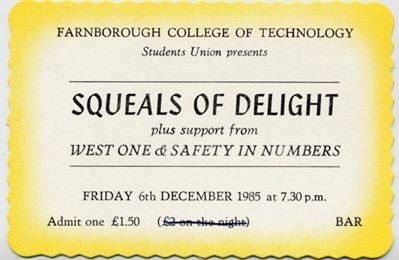
6 December 1985: Ticket for Squeals of Delight supported by West One, and Safety in Numbers at Farnborough Tech. Picture courtesy of Pete Cole The Fox & Hounds, Fleet opened their doors to the friends, family and fans of West One on 23 January ’86. The band returned to Farnborough Tech on 15 March ’86. The band also released a demo cassette in early ’86, which featured “Brick by Brick”.

West One Demo cassette cover from 1986. Source: West One In June, West One appeared at the Kings Head, Fulham and The Robin Hood, Stanford on the 1 June and 7 June respectively. The Lion Brewery, Ash had the band in on 15 July ’86, followed a few days later by an appearance at at St. Marks Hall, North Camp, on 19 July ’86, with Big House and Steve Mann. The Royal Oak, Passfield – a local venue with an interesting pedigree of live bands – booked the band for 22 July ’86. On 15 August the band were at Princes Hall, Aldershot, with the newly formed Bluetrain, supporting Ministry of Sound. The very next day they were back at The Royal Oak, Passfield; and ten days after that on 26 August ’86 they returned to The Lion Brewery. Their two gigs the following month found them staying local at The Subway, Cellar Bar, South Hill Park, Bracknell on 11 September and supporting Java at Princes Hall, Aldershot on 17 September. The band were at Princes Hall again on 8 November. The Buzz Club rounded out ’86 with a local bands night which featured West One supporting Steel Bill and the Buffalos, along with Second Balcony Jump, FRA, and The Jeremiahs on 15 November. Their last gig on ’86 that we have documented was on 12 December at The Riverside Club, Fetcham, supporting The Body Politic, along with The Shift.

12 December 1986: West One supported Body Politic and The Shift at The Riverside Club, Fetcham. Source: West One On 6 February ’87 they supported Geno Washington & The Ram Jam Band at the West End Centre, Aldershot. Later that month, on 26 February, West One were performing The Subway, Cellar Bar, South Hill Park, Bracknell. The Beehive, Aldershot hosted the band on 1 May, a venue they returned to on 5 June, and the month after that on 18 July ’87. Three days later, on 21 July, they were at The Majestic, Reading on the first date of what was labeled the New Town Tour. The band laid on coaches from their home turf to each venue on the tour. This included The Tunnel Club, Greenwich on 5 August and 5 September, The Mean Fiddler, Harlesdon on 18 August, The Royal Standard, Walthamstow on 12 October. Aldermoor School, Southampton held an S.O.S. (Save Our School) event on 16 October at which West One performed – The school closed for good in ’89. On Guy Fawkes night that year West One were supported by Too Much Talk at The Subway, Bracknell for the Bonfire Bash. Still on the New Town Tour the band returned to The Tunnel Club, Greenwich once again on 14 November ’87, then on 20 November they were back on home turf at The Crimea, Aldershot. That same year a 7″ single was initiated on the Robot Records / Music label with “Dreaming on My Feet” back by “New Town”; it never saw the light of day.

6 February 1988: West One supported Geni Washington and The Ram Jam Band at the Tunnel Club, London. Advert from NME. Source: West One On 6 February ’88 the band were once again supporting Geno Washington & The Ram Jam Band, this time at the Tunnel Club, Greenwich. A few days later, on 15 February, the band were lower on the bill at the Mean Fiddler, Harlesden with Norman Norman, Grey by the Gun, and The Big Weekend. Then, on 25 February ’88 they appeared at The Subway, Cellar Bar, South Hill Park, Bracknell. The West End Centre hosted the band once more, again supporting Geno Washington & The Ram Jam Band on 18 March ’88. The Battle for the Limelight, part of ITV Telethon ’88, was held on 4 May ’88 Princes Hall, Aldershot, and West One competed against Paper Moon, UxB, and Rising Signs. It was around this time that West One recorded a demo at Limelight Recording Studios, Aldershot. The band were once more at the West End Centre on 2 September ’88, with Rising Signs and The F1-11 in support.

Son of Farnborough Groove; Vol.2 The band appeared on Son of Farnborough Groove Vol.2 in ’92 with “House of Cards” and followed that with “Dreaming on My Feet” on Farnborough Groove strikes back! Vol.5 in ’95.
Morris, who may be the same Paul Morris that originally managed The Click, was also in The Perfect Circles after West One; then Modern Art Thieves. James went on to perform under his own Patrick James name as a singer / songwriter and in Blue Velvet, Ghandarva and others. In January 2002, Patrick James Sullivan was part of the reformed J.C. Regulator. Southey has regrettably passed.
Tracks:Gallery:

6 December 1985: West One played Farnborough Tech. Source: West One 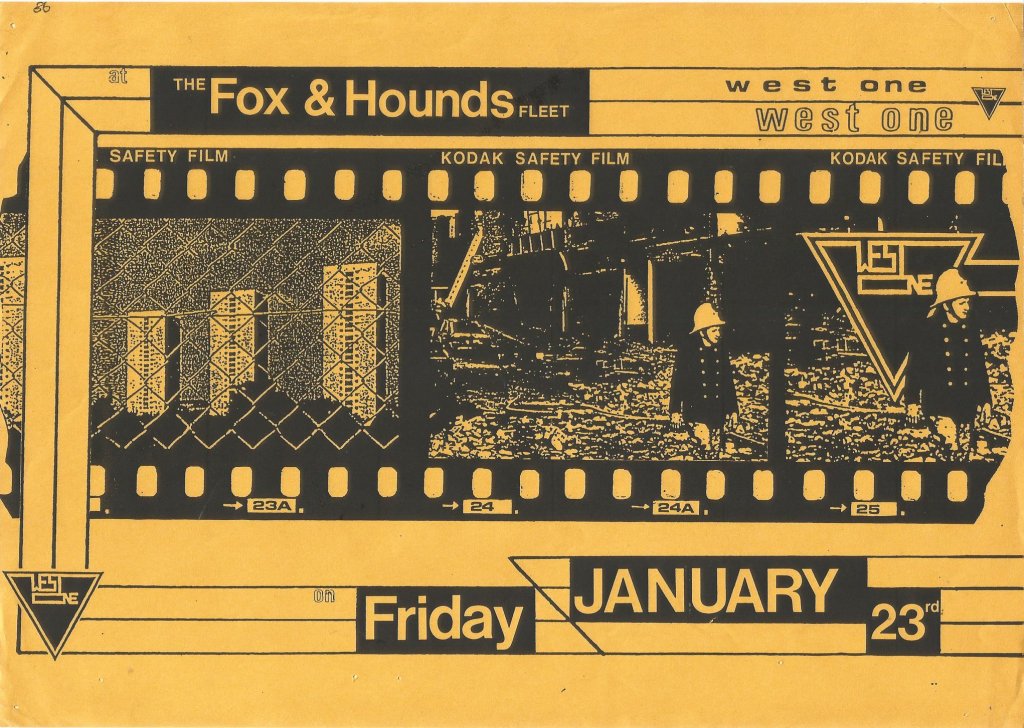
23rd January 1986: West One were at Fox & Hounds, Fleet. Source: West One 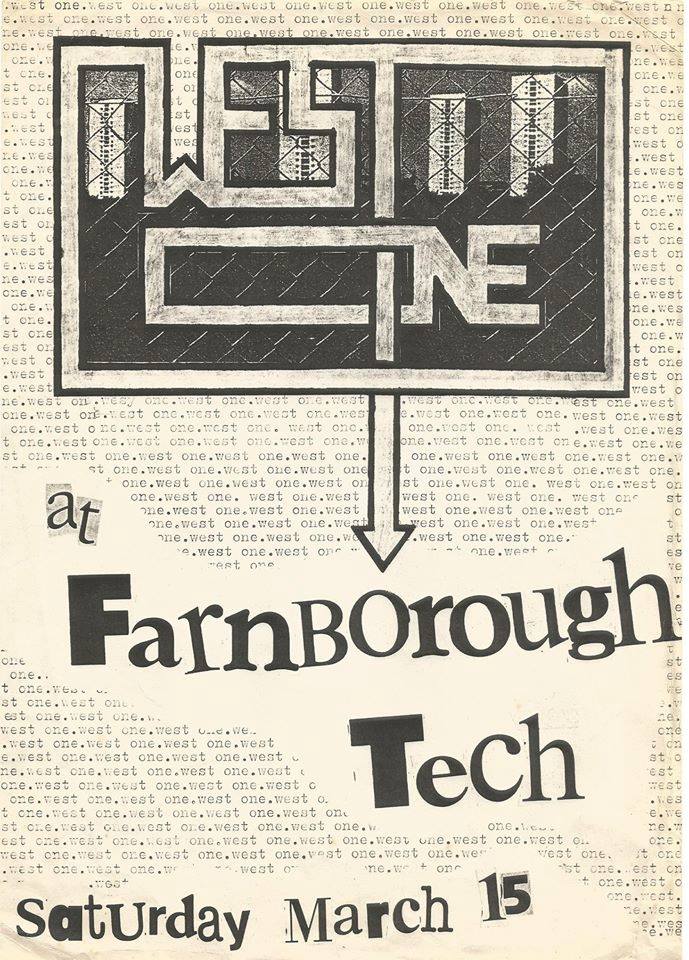
15 March 1986: West One played Farnborough Tech. Source: West One 
1 June 1986: West One were at Kings Head, Fulham. Source: West One 
7 June 1986: West One were at The Robin Hood, Standford. Source: West One 
15 July 1986: West One played The Lion Brewery, Ash. Source: West One 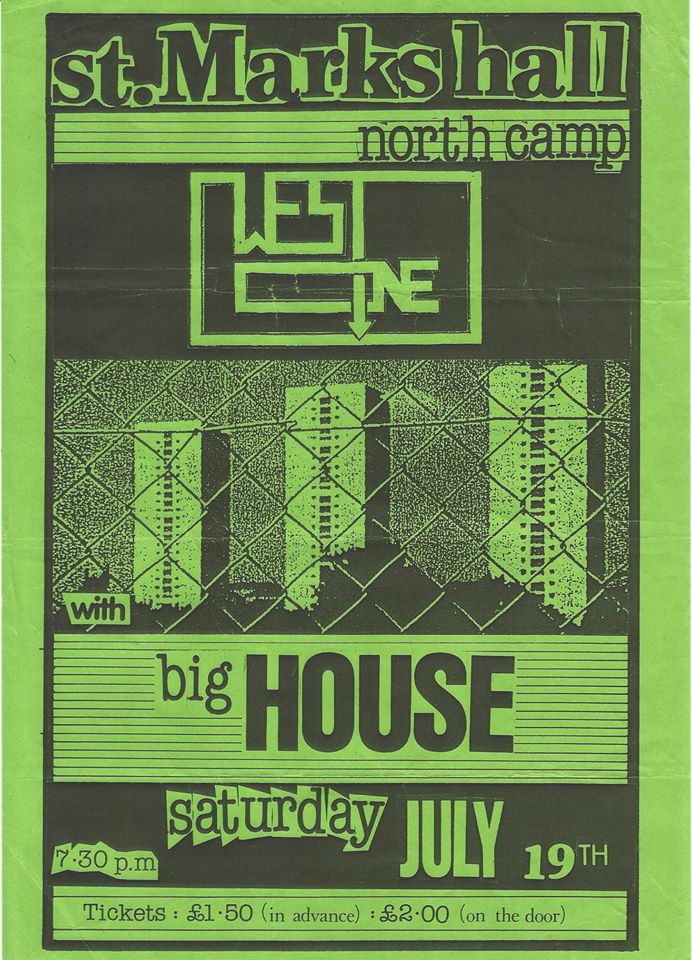
19 July 1986: West One, Steve Mann, and Big House played St. Marks Hall, North Camp. Source: West One 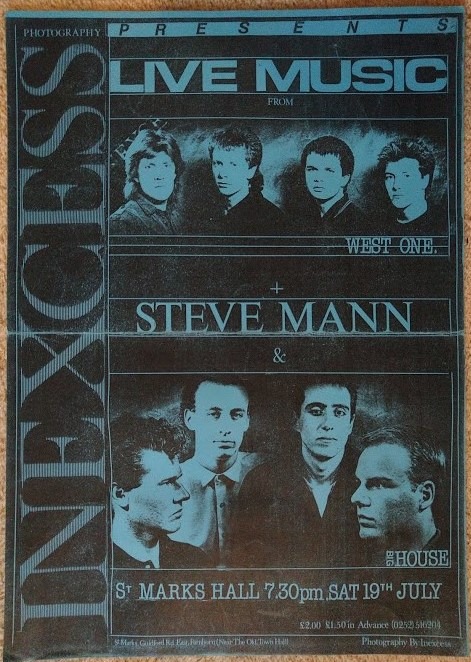
19 July 1986: West One, Steve Mann, and Big House played St. Marks Hall, North Camp. Source: West One 
22 July 1986: West One played Royal Oak, Passfield. Source: West One 
15 August 1986: Bluetrain and West One supported Ministry of Sound at Princes Hall, Aldershot. Source: West One 
16 August 1986: West One played Royal Oak, Passfield. Source: West One 
26 August 1986: West One played The Lion Brewery, Ash. Source: West One 
11 September 1986: West One were at The Subway, Cellar Bar, South Hill Park, Bracknell. Source: West One 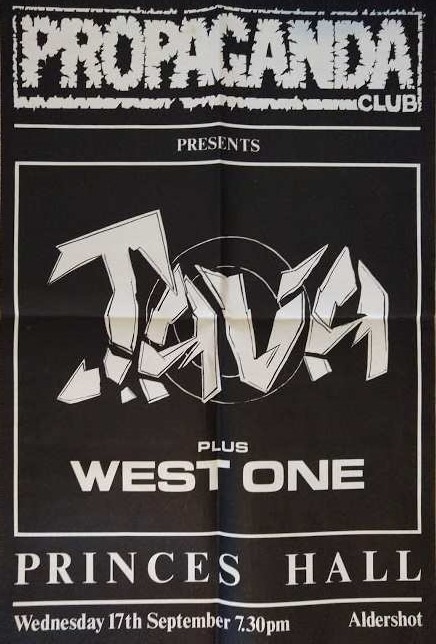
17 September 1986: West One supported Java at Princes Hall, Aldershot. Source: West One 
17 September 1986: West One supported Java at Princes Hall, Aldershot. Source: West One 
8 November 1986: West One played Princes Hall, Aldershot. Source: West One 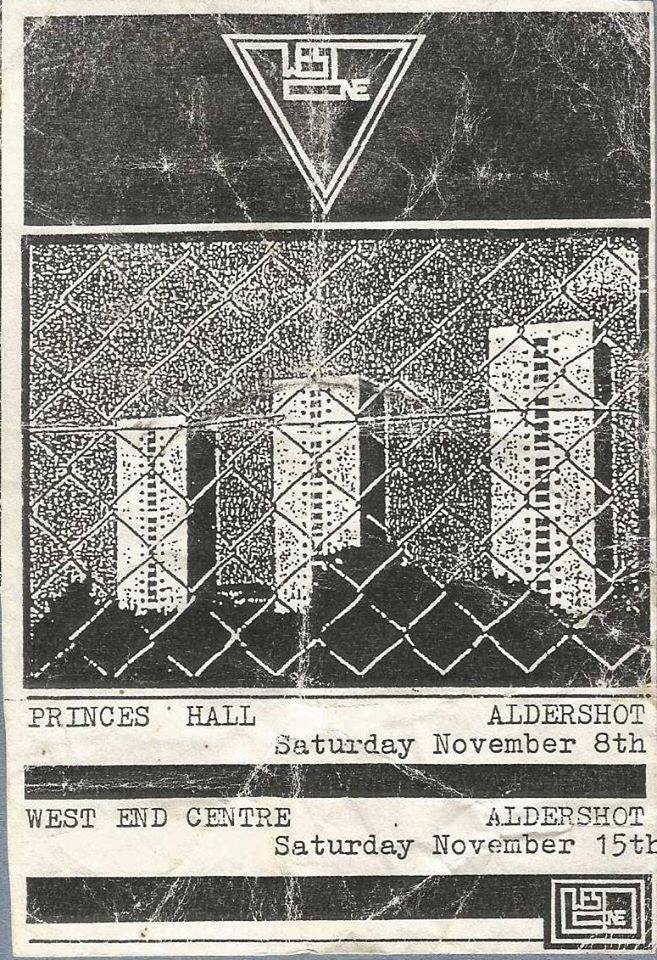
West One were in Aldershot at Princes Hall on 8 November ’86 and the West End Centre, on 15 November ’86. Source: West One 
15 November 1986: Flyer for Steel Bill and The Buffaloes supported by West One, FRA, and Second Balcony Jump. Source: West One 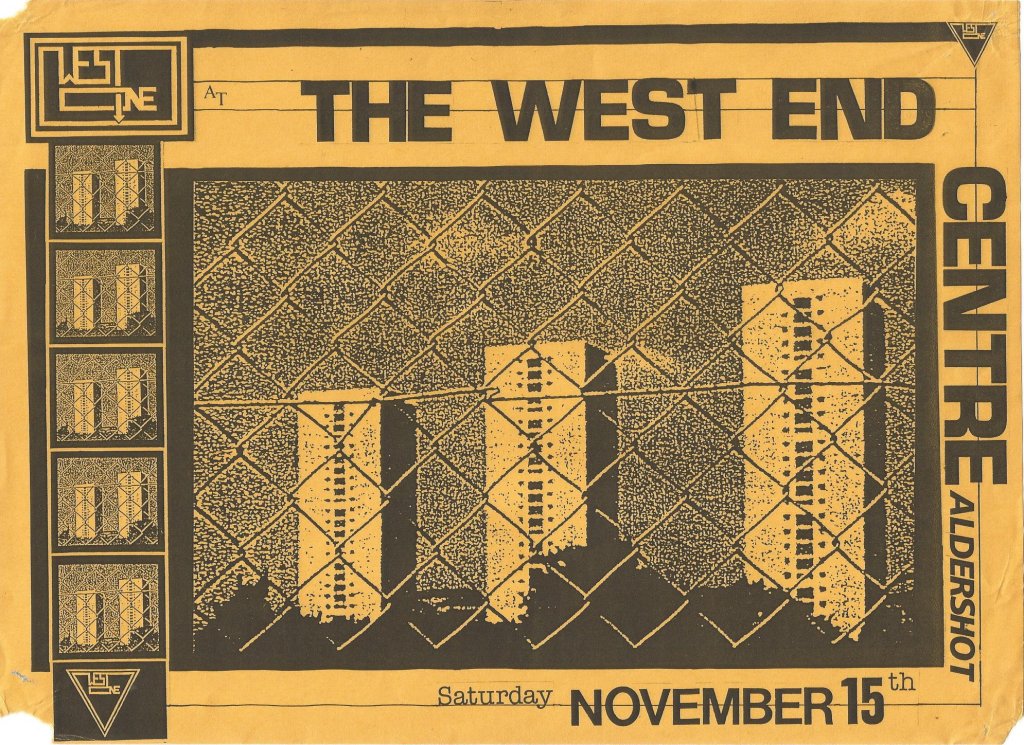
15 November 1986: Flyer for West One at West End Centre, Aldershot. Source:WWest One 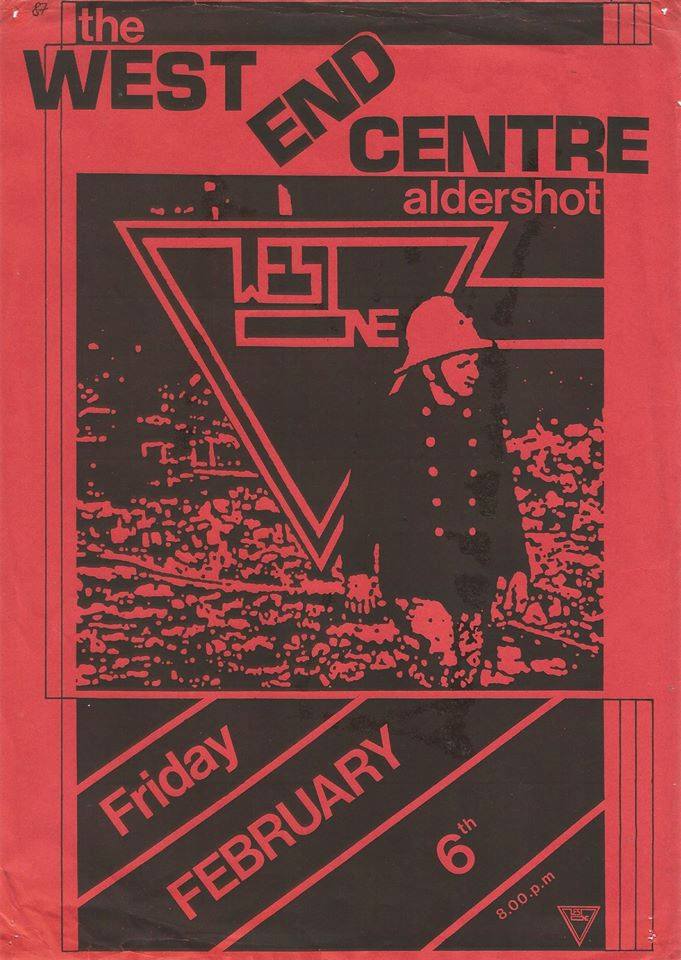
6 February 1987: Poster fot West One at the West End Centre, Aldershot. Source: West One 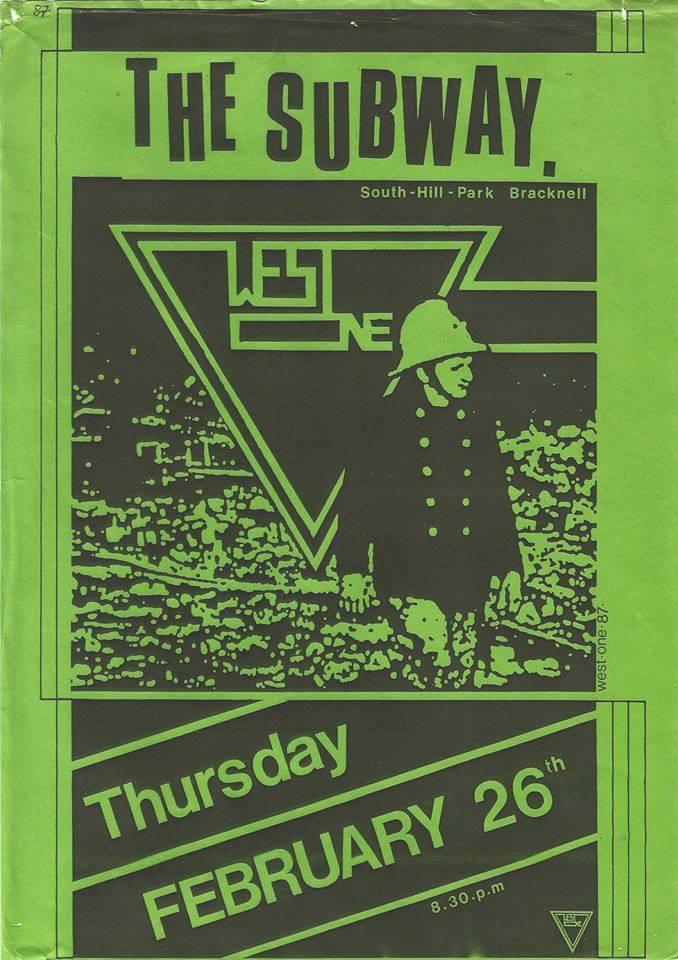
26 February 1987: West One were at The Subeway, Cellar Bar, South Hill Park, Bracknell. Source: West One 
1 May 1987: West One played The Beehive, Aldershot. Source West One 
5 June 1987: West One played The Beehive. Aldershot. Source West One 
18 July 1987: West One played The Beehive, Aldershot. Source West One 
21 July 1987: West One were at The Majestic, Reading. Source: West One 

18 August 1987: West One flyer for Mean Fiddler, Harlesden gig. Source: West One 
18 August 1987: West One were at The Mean Fiddler, Harlesden. Source: West One 
5 September 1987: West One were at The Tunnel Club, Greenwich. Source: West One 
12 October 1987: West One were at The Royal Standard, Walthamstow. Source: West One 
16 October 1987: West One were at Aldermoor School, Southampton. Source: West One 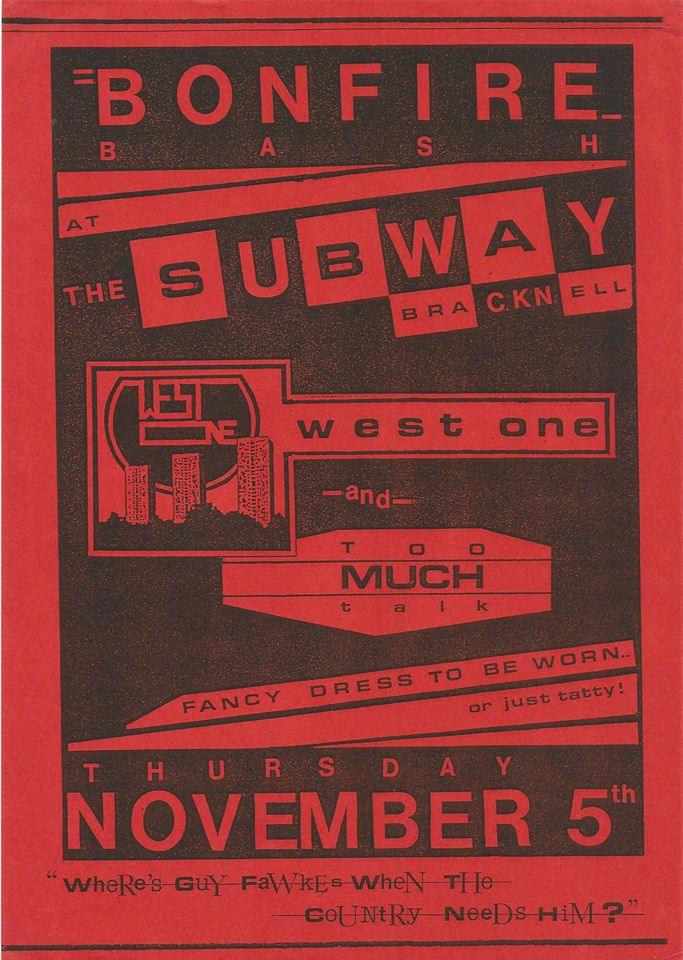
5 November 1987: West One, supported by Too Much Talk, were at The Subway, Cellar Bar, South Hill Park, Bracknell. Source: West One 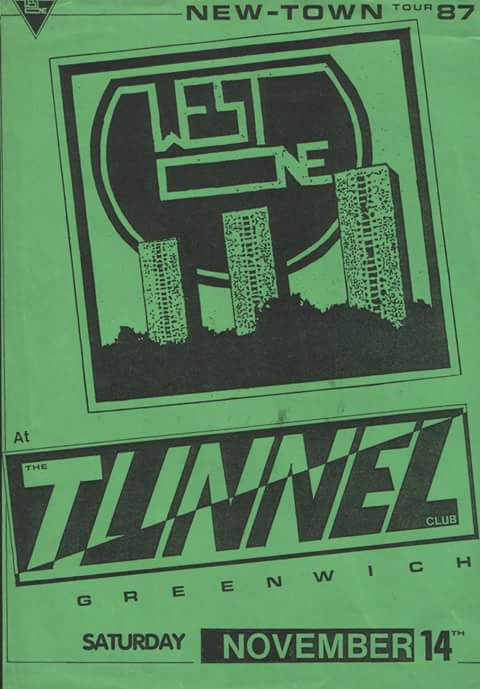
14 November 1987: West One Flyers for gig at The Tunnel Club, Greenwich. Source: West One 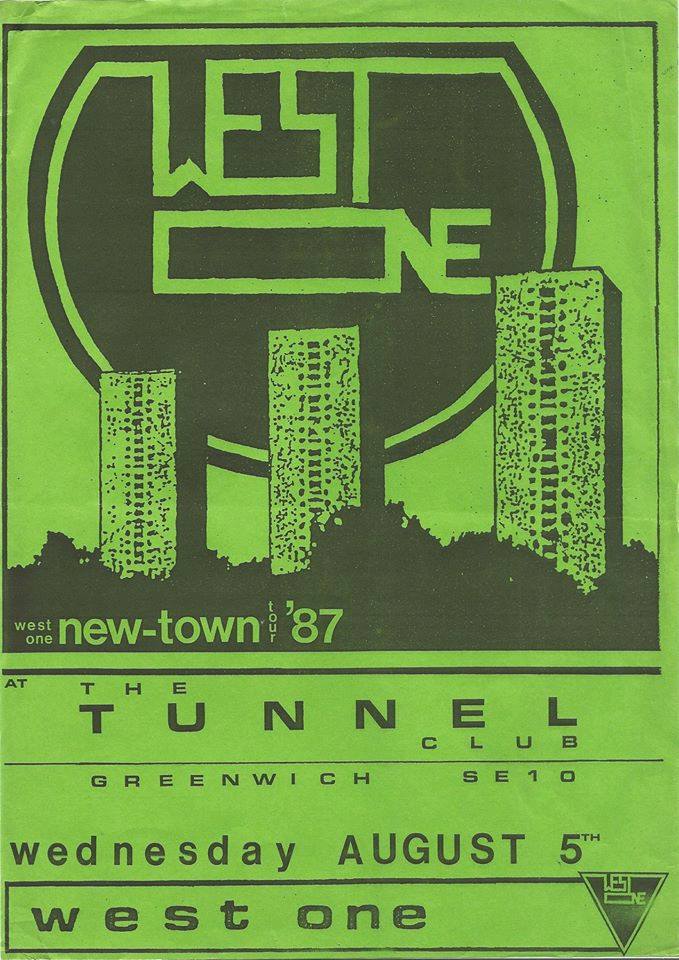
14 November 1987: West One were at The Tunnel Club, Greenwich. Source: West One 
14 November 1987: West One Flyers for gig at The Tunnel Club, Greenwich. Source: West One 
20 November 1987: West One played The Crimea, Aldershot. Source: West One 
West One Flyer listing 1988 gigs at Tunnel Club, Greenwich on 6 Feb (supporting Geno Washington); Mean Fiddler, Harlesdon on 15 Feb; and The Subway, Bracknell on 25 Feb. Source: West One 
15 February 1988: West One supported Norman Norman and Grey by the Gun, along with The Big Weekend, at the Mean Fiddler, Harlesden. Advert from NME, 13 February 1988. Source: West One 
15 February 1988: West One were at Mean Fiddler, Harlesden. Source: West One 
25 February 1988: West One were at The Subway, Cellar Bar, South Hill Park, Bracknell. Source: West One 
West One at Cellar Bar, South Hill Park, Bracknell. Source: Ian Bridgeman via West One 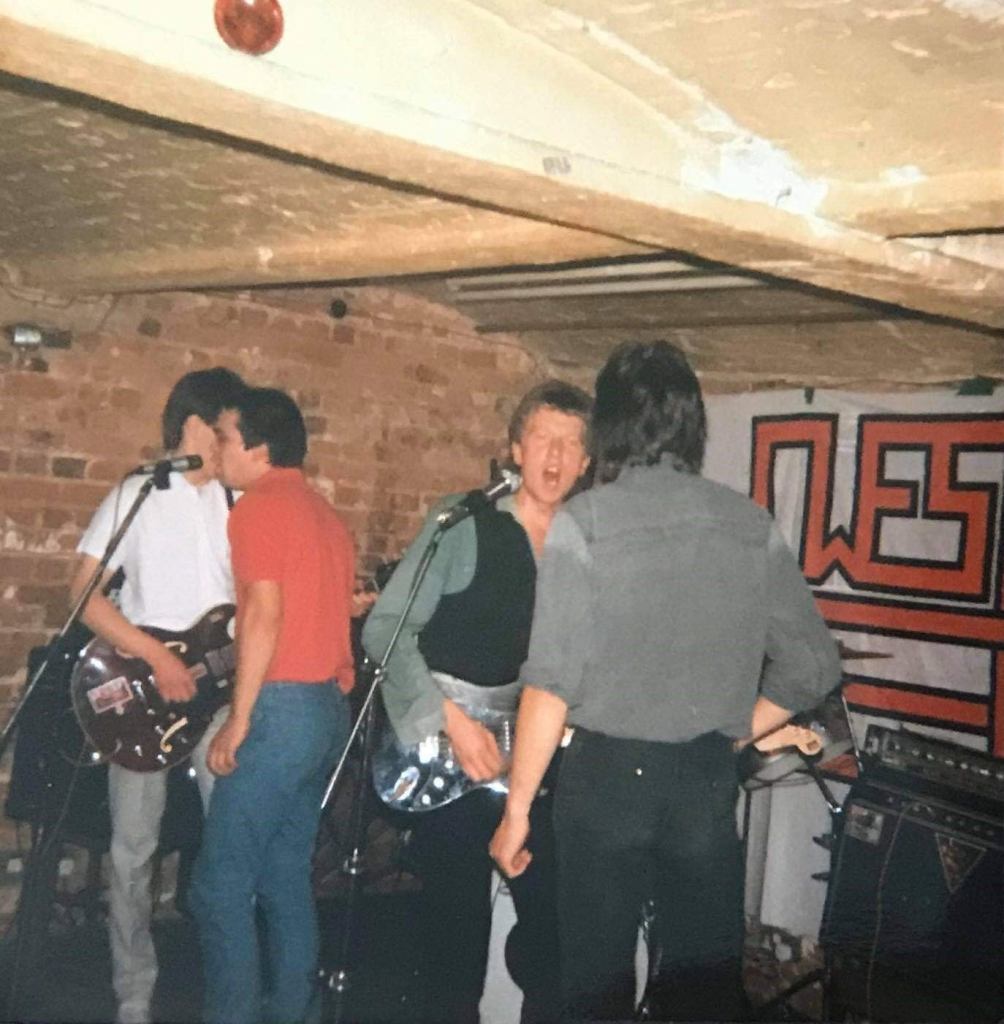
West One at Cellar Bar, South Hill Park, Bracknell. Source: Ian Bridgeman via West One 
West One at Cellar Bar, South Hill Park, Bracknell. Source: Ian Bridgeman via West One 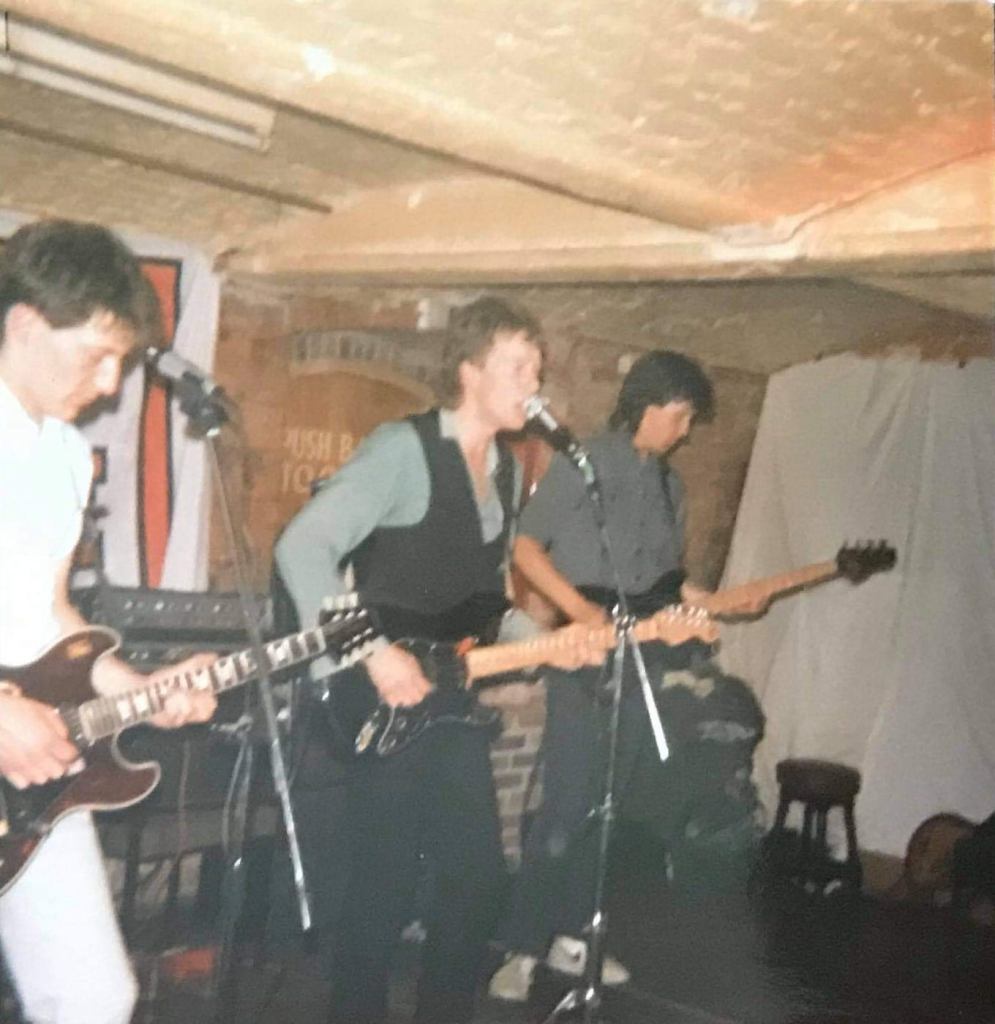
West One at Cellar Bar, South Hill Park, Bracknell. Source: Ian Bridgeman via West One 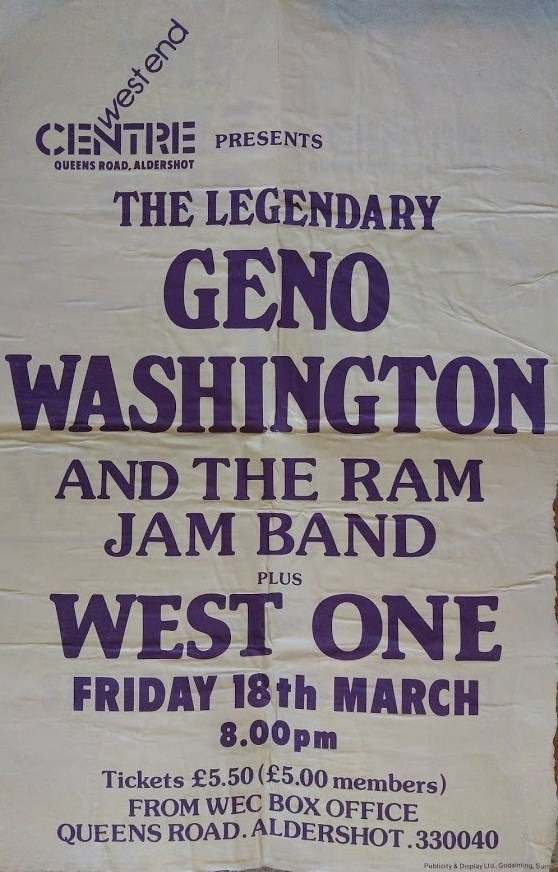
18 March 1988: Poster for Geno Washington and the Ram Jam Band, supported by West One at the West End Centre, Aldershot. Source: West One 
18 March 1988: Poster for West One at the West End Centre, Aldershot; the night they supported Geno Washington and the Ram Jam Band. Source: West One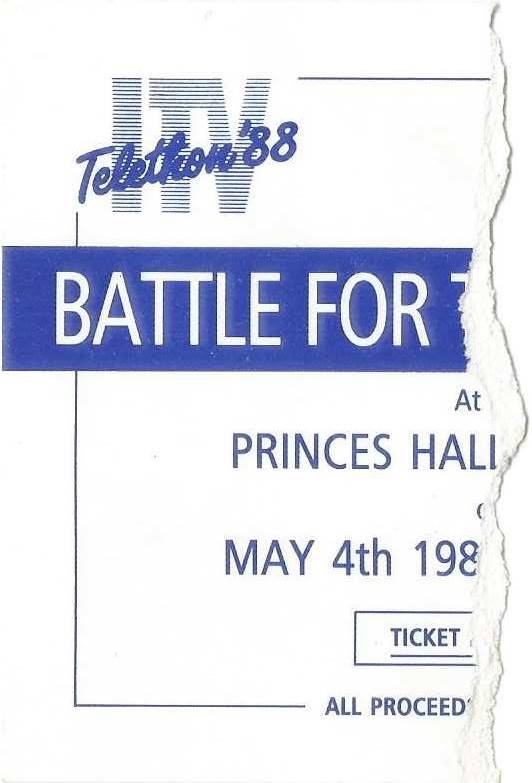
4 May 1988: Ticket for Battle For The Limelight at Princes Hall, Aldershot. The event feature West One, Paper Moon, UxB, and Rising Signs. Source: West One
4 May 1988: West One played Princes Hall, Aldershot. Source: West One 
2 September 1988: Poster for West One at the West End Centre, Aldershot. They were supported by supported by Rising Signs, and F1-11. Source: West One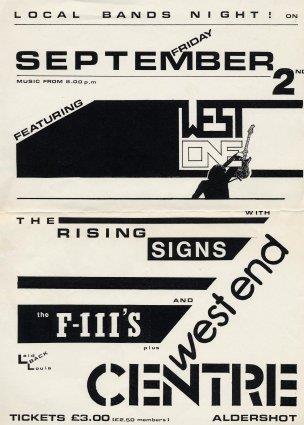
2 September 1988: Poster for West One at the West End Centre, Aldershot. They were supported by supported by Rising Signs, and F1-11. Source: West One
2 September 1988: Poster for West One at the West End Centre, Aldershot. They were supported by supported by Rising Signs, and F1-11. Source: West One
Pete Cole’s 33+ year old alarm clock with similarly vintage West One sticker. Source: West One 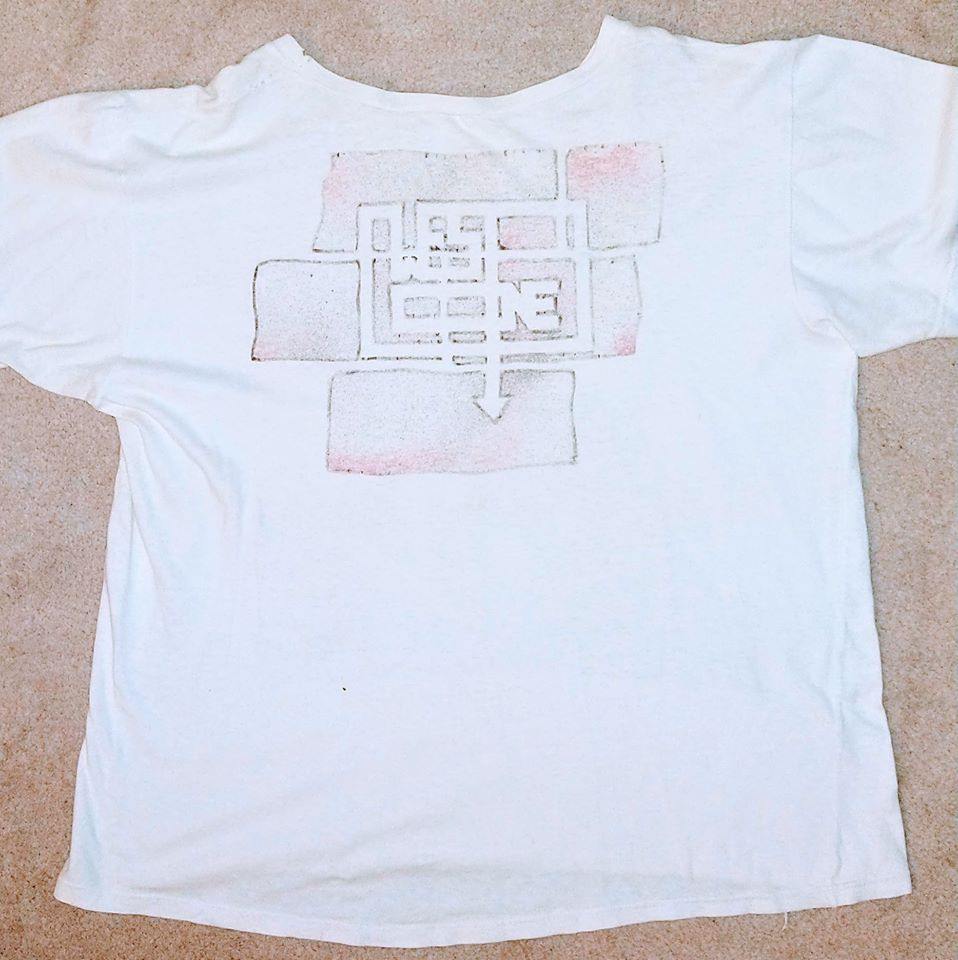
A homemade West One t-shirt. Source: West One 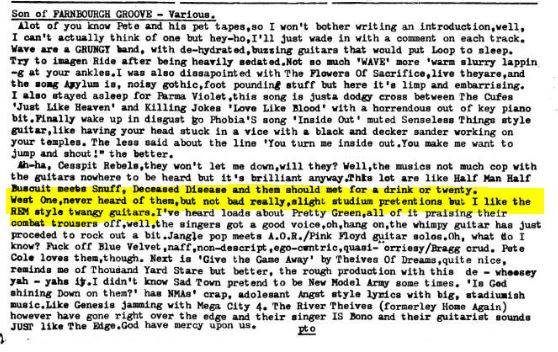
The Gossville Arsonist fanzine’s one-line review of West One track from The Son of Farnborough Groove Vol.2 
Farnborough Groove Strikes Back; Vol. 5 Aldermoor School, Aldershot, Ash, Battle for the Limelight, Big House, Blue Velvet, Bluetrain, Bracknell, Cellar Bar, F1-11, Farnborough, Farnborough Groove, Farnborough Tech, Fetcham, Fleet, Fox & Hounds, FRA, Fulham, Geno Washington & The Ram Jam Band, Ghandarva, Greenwich, Grey by the Gun, Harlesdon, ITV Telethon, J.C. Regulator, Java, King's Head, Limelight Recording Studios, Mick Goddard, Ministry of Sound, Modern Art Thieves, Norman Norman, North Camp, Paper Moon, Passfield, Patrick James, Paul Morris, Princes Hall, Reading, Rising Signs, Robot Music, Robot Records, Safety in Numbers, Second Balcony Jump, South Hill Park, Southhampton, Squeals of Delight, St. Marks Hall, Stanford, Steel Bill & the Buffalos, Steve Mann, Technical College, The Beehive, The Big Weekend, The Body Politic, The Buzz Club, The Click, The Crimea, The Jeremiahs, The Lion Brewery, The Majestic, The Mean Fiddler, The Perfect Circles, The Riverside Club, The Robin Hood, The Royal Oak, The Royal Standard, The Shift, The Subway, The Tunnel Club, Too Much Talk, UxB, Vince Southey, Walthamstow, West End Centre, West One -
Rebels Without Mercy

(c’82-’83) Ade Street (bass), ? “Piggy” ? (guitar), Dave Major (drums), Kenneth Jones (keyboards), and Dave Common (vocals).
Heavily influenced by Theatre of Hate, this Aldershot band were an offshoot of The Plague, existing in parallel. Street, Piggy, and Major were in both bands.
Gallery:

Rebels Without Mercy’s “Piggy” (guitar) and Dave Major (drums). Picture courtesy of Paul Denison 
Rebels Without Mercy’s Ade Street (bass). Picture courtesy of Paul Denison 
Rebels Without Mercy’s Dave Common (vocals) and Ade Street (bass). Picture courtesy of Ade Street -
Skipper

(c’94-’96) Simon Beagley (vocals), Jim “Jimbo” Norris (guitar), Sean Wilkinson (guitar), Ben Norris (bass), and Steve Collings (drums).
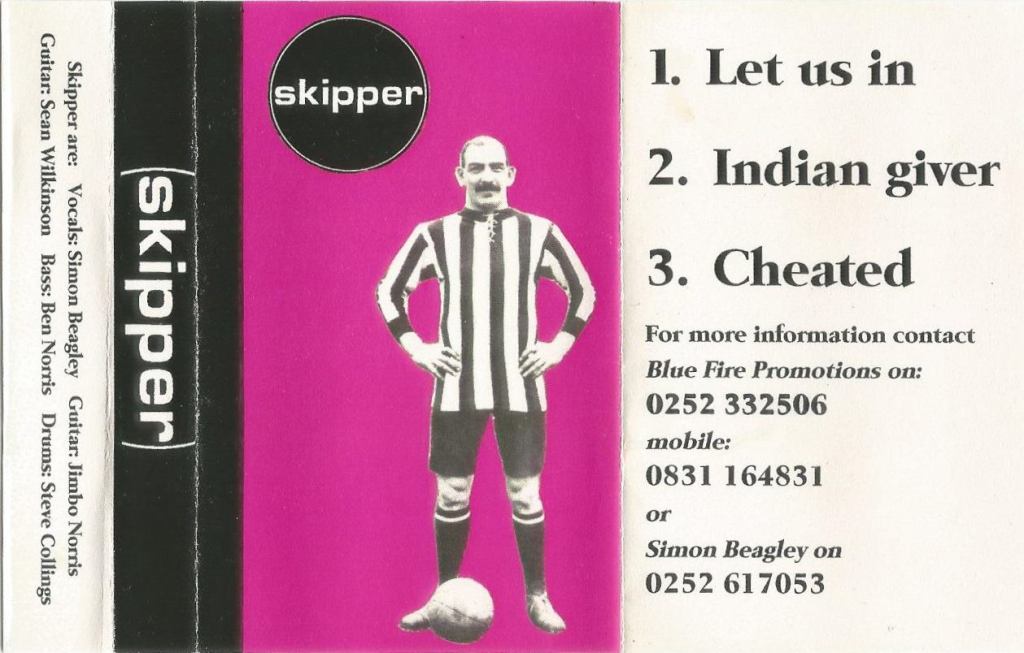
Insert for the “(Skipper)” cassette EP released in ’94 on Bluefire Promotions. Picture courtesy of Sid Stovold This Camberley based band, one of the two to come together after the demise of Pretty Green, the other was The Hairy Things. Skipper released the “(Skipper)” cassette EP in ’94 on Bluefire Promotions. That same year they released the 7″ single “We’ve Got It All” in the UK on Icarus Records [ARUS 003]. The 3 tracks, that included “Heroine” and “Grateful”, were recorded at Monster Studios, Leatherhead and produced by Chris Stevens. This was the same label as Who Moved the Ground? who they gigged with regularly.

9 April 1994: Ticket for The Outcast Band, Who Moved the Ground! and Skipper at the National Rifle Range Pavilion, Bisley. Source: Blag Promotions On 9 April ’94 the two bands, Skipper and Who Moved the Ground?, supported The Outcast Band at the National Rifle Range Pavilion, Bisley. In September ’94, Skipper performed four times: On 3 September at the Cellar Bar, South Hill Park, Bracknell with The Love Family and Big Boy Tomato; on 10 September at an all-day event at The Wheatsheaf, Aldershot with Serious Plankton and Toys in the Attic; on 14 September at the Powerhaus, Islington; and a week later on 21 September at Aitch’s, Godalming with Who Moved the Ground? The following month the band supported The Counterfeit Stones at The Red Lion, Brentford on 7 October; followed by an appearance the next day with Who Moved the Ground at The White Hart, Frimley. Two weeks later, on 22 October ’94, they were back supporting The Counterfeit Stones, this time at The Swan, Fulham. In November the Icarus Records label, to help promote the single, team up with Critical Club for an event at the West End Centre, Aldershot that featured Skipper, Who Moved the Ground?, and Meanwhile.

19 November 1994: Icarus Records promo gig with Skipper, Who Moved the Ground! and Meanwhile. On 3 February ’95, Redefining Beautiful opened the first Splatch! with Meanwhile, The Baby South, and Skipper also on the bill for this event at the Civic Hall, Guildford. The band were back at South Hill Park on 9 March ’95, this time for The Shed with Headcopter. When Ben Norris left Paul Pomeroy picked up bass duties. Shortly after, on 28 June ’95, Skipper were at the Bull and Gate, Kentish Town; and two days, on 30 June ’95, Skipper were supporting Feckle, along with The Perishers, at Blades Bar, Basingstoke. Bluefire Records put “Indian Giver” on “Snakebite City Three” [BLU06] in ’95, while Farnborough Groove picked up “Cheated” for “Farnborough Groove Strikes Back! Vol.5”. On 26 October ’95, the Starfish Club at Dublin Castle, London hosted headliners The Mystics, supported by Skipper and Sludge Nation.
Skipper, along with Dry Riser, opened for Who Moved the Ground? once again on 21 March ’96 at The Warehouse, Fleet. Later in the year, “Indian Giver”, track 2 from the “(Skipper)” EP, also appeared on Spangle Records [SPANG 003] “Club Spangle Number 3″ compilation 7” EP in 1996. That same year “Grateful” was published on “The Best Farnborough Groove in the World – Ever! Vol.6” and Bluefire Records [BLU07] “Snakebite City Four”.
Collings played drums on the B-side of The Vinegar Blossom‘s “Absence of A Choice”, 7″ single, released in Germany in September ’91.
Tracks:
Gallery:
Bluefire Records put Skipper’s “Indian Giver” on “Snakebite City Three” [BLU06] in ’95 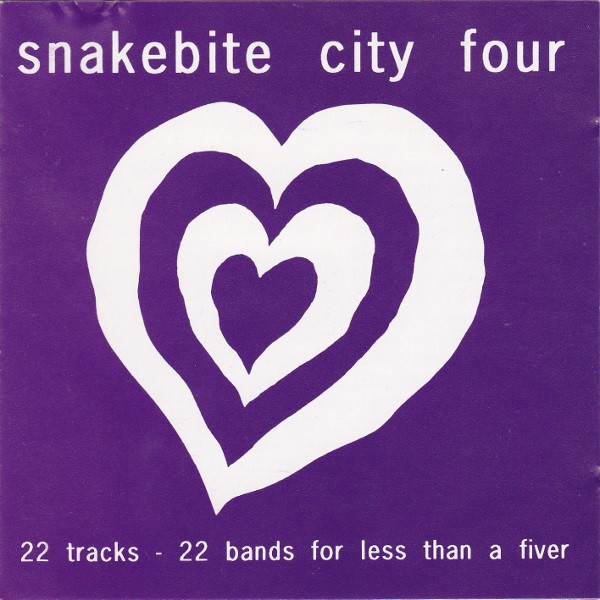
Skipper’s “Grateful” was published Bluefire Records “Snakebite City Four” in 1996. Skipper’s “Cheated” appear on Farnborough Groove Vol.5 in 1995. Picture courtesy of Pete Cole 
Skipper’s “Grateful” appear on Farnborough Groove Vol.7 in 1996. Picture courtesy of Pete Cole 
Skipper get a brief mention in this review of Farnborough Groove Vol.5 in the Staines & Ashford News from 8 Sept 1994.
Image © Trinity Mirror. Image created courtesy of THE BRITISH LIBRARY BOARD
26 October 1995: The Starfish Club, Dublin Castle, London – The Mystics supported by Skipper and Sludge Nation. Source: Wendy McNally via BULL & GATE MEMORIES – remembering all who sailed in her musical tidal wave 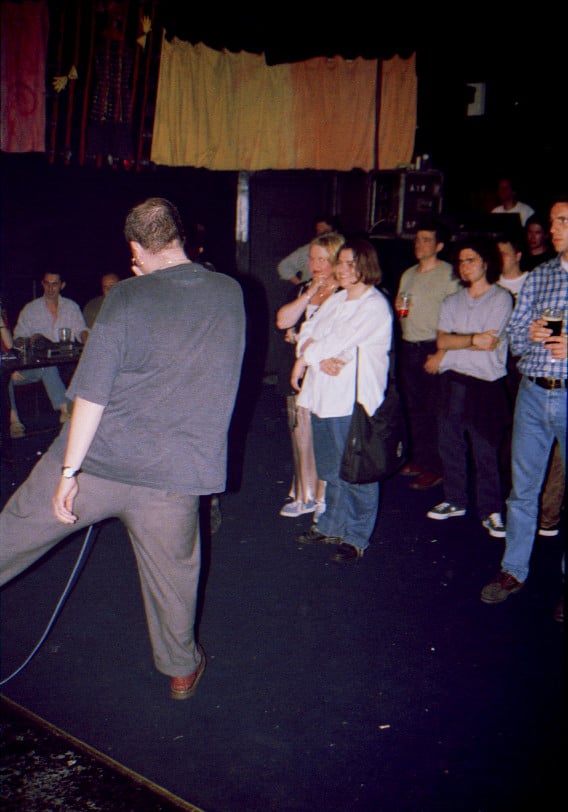
28 June 1995: Skipper at The Bull and Gate, London. Source: Mick Mercer via BULL & GATE MEMORIES – remembering all who sailed in her musical tidal wave 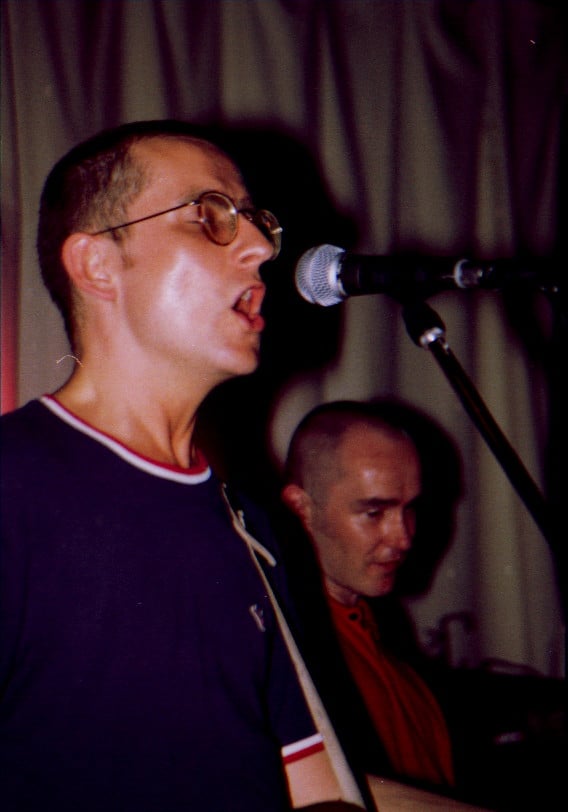
28 June 1995: Skipper at The Bull and Gate, London. Source: Mick Mercer via BULL & GATE MEMORIES – remembering all who sailed in her musical tidal wave 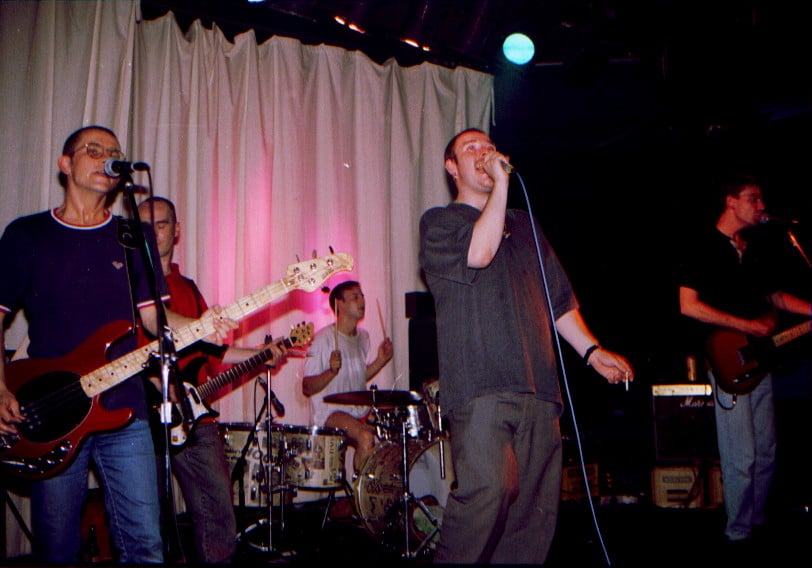
28 June 1995: Skipper at The Bull and Gate, London. Source: Mick Mercer via BULL & GATE MEMORIES – remembering all who sailed in her musical tidal wave 
28 June 1995: Skipper at The Bull and Gate, London. Source: Mick Mercer via BULL & GATE MEMORIES – remembering all who sailed in her musical tidal wave 
Back of sleeve cover for 1994’s Skipper 7″ single “We’ve Got It All” in the UK on Icarus Records [ARUS 003]. On the B-side were “Heroine” and “Grateful”. 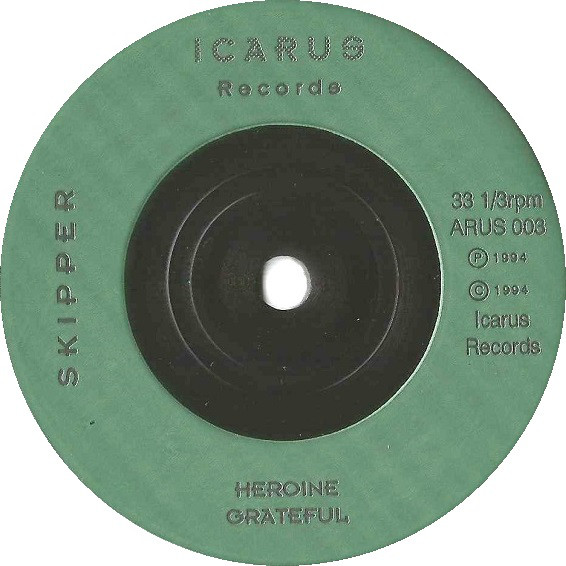
Side B for 1994’s Skipper 7″ single “We’ve Got It All” in the UK on Icarus Records [ARUS 003]. On the B-side were “Heroine” and “Grateful”. 
Side A for 1994’s Skipper 7″ single “We’ve Got It All” in the UK on Icarus Records [ARUS 003]. On the B-side were “Heroine” and “Grateful”. 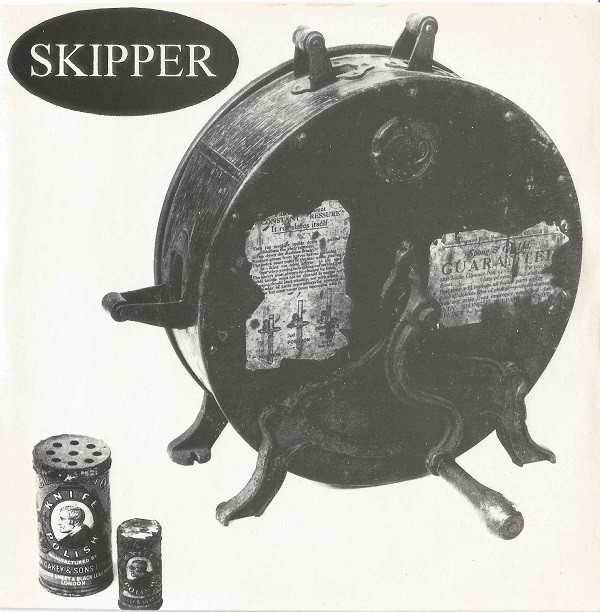
Front sleeve cover for 1994’s Skipper 7″ single “We’ve Got It All” in the UK on Icarus Records [ARUS 003]. On the B-side were “Heroine” and “Grateful”. 
Cassette for the “(Skipper)” cassette EP released in ’94 on Bluefire Promotions. Picture courtesy of Sid Stovold 
September / October 1994 Gigs for Skipper with Love Family, Big Boy Tomato, Serious Plankton, Toys In The Attic, Who Moved The Ground! and The Counterfeit Stones 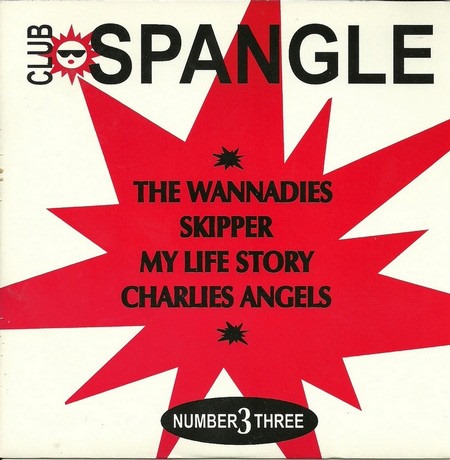
Skipper’s “Indian Giver” appeared on Spangle Records [SPANG 003] “Club Spangle Number 3 Three” compilation 7″ EP in 1996. 
Review of Skipper and Headcopter gig at The Shed, South Hill Park on 9th March 1995 from Home and away fanzine by Bruno. 
30 June 1995: Advert from Donut Vol.2 (June 1995) has Skipper supporting Feckle, along with The Perishers, at Blades Bar, Basingstoke. Source: www.razrazzle.wordpress.com 
3rd February 1995: Skipper were on the bill of the firzt Splatch!. Source: The Surrey & NE Hampshire Music Scene Aitch’s, Aldershot, Basingstoke, Ben Norris, Big Boy Tomato, Bisley, Bisley Pavilion, Blades Bar, Bluefire Promotions, Bluefire Records, Bracknell, Brentford, Bull & Gate, Camberley, Cellar Bar, Chris Stevens, Civic hall, Critical Club, Dublin Castle, Farnborough Groove, Feckle, Fleet, Frimley, Fulham, Germany, Godalming, Guildford, Headcopter, Icarus Records, Islington, Jim Norris, Kentish Town, Leatherhead, London, Meanwhile, Monster Studios, National Rifle Range Pavilion, Paul Pomeroy, Pavilion, Pretty Green, Redefining Beautiful, Sean Wilkinson, Serious Plankton, Simon Beagley, Skipper, Sludge Nation, Snakebite City, South Hill Park, Spangle Records, Splatch, Starfish Club, Steve Collings, The Baby South, The Counterfeit Stones, The Hairy Things, The Love Family, The Mystics, The Outcast Band, The Perishers, The Powerhaus, The Red Lion, The Shed, The Swan, The Vinegar Blossom, The Warehouse, The Wheatsheaf, The White Hart, Toys in the Attic, West End Centre, Who Moved the Ground? -
Slack Bladder

(c’87-’88) Martin Crook (bass / vocals), Andy ‘Bolus’ Bullock (?), and Neale Brodie (?).
Experimental Slack Bladder became part of the Frimley band co-op known as The Grain. Along with fellow members: Magic Moments at Twilight Time, The Charles, Momento Mori, The Visionairies, and Greed they put on a free festival at Highland Farm, Frimley Green, on 20 September ’87, in aid of Greenpeace.

Insert sleeve for Slack Bladder’s “Safe Experiments with Bacteria” cassette LP. Picture courtesy of Mick Magic Next Slack Bladder appeared with Magic Moments at Twilight Time at Frimley Community Centre, on 12 December ’87, for a Xmas bash gig that went by the ‘A Taste of Paranoia” moniker. A live recording of the bands “Suicide Man” was included on the Grain-Aid compilation in early ’88. They also released the “Safe Experiments with Bacteria” cassette LP that year.
Crook is now in Aldershot band Princess, while Bullock goes by the performing name Andy Bolus and is still performing as the solo artist Evil Moisture.
Tracks:Gallery:
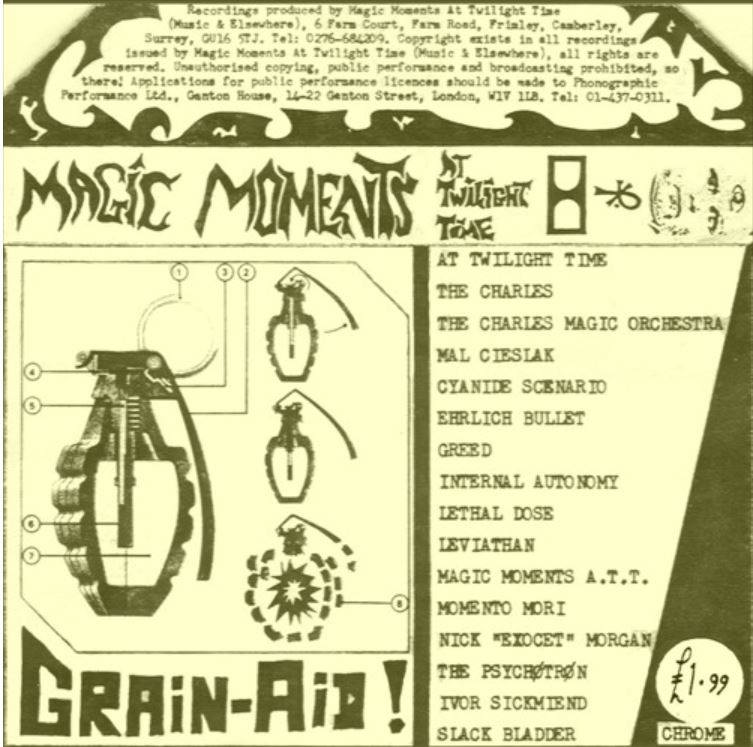
The Grain-Aid compilation, released in 1987, included Slack Bladder. 
Slack Badder. Picture courtesy of Mick Magic 
12 December 1987: Poster / Flyer for gig at Frimley Community Centre. Picture courtesy of Mick Magic -
Clone

(c’82-’83) Pat Sullivan (bass) John Smith (vocals), ? “Zura” ? (drums), Paul Denison (guitar).
Smith and Sullivan had previously been in Exit, Denison came from Deadlock. Clone played 5’s Wine Bar, Aldershot a few times, once headlining a gig on 31 May ’83 with Black Easter and Maxi Puch and the Macho Moped Men.

31 May 1983 You never called “Zura”, who was a huge Hawkwind fan, Russian; he was Georgian and is now living in Georgia. Denison went on to Frayed Edge.
Gallery:

Clone at 5’s Wine Bar, Aldershot. Picture Courtesy of Paul Denison 
Clone at 5’s Wine Bar, Aldershot. Picture Courtesy of Paul Denison 
Clone at 5’s Wine Bar, Aldershot. Picture Courtesy of Paul Denison 
Clone at 5’s Wine Bar, Aldershot. Picture Courtesy of Paul Denison 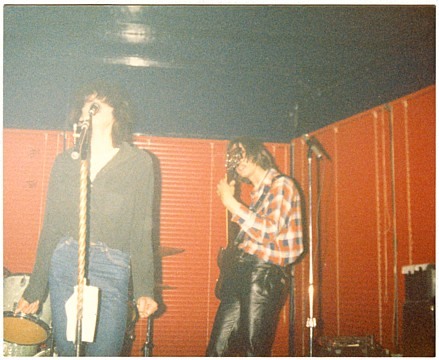
Clone at 5’s Wine Bar, Aldershot. Picture Courtesy of Paul Denison 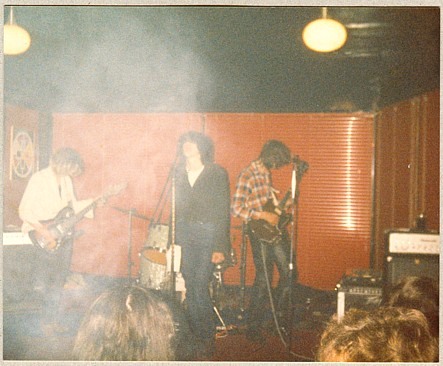
Clone at 5’s Wine Bar, Aldershot. Picture Courtesy of Paul Denison -
Gerfump!

(c’95-’97) The Gerfump! fanzine was created by Caroline Stedman, who was aged 14 at the time, as a means to blagging her way into gigs. The name was a reference to Kerrang, although Stedman thought she might end up writing for NME one day. Ably assisted by Sadie Smith and Michelle Cresdee, it was compiled and printed on Stedman’s father’s home-computer and printer.
In ’97, the crew from this NE Hampshire ‘zine attended a fanzine convention in Oxford. Cresdee interviewed alternative rock band A about their new album ‘How Ace Are Buildings’, and they could often be caught backstage at the Civic Hall, Guildford. At one point they met Steve Lamaq and he bought a copy of the ‘free’ Gerfump!
Gerfump! ran to at least 6 issues:
Issue #1: Carried a review of Who Moved the Ground?‘s ‘Good Question’ EP
Issue #2: ?
Issue #3 (April ’96): Reviewed Snakebite City Vol.4; Club Stout at The Angel, Godalming was the ‘Club of the Month’; reviewed the J.C. Regulator, Headnoise, and Sandwich Box gig at the West End Centre, Aldershot; ran a piece on Redwood being, back in the studio; made Who Moved theGround? ‘Band of the Month’; and listed ’96’s festivals of note.
Issue #4: ?
Issue #5: ?
Issue #6: Carried a review of Who Moved the Ground?’s ‘If Pleasure Was Illegal’ EP
Stedman is now a Mumbai based composer, sound artist, live sound engineer, digital artist and writer under the Miss.Kotton monica; with a special interest in psychoacoustics, soundscapes, AI & hardcore rave.
Gallery:
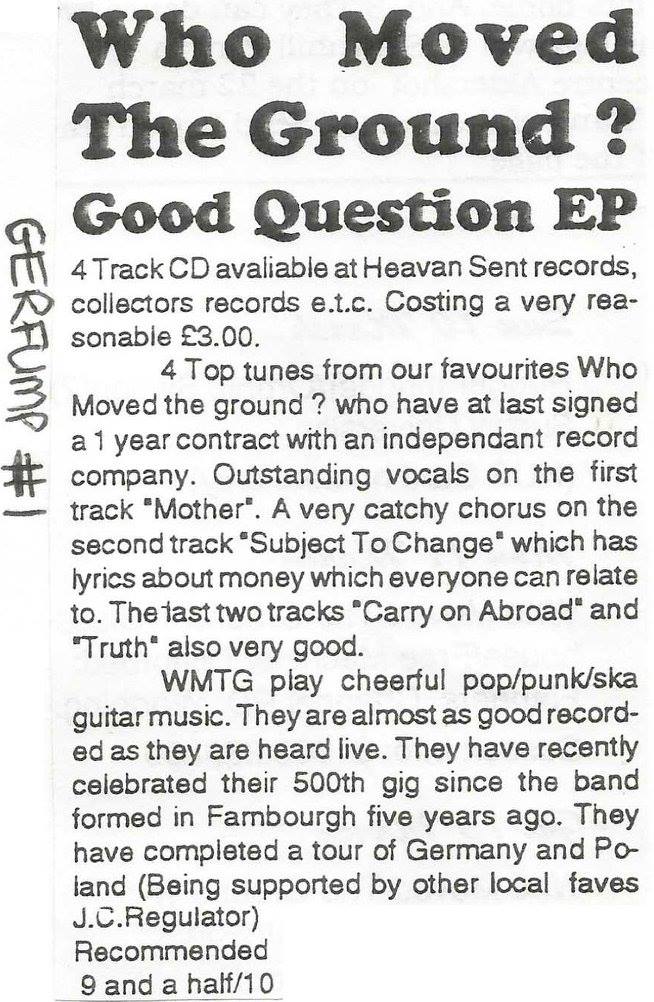
Review of Who Moved the Ground?’s Good Question EP from Gerfump #1. Source: Who Moved the Ground? 
Part of issue #3 from 1996. Picture courtesy of The Surrey & NE Hampshire Music Scene 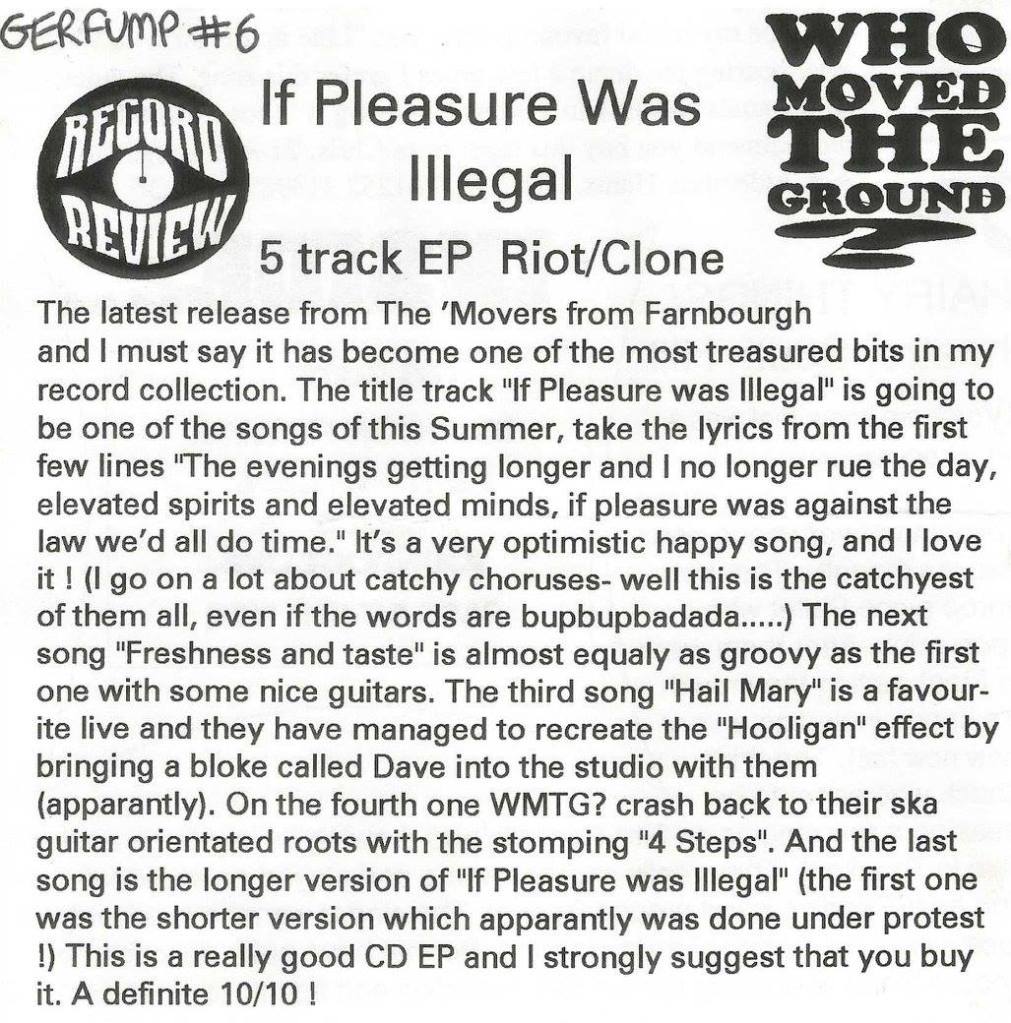
Review of Who Moved the Ground?’s If Pleasure Was Illegal EP from Gerfump #6. Source: Who Moved the Ground? -
Parasites
(c’80) Steve ‘Sid’ Dean (bass), Sean Brennan (guitar) and Allan Howland (drums).
Formed in February ’80 they played Jam / Clash covers along with some original songs. Organized their own gigs at venues like Lightwater Pavilion.
Gallery:
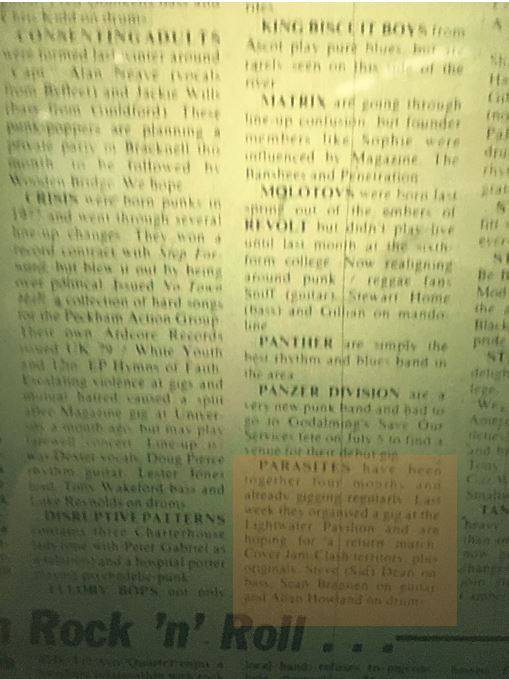
Rough image of 12 June 1980 Soundscene column article mentioning Parasites. -
Internal Autonomy

(c’86-’93) Alex Cable (drums), Nikki Crow (vocals), and Si (guitar).
Internal Autonomy were a Punk/Goth band from Frimley, heavily influenced by Black Easter, with the guitarist Al from Cyanide Scenario originally forming the band with others. In ’87 they released their first demo “Song and Speech”, followed the next year by 50 copies of the self-released C90 cassette LP “The Cause of Liberty” [ALT4]. There were 13 tracks on the A-side; nothing was listed for the B-side, but it carried folk music and poetry.
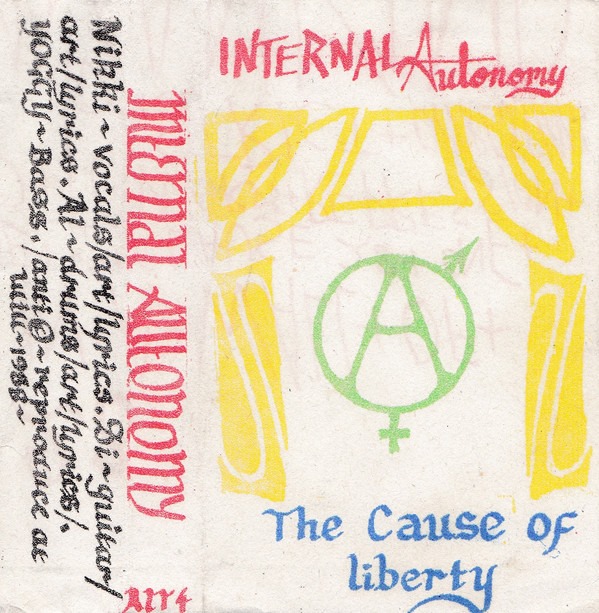
“The Cause Of Liberty” cassette cover from 1988 In ’89 there were two releases: “Capitalism on Sulphate” and the “4th Demo”. Early in ’90 came the “Tired of Sleeping” EP. This, along with the earlier releases led to interest from German label Recordrom Records who released “Inquiry” in ’90 and the 7″ single “Love” [VOL 008] in ’91. That same year an LP release on WoW Records titled “Hear in Our Hearts”, with title track written by Andy Martin (lyrics) and Music & Elsewhere‘s Mick Magic (music), was planned but never made it to fruition.
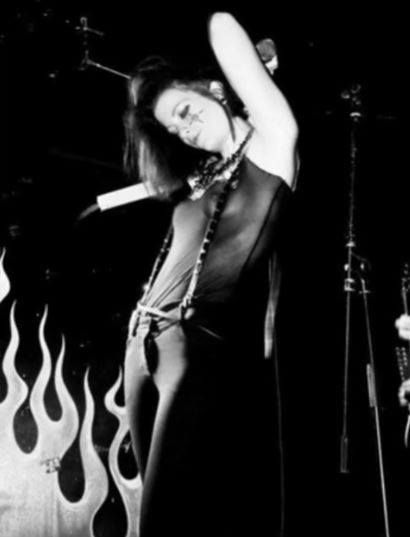
Nikki Crow in ’91-ish In ’92 the band were included on a number of compilations, including “Agony of A Contaminated Society” and “Mind Pollution”. The following year they changed their name to Automomex, but only after releasing the double EP “Only You Have the Power” on the Profane Existence Records, the label for Dan Siskind’s DIY punk collective tat released anarcho-punk from bands throughout the world. 2010 saw the release on “Discography” on Front Cover Productions [CFD002], a 2 CD compilation of Internal Autonomy’s work.
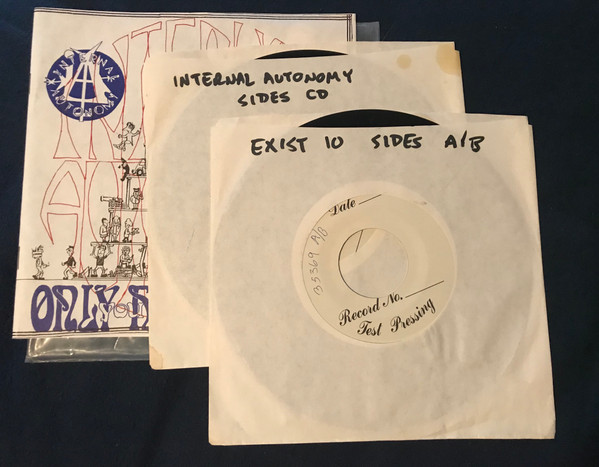
1993’s ‘Only You Have the Power’ 2xEP test pressing From around 2013 some original members continued as Ferox / Feroxide, out of Neath, South Wales; where Cable ran Raven Studios – which was moved from Camberley, where it was used by The Perfect Circles – until around 2018.
Tracks:
Gallery:
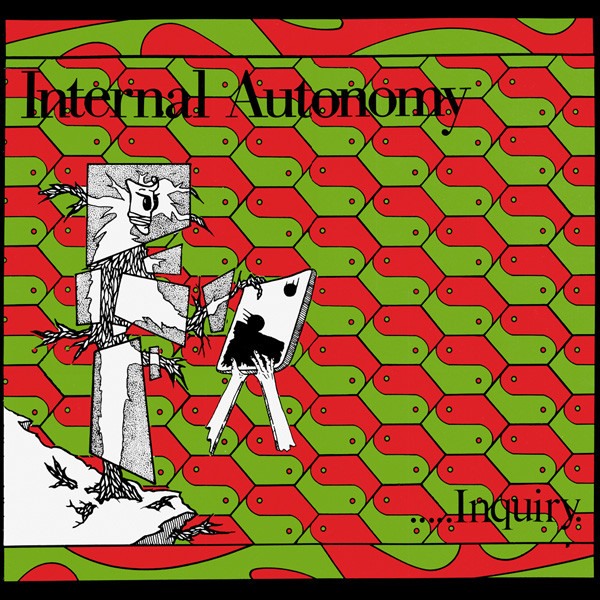
Internal Autonomy’s “Inquiry” CD front cover (1990) 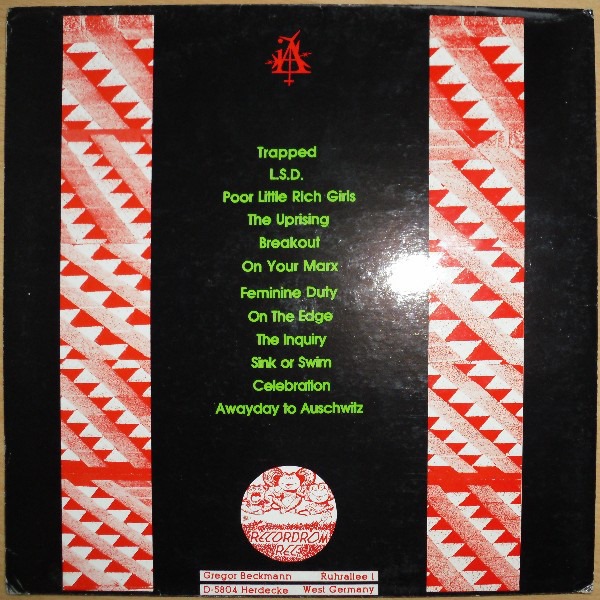
Internal Autonomy’s “Inquiry” CD back cover (1990) 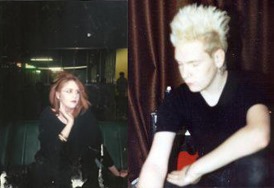
Vocalist Nikki Crow and drummer Alex Cable. Picture courtesy of Mick Magic 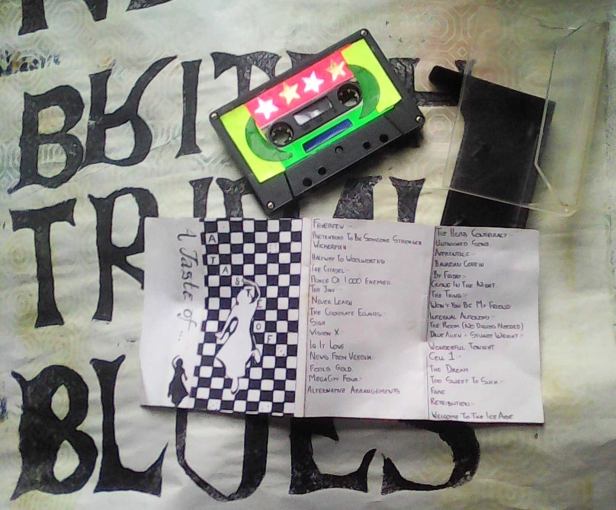
Internal Autonomy’s “The Room (No Drugs Needed)” appears on this c’87 “A Taste of…” compilation cassette. Picture courtesy of Robert Horrocks 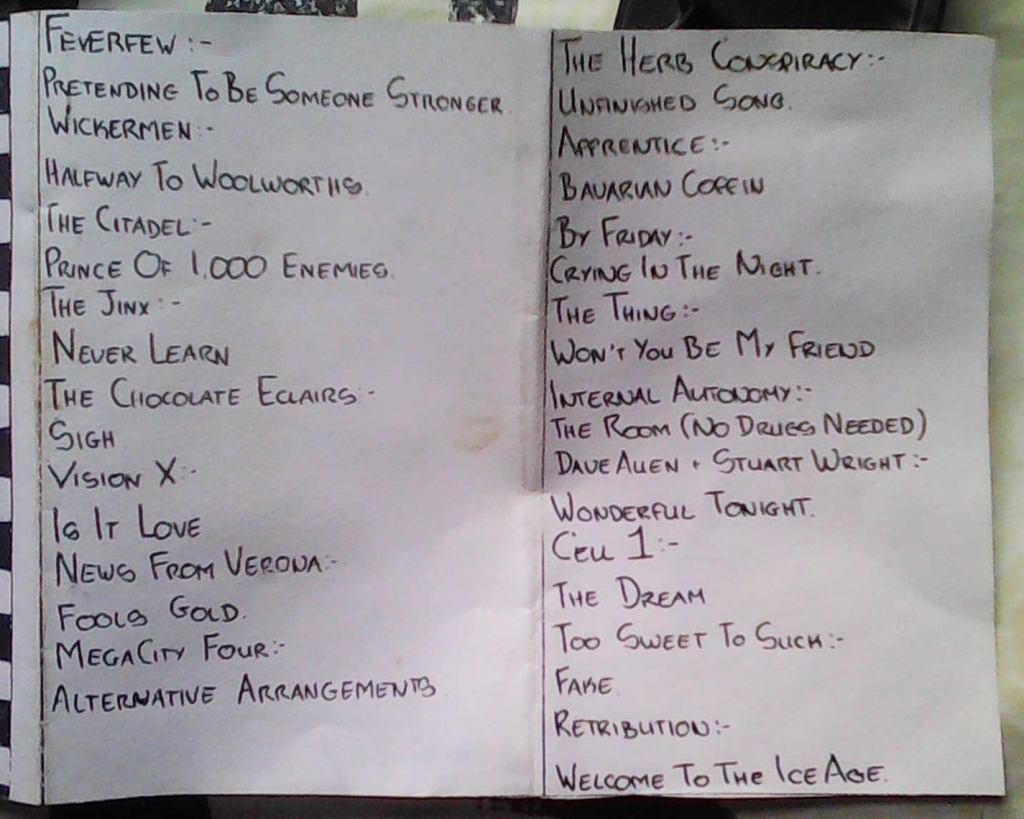
Internal Autonomy’s “The Room (No Drugs Needed)” appears on this c’87 “A Taste of…” compilation cassette. Picture courtesy of Robert Horrocks 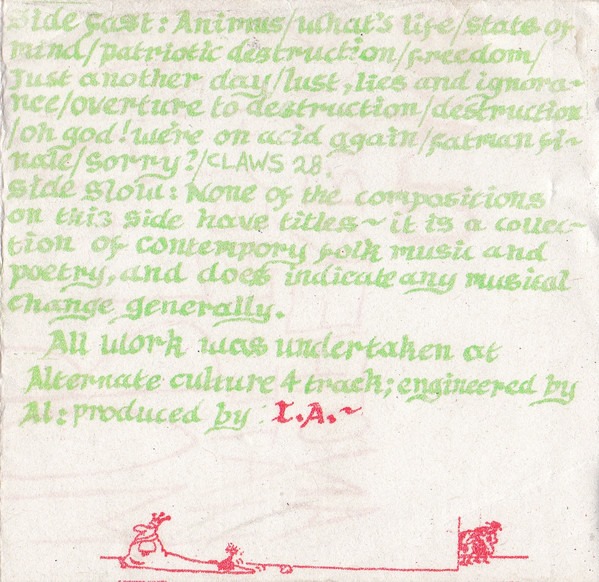
Internal Autonomy’s “The Cause Of Liberty” cassette sleeve inner from 1988 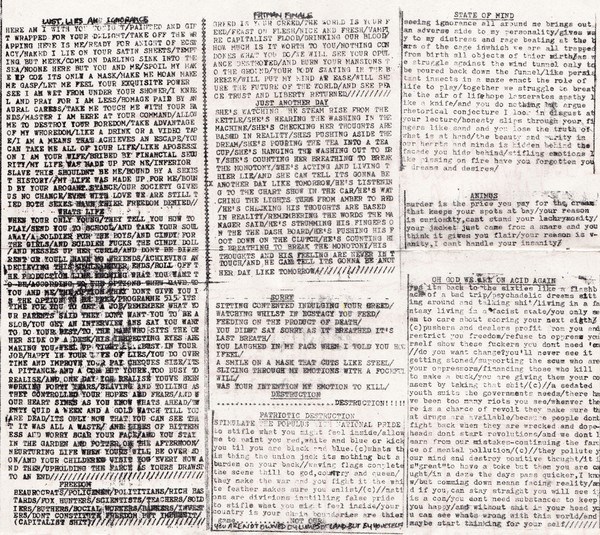
Internal Autonomy’s “The Cause Of Liberty” lyric insert from “The Cause Of Liberty” cassette (1988) 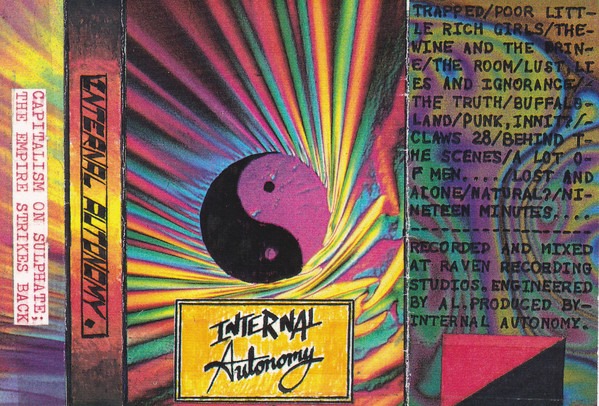
Internal Autonomy’s “Capitalism On Sulphate” cassette sleeve from ’89 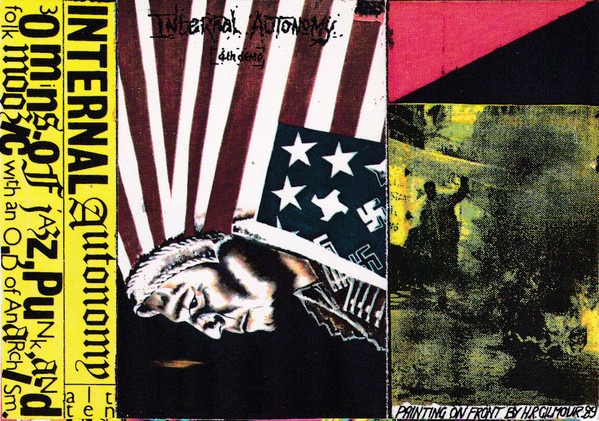
Internal Autonomy’s “4th Demo” cassette sleeve from 1989 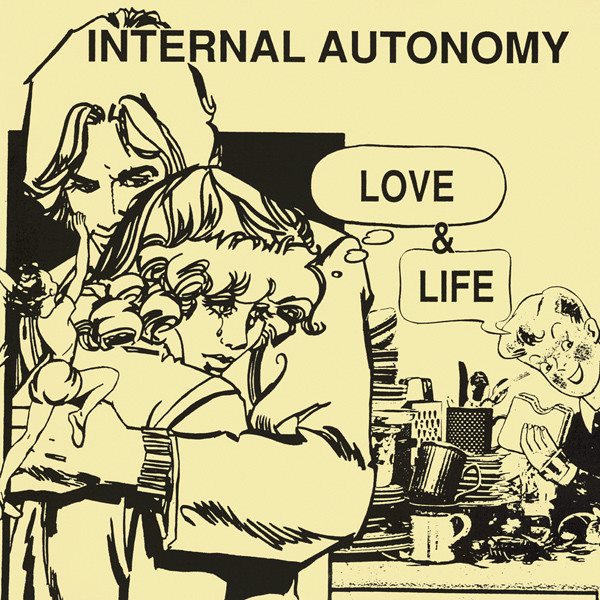
Internal Autonomy’s “Love” &” single, released in ’91 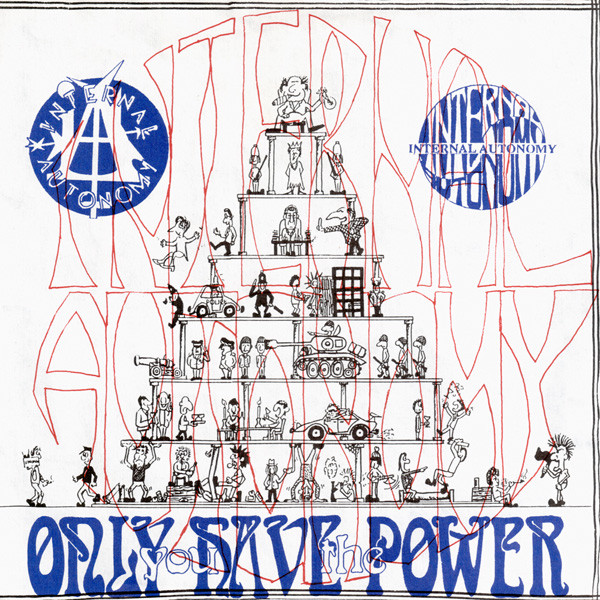
1993’s ‘Only You Have the Power’ 2xEP Cover 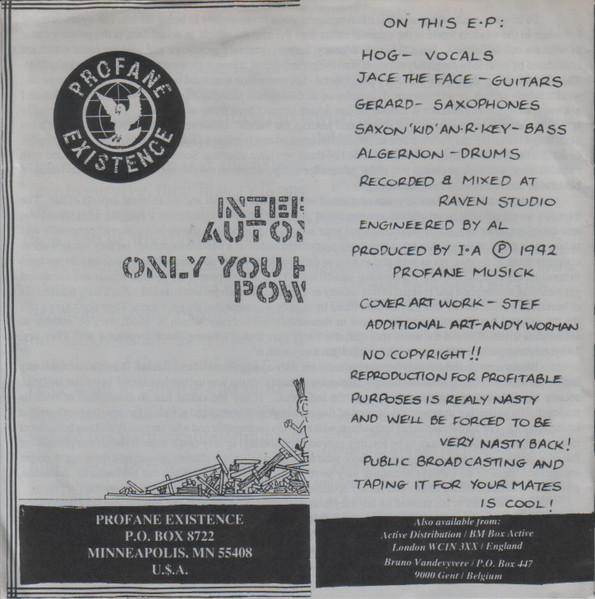
1993’s ‘Only You Have the Power’ 2xEP sleeve back with credits 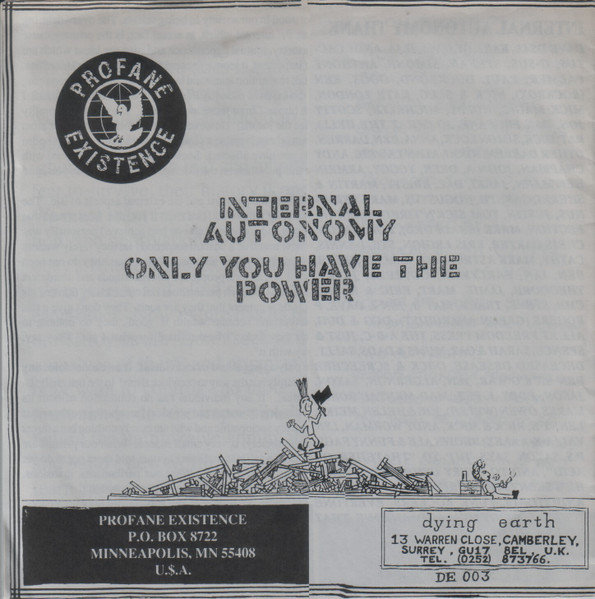
1993’s ‘Only You Have the Power’ 2xEP sleeve back 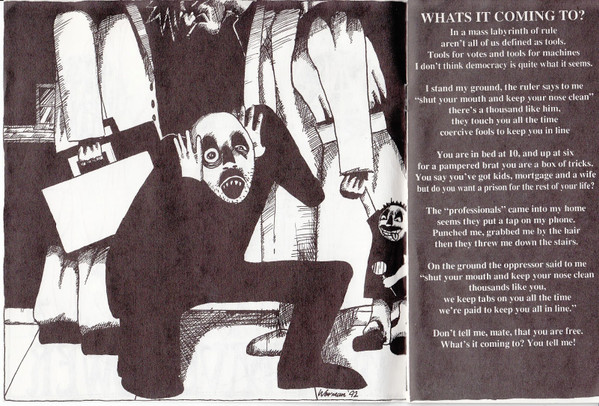
1993’s ‘Only You Have the Power’ 2xEP Inner booklet 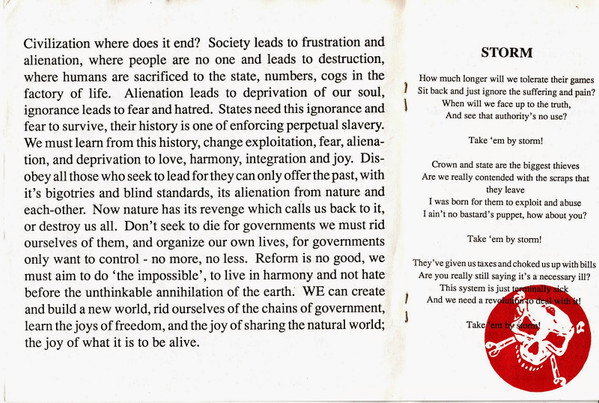
1993’s ‘Only You Have the Power’ 2xEP Inner booklet 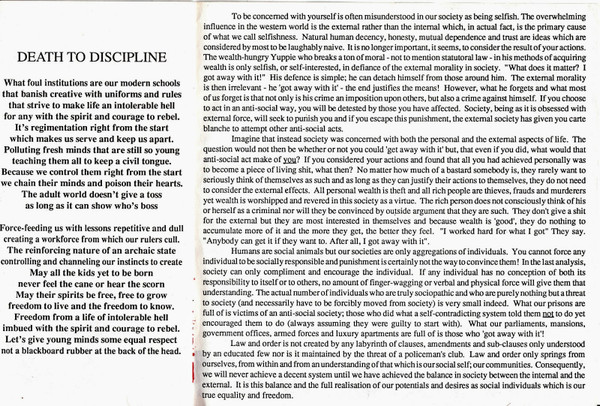
1993’s ‘Only You Have the Power’ 2xEP Inner booklet 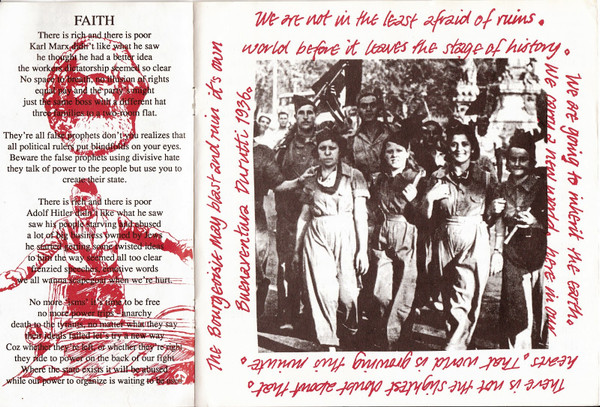
1993’s ‘Only You Have the Power’ 2xEP Inner booklet 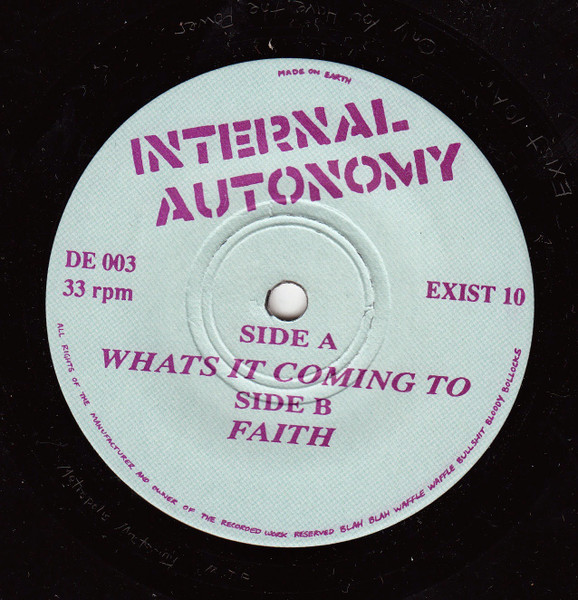
1993’s ‘Only You Have the Power’ 2xEP Disc 1, Side-A 
1993’s ‘Only You Have the Power’ 2xEP Disc 1, Side-B 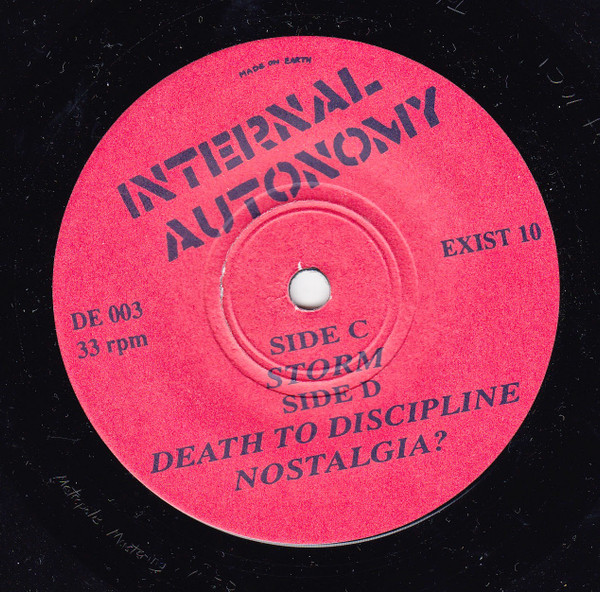
1993’s ‘Only You Have the Power’ 2xEP Disc 2, Side-C 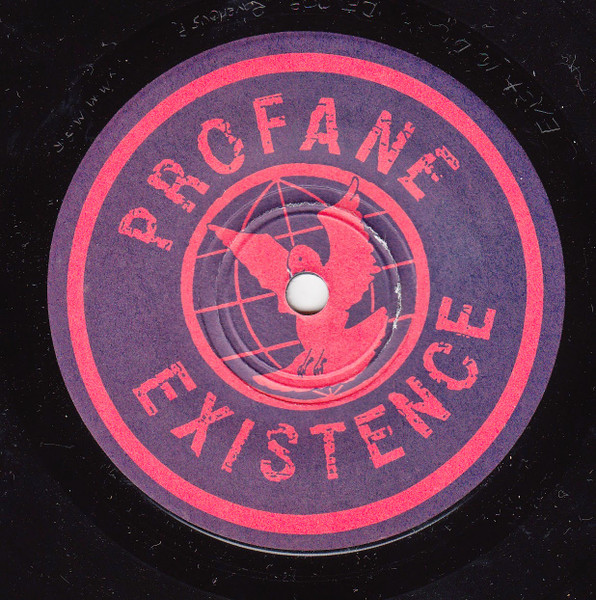
1993’s ‘Only You Have the Power’ 2xEP Disc 2, Side-D 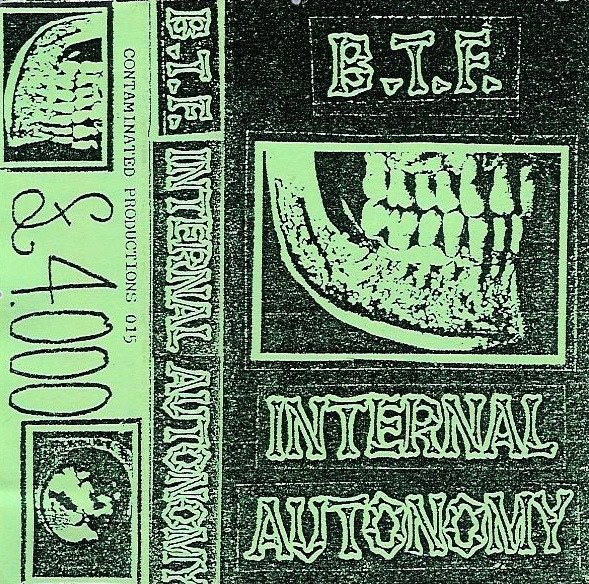
Internal Autonomy / BTF shared cassette sleeve from ’94 Alex Cable, Andy Martin, Automomex, Black Easter, Camberley, Dan Siskind, Ferox, Feroxide, Frimley, Front Cover Productions, Internal Autonomy, Mick Magic, Music & Elsewhere, Neath, Nikki Crow, Profane Existence, Profane Existence Records, Raven Studios, Recordrom Records, Si, South Wales, The Perfect Circles, WoW Records
 Our Soundscene
Human beings takes me back to 1981. Followed them all over the Surrey reading area for a year a great band and 3 good guys playing well written songs of the era. I wish john Tim and steve well what ever they are doing now. Should reform for a few shows just like Oasis but do the wooden bridge.
LikeLiked by 1 person