
-
Flavour

(c’92-’93) Jason ? (?) and ?
Flavour were a band from Fleet who dished out stickers that read “No Flavour, No Taste”.
A local band night at The Buzz Club saw Flavour take to the stage with Slug, Phobia, The Rachel Papers and The Vinegar Blossom on 4 January ’92. The next month Slug would support Flavour at The George, Ash Vale.
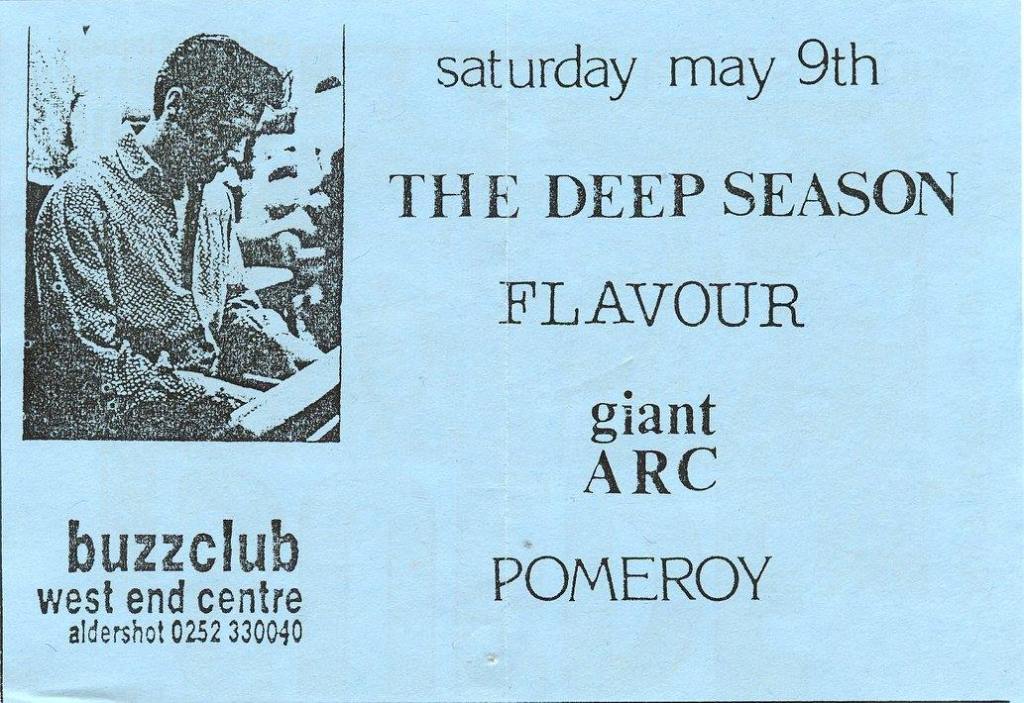
9 May ’92: The Deep Season were supported by Giant Arc, Flavour and Pomeroy The Buzz Club had The Deep Season headlining on 9 May ’92 for another local band night at the West End Centre, Aldershot, supported by Flavour, Giant Arc, and Pomeroy. Flavour also played The Old Trout, Windsor on 10 September that year according to a gig list in an as yet unidentified fanzine. This was the night That Petrol Emotion played The Old Trout, so we’re guessing Flavour were the unnamed support.
Rolling into ’93 the band supported Swineherd at The Vertigo Club, held at The Falcon, Camden on 8 January. Later that month The Buzz Club had Poise and Flavour supporting Cornershop on 30 January ’93.
Gallery:

15 February ’92: Slug support Flavour 

10 September 1992: Flavour played The Old Trout, Winsor. Picture courtesy of Steve Porter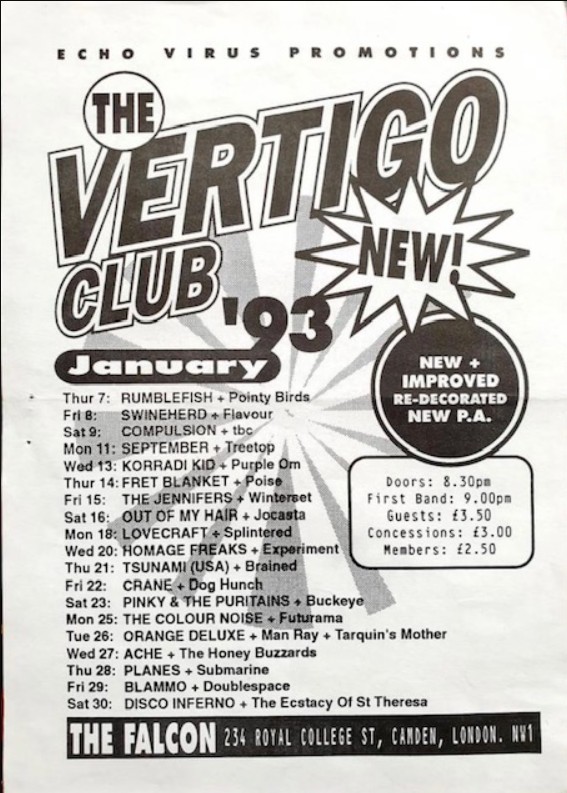
8 January 1993: Flavour supported Swineherd at The Falcon, Camden. Source: Indie Through the Looking Glass 
30 January 1993: Cornershop, Poise and Flavour were the Buzz Club, West End Centre, Aldershot. -
Bick Ford

(c’63) Robert Bickford (vocal / guitar)
Ford lived in Woking with his wife and child, when as a Daily Mail reporter, he put himself up for ‘grooming’ by Robert Stigwood to become a pop star under the stage name Bick Ford. The Daily Mail covered each step of his progress. This culminated in the release on 11 April ’63 of the, Charles Blackwell penned, 7″ single “Cheat, Cheat” on Parlophone [R.5018].
The record was launched at the Dorchester Hotel, London with 10,000 copies pressed and Bick Ford, backed by The Hi-Fi’s, went on an All-Stars Package Tour with the likes of Mike Sarne, John Leyton, Mike Berry, Don Spencer, The Innocents, Jet Harris & Tony Meehan, Billy Doyle, Duffy Power, Grazina, The X-L Five, and Billie Davis to promote his single across the end April and through May ’63.
The tour was the typical relentless trek up and down the country, performing two shows a day per-venue. It started at the Essoldo, Brighton on 28 April ’63. Over the next two day they hit Ipswich and Rochester’s Gaumont, followed by the Odeon, Southend on 1 May ’63.

1 May 1963. Source: bradfordtimeline.co.uk It continued, non-stop for another 17 days: Essoldo, Tunbridge Wells (2 May), Odeon, Romford (3), Guild Hall, Portsmouth (4), Gaumont, Watford (5), Odeon, Cheltenham (6), Capital, Cardiff (7), Gaumont, Wolverhampton (8), Regal, Wakefield (9), Odeon, Manchester (10) Opera House, Blackpool (11), Empire, Liverpool (12), Gaumont, Bradford (13)…
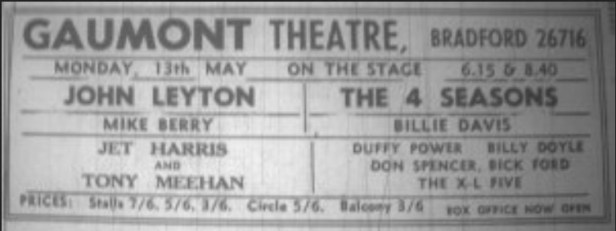
13 May 1963. Source: bradfordtimeline.co.uk …Gaumont, Derby (14), Granada, Greenford (15), Theatre Royal, Norwich (16), Granada, Edmonton (17), and Winter Gardens, Bournemouth (18).
Ultimately, the track never succeeded in the charts and Bick Ford reportedly returned to reporting. “Cheat, Cheat” was covered by Johnny Cymbal and released in the US in ’64.
Tracks:Gallery:

Bick Ford clipping from Pop Weekly, 27 April ’63 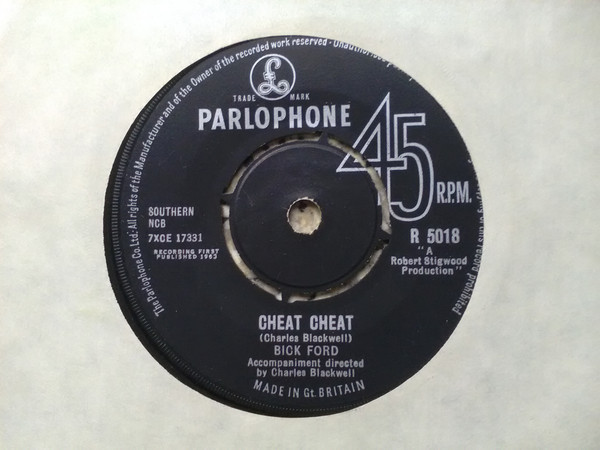
Bick Ford’s 7″ single 
Bick Ford clipping from who knows where? 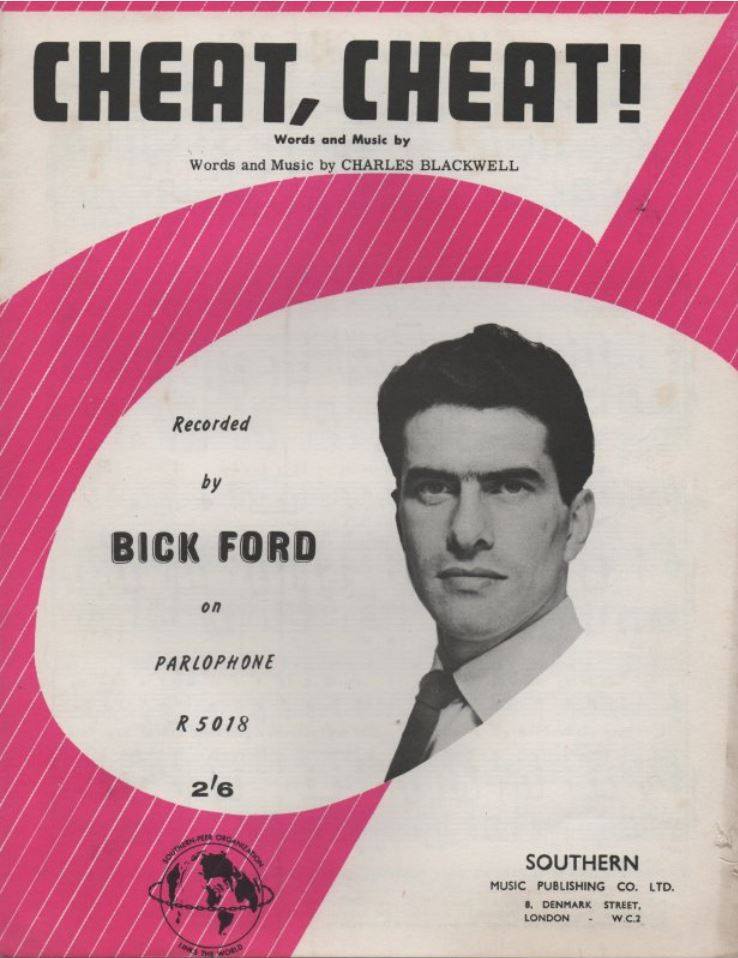
Bick Ford’s “Cheat, Cheat” sheet music 
April/May 63: Front cover of the All-Stars Package Tour souvenir program. Source: www.bradfordtimeline.co.uk 
April/May 63: EMI Records advert from page 6 of All-Stars Package Tour souvenir program. Source: www.bradfordtimeline.co.uk 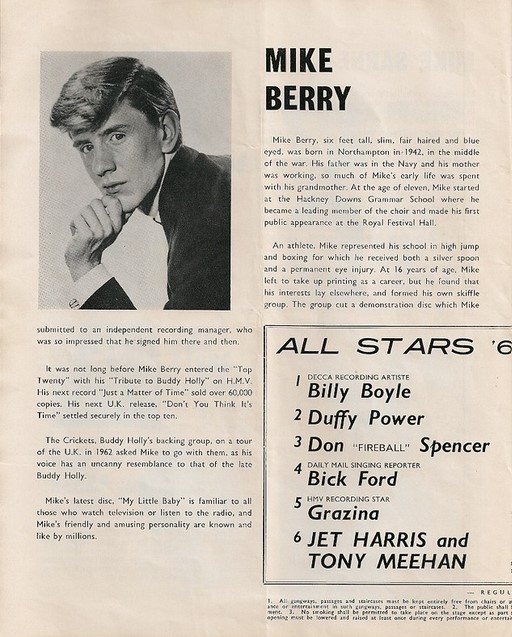
April/May 63: Bick Ford is listed on page 8 of All-Stars Package Tour souvenir program. Source: www.bradfordtimeline.co.uk 
 Bick Ford, Bick Ford & The Hi-Fi’s, Billie Davis, Billy Doyle, Blackpool, Bournemouth, Bradford, Brighton, Capital, Cardiff, Charles Blackwell, Cheltenham, Daily Mail, Derby, Don Spencer, Dorchester Hotel, Duffy Power, Edmonton, Empire, Essoldo, Gaumont, Granada, Grazina, Greenford, Guild Hall, Ipswich, Jet Harris & Tony Meehan, John Leyton, Johnny Cymbal, Liverpool, London, Manchester, Mike Berry, Mike Sarne, Norwich, Odeon, Opera House, Parlephone, Portsmouth, Regal, Robert Stigwood, Rochester, Romford, Southend, The Innocents, The X-L Five, Theatre Royal, Tunbridge Wells, Wakefield, Watford, Winter Gardens, Woking, Wolverhampton
 -
Hung Inverted
(c’91) Mick Hamilton (?) and ?.
On 5 February ’91, Hung Inverted appeared at The George, Ash Vale and two months later, on 18 April, at The Cricketers, Westfield. Later in ’91 the band competed in The Buzz Club‘s Midsummer Madness. Four heats were held on the 12 to 15 June ’91, at the West End Centre, Aldershot to qualify for the final on 22 June. Hung Inverted, Big Wednesday, My Blue Heaven, Not Just a Pretty Face, and Something Religious competed in the first heat on 12 June.
Hamilton was last seen performing with Guildford function band The Steamers in 2014.
Gallery:

12 June 1991: Flyer for the first night of the Buzz Club’s Midsummer Madness local band competition 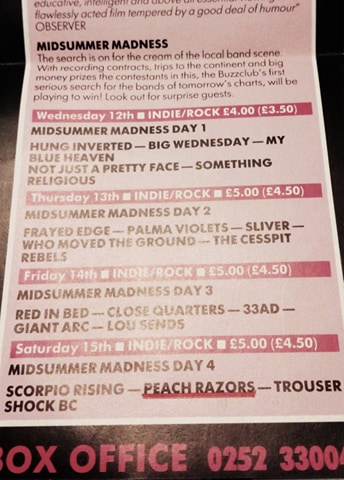
12 June 1991: West End Centre info sheet convering the first rounds of the Buzz Club’s MidSummer Madness local band competition. Picture courtesy of Steve Porter -
Savage Opera

(c’85-’88) Simon George (vocals) Kirk Kelly (?), Dean Lewis (?), and Karl Moult (bass).
Out of the ashes of Gitche Manitou, Savage Opera were formed. They played a few London and Surrey gigs, but didn’t release anything.
On 14 September ’88, Savage Opera headline at The Sir George Robey, London with The Passengers and Ten Dead Men in support. The band were back at the venue Christmas Eve, on 24 December ’88, again for the Paul Ronan Revue Bar night, supporting headliners Mega City Four along with Snuff, Shout, Thrilled Skinny, The Guttersnipes, and Jellyfish Kiss.
Ex-Screaming Lullabies, Vale of Eden, and Sang Froid vocalist George passed away on Christmas Day 2019 after a very dignified battle with cancer. Regrettably, Kelly has also left this realm. We have lost track of Lewis and Acton born Moult.
Gallery:

Savage Opera band pic. L-R Simon George, Carl, Kirk Kelly, and Dean Lewis. Picture courtesy of Inga Leru-Kelly 
Savage Opera band pic, L-R Simon George, Kirk Kelly, Dean Lewis, and Carl. Picture courtesy of Inga Leru-Kelly 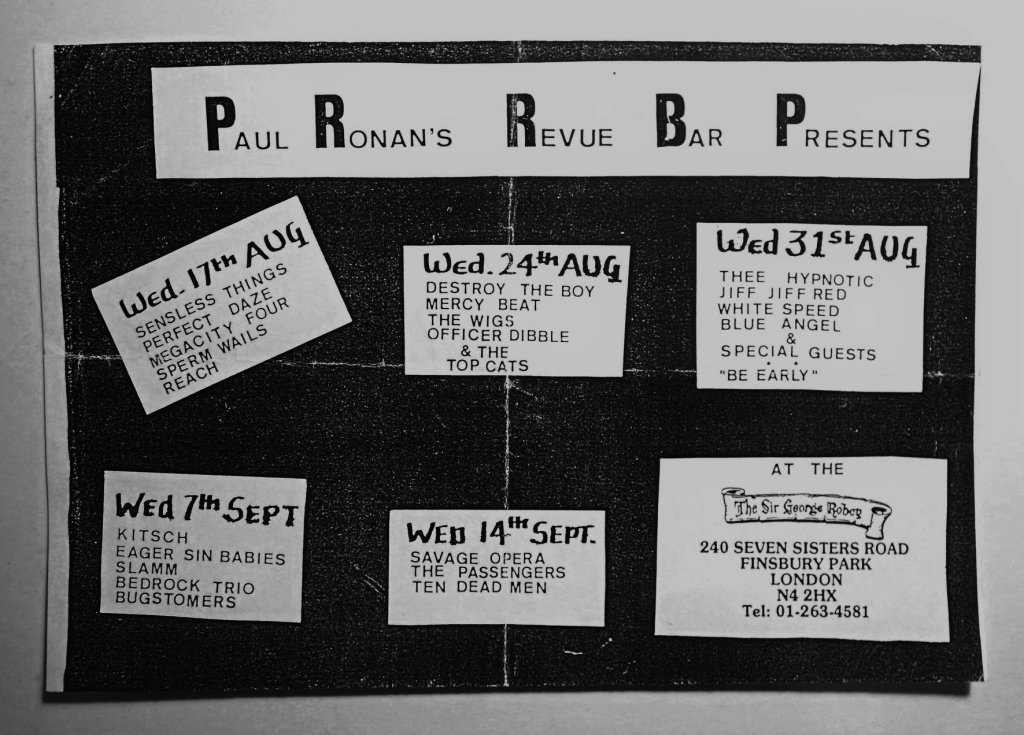
14 September 1988: Savage Opera headline at The Sir George Robey, with The Passengers and Ten Dead Men in support. Source: Tom A Deakin via Mega City Four 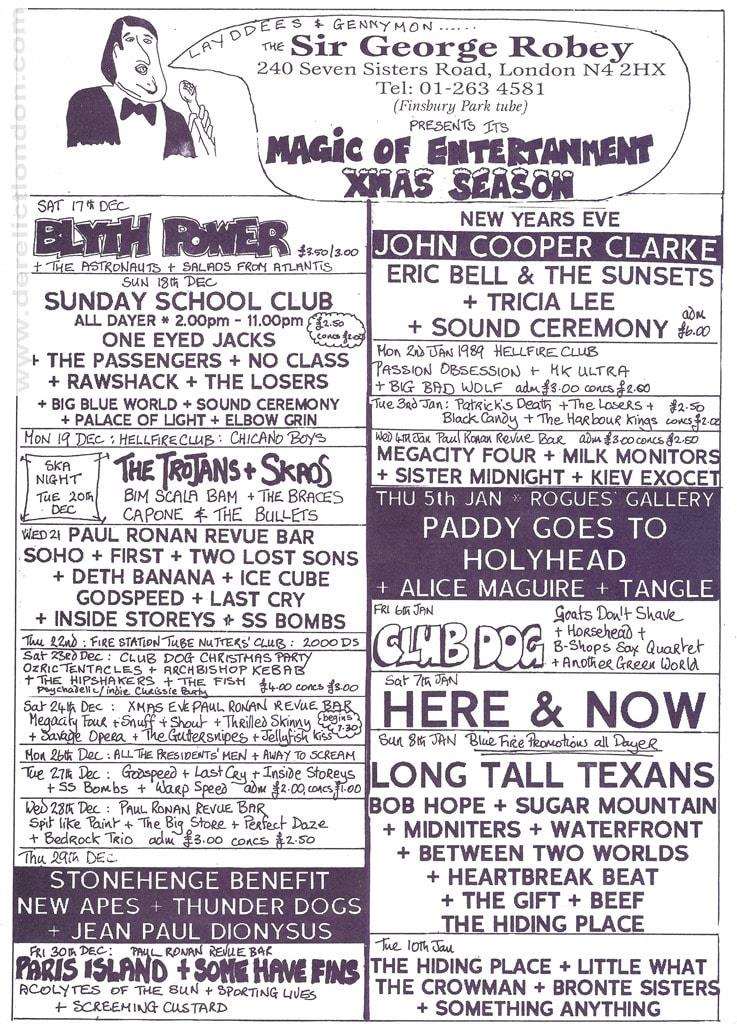
24 December 1988: Savage Opera supported headliners Mega City Four at the Sir George Robey, London for a Paul Ronan Revue Bar Christmas Eve event along with Snuff, Shout, Thrilled Skinny, The Guttersnipes and Jellyfish Kiss. -
The Peppermint Men

(c’66) – Glenn Hoyle (drums), ? (guitar), ? (guitar), ? (vocals), and ? (vocals)
The Peppermint Men were a Farnborough band that played the youth clubs / venues and the ABC Cinema. On 8 July ’66, the band played Imperial Hall, North Camp with The I.O.K. in support. They would later change their name to The Villains.
Gallery:

8 July 1966: The Peppermint Men and The I.O.K. at Imperial Hall, Farnborough. Source: Jenny Bembridge via Farnborough (Hants) Nostalgia 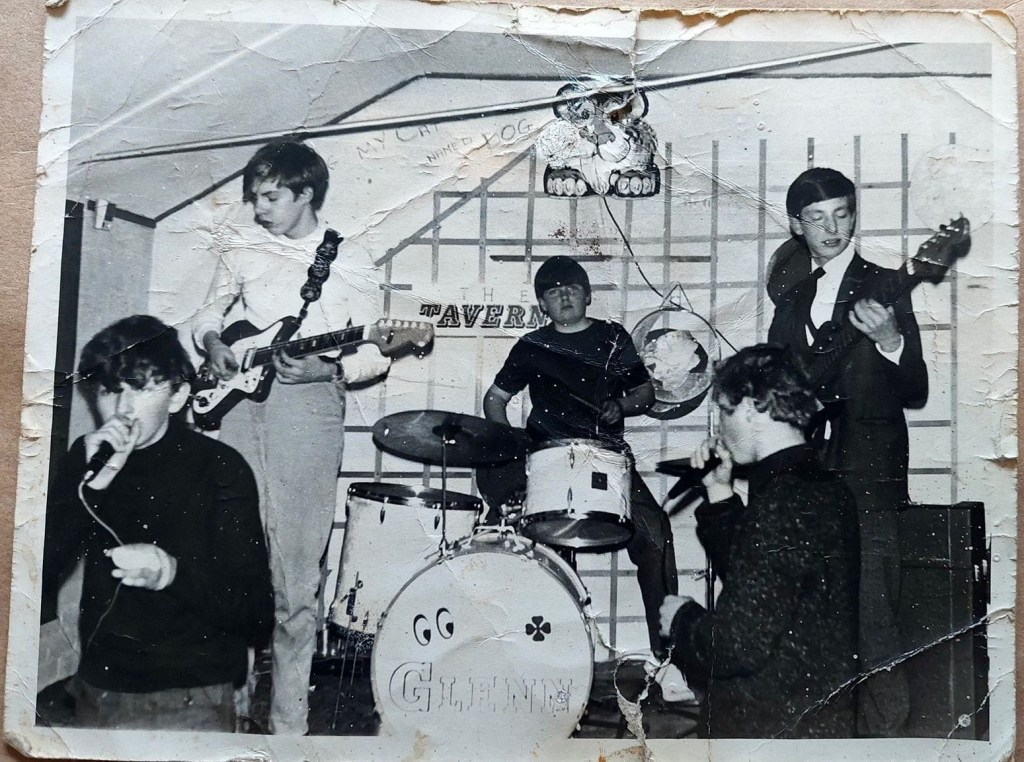
The Peppermint Men c’66. Source: Jenny Bembridge via Farnborough (Hants) Nostalgia 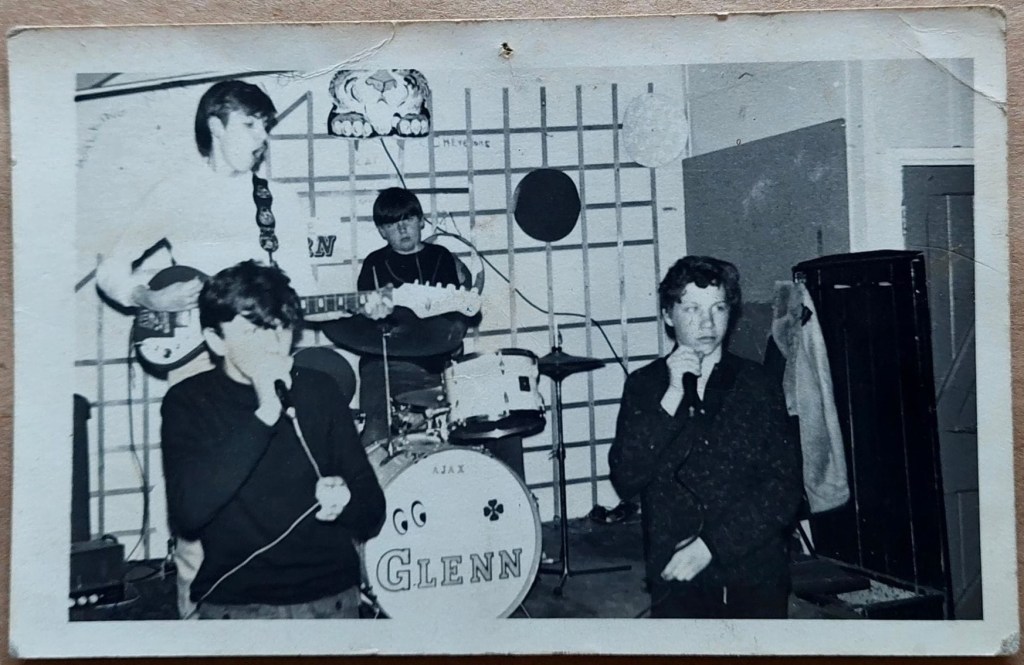
The Peppermint Men c’66. Source: Jenny Bembridge via Farnborough (Hants) Nostalgia -
The Mourning After

(c’89-92) Julian “Jules” Wathen (Bass), Jon Croxford (Drums), Dave Durban (Guitar) and Justin ‘Atticus’ Morley (Guitar / Vocal).
This thrash metal band were formed by Wathen, Croxford and Morley – three Guildford Grammer students – in late ’89. In early 1990 they released “Temple of Insanity”, their 1st cassette demo, which carried 3 tracks: “Assault and Battery”, “Necronation”, and “Temple of Insanity”.
The Thrash Metal Guide’s review describes the demo as “offer[ing] quite cool progressive classic melodic thrash which also wins points from the expressive boosted bass performance and the plentiful intriguing melodic walkabouts which on “Necronation” easily reach heights worthy of pillars like Fates Warning and Dream Theater. Still, this is thrash pretty much, and once the lads settle for a more moshing stroke, they can rank with the biggest bashers out there, like the less restrained rhythms on the title-track show only too well, the not very rehearsed, unemotional clean vocals not contributing much to the appetizing demanding picture which should have received a more fulsome, full-length release baptism.”
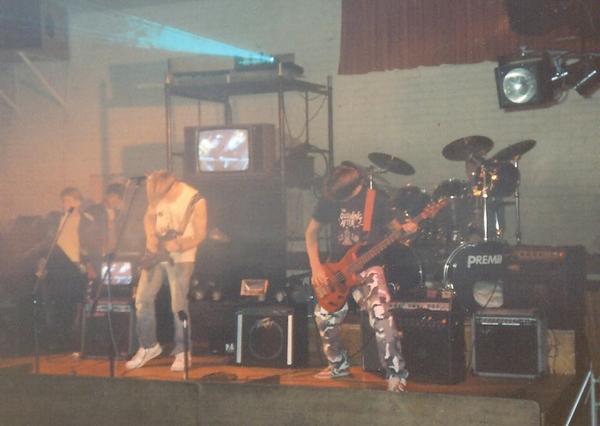
3 November 1990: The Mourning After on stage at All Saints Church Hall, New Haw. It was a year after their formation before their first gig at All Saints Church Hall, New Haw, on 3 Nov ’90, supporting Backlash and Alternative Law. On 3 May ’91 the band were at the West End Centre, Aldershot supporting Warp Spasm along with Severence, and Asteroth. By June ’91 Durban had joined the band in time for “Madhouse”, their second demo released later in ’91. In the Spring of ’92 the band played at Tormead School’s 6th Form Ball, shortly after which, on 24 April ’92, they headlined a gig at The Cricketers, Westfield and were supported by Faced Out.
Morley may have moved North and joined Manchester folk metal combo Andraste.
Gallery:

Cover art for “Temple of Insanity” demo cassette from 1990. 
The Mourning After started as a 3-piece (L-R) Wathen, Morley, and Croxford, seen here rehearsing in an Iron Maiden fans bedroom… 
3 November 1990: The Mourning After’s 1st gig at All Saints Church Hall, New Haw supporting Backlash and Alternative Law 
3 May 1991: My Mourning After supporting Warp Spasm with Severance, and Asteroth at the West End Centre, Aldershot. 
Cover artwork for The Mourning After’s “Madhouse” demo cassette. 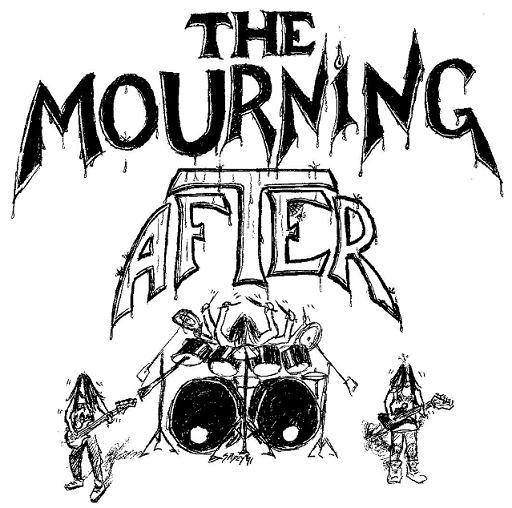
‘Fill In The Blank’ gig poster for the original 3-piece The Mourning After. 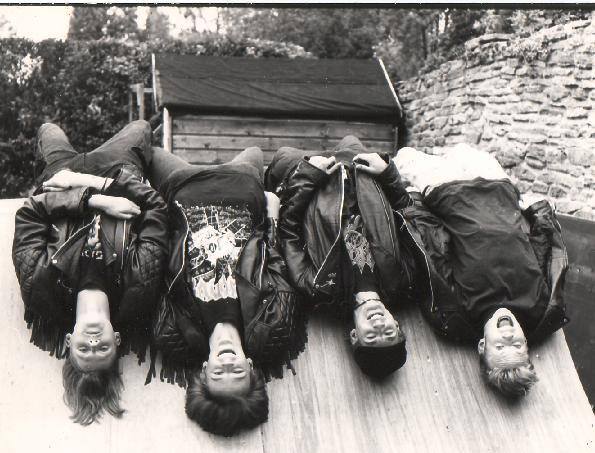
The Mourning After band pic… 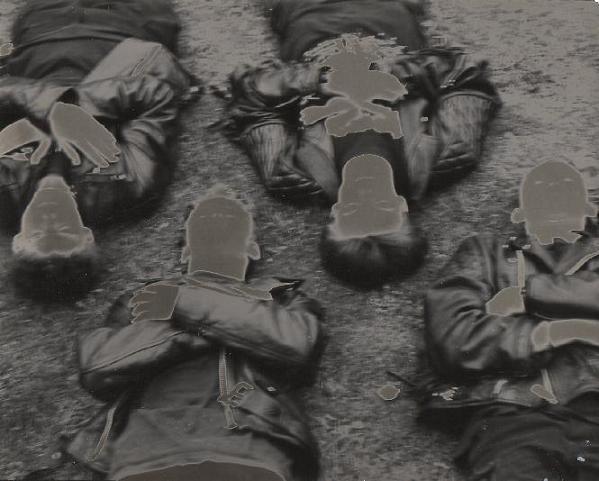
The Mourning After band pic by Graham Goodband 
The Mourning After band logo 
The Mourning After, from a photo shoot for The Madhouse Demo. Source (I stole it): Julian Wathen -
The Deep Season

(c’90-94) Lindsay Jamieson (drums), Kevin Jamieson (vocals), and Nick Hannan (bass).
Out of the ashes of Jim Jiminee came Fleet’s The Deep Season. Their first known gig was at The Buzz Club, West End Centre, Aldershot – while After the Dream supported Explodehead, along with The Screaming Benders, This Witness, and Cow played the main hall; The Deep Season played the bar area. Ten days later, on 16 April, Deep Season headlined Buzz Club with After the Dream and This Witness in support.
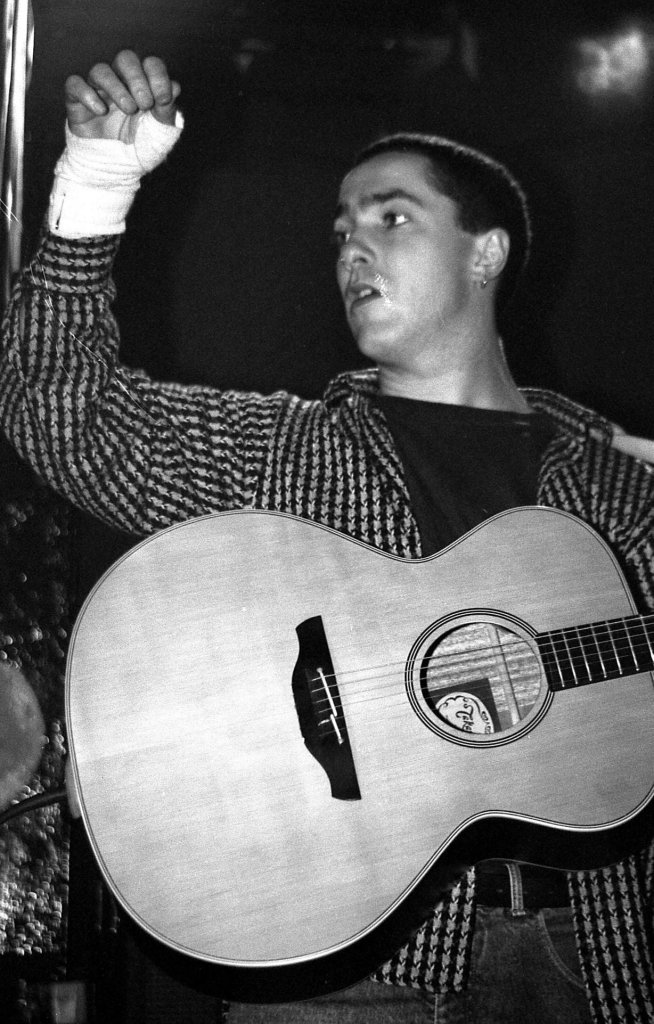
8 March 1991: Deep Season at The Bull & Gate, Kentish Town. Source: Mick Mercer via BULL & GATE MEMORIES – remembering all who sailed in her musical tidal wave Later in ’90 they self-released the eponymous “The Deep Season E.P. [Blah 001] on their Blah Records label. On 8 March ’91, The Deep Season played the Bull & Gate, Kentish Town and later in the month, on 23 March ’90, were at The Buzz Club again with Cow, The Cygnet Rings and Who Moved the Ground? That same year they released the 12″ “Fields of Joy E.P.” [blah 002], which was produced by Guy Chambers. It was back to the Bull & Gate on 5 July ’91, headlining as far as we are aware with The Blue Birds, and The Ammonites in support; and again on 4 October ’91, with Sugar House and Sweet Life, at Pop Club. Moving to Integrity Records late in ’91 they released the “Loony Tunes” [Integrity 001] 12″ EP just before Christmas ’91. They pushed this heavily in the lead up to Christmas ’91 with gigs at the Orange Club, West Kensington; Splash Club, King’s Cross; and, on Christmas Eve, the Apple Club, The Compasses, Egham.
9 May ’92: The Deep Season were supported by Giant Arc, Flavour and Pomeroy The Buzz Club had the band headlining once again on 9 May ’92 for a local band night, supported by Giant Arc, Flavour and Pomeroy. Interest from Columbia resulted in ’93’s “Island Monkeys” LP and the “Evergreen” EP [COL 660 751-2] in ’94, which was re-released in 2017. Columbia’s promotion work got “Lovesome Day” from the LP some radio play on Belgium Delta Radio/Bilzen 5 and “Evergreen” on Radio LAC/Geneva S and on S Couleur 3/Lausanne G in Switzerland. The band also visited Austin, Texas, for South by South West (SXSW), in ’94 playing at the Ritz and Scholz Garten.
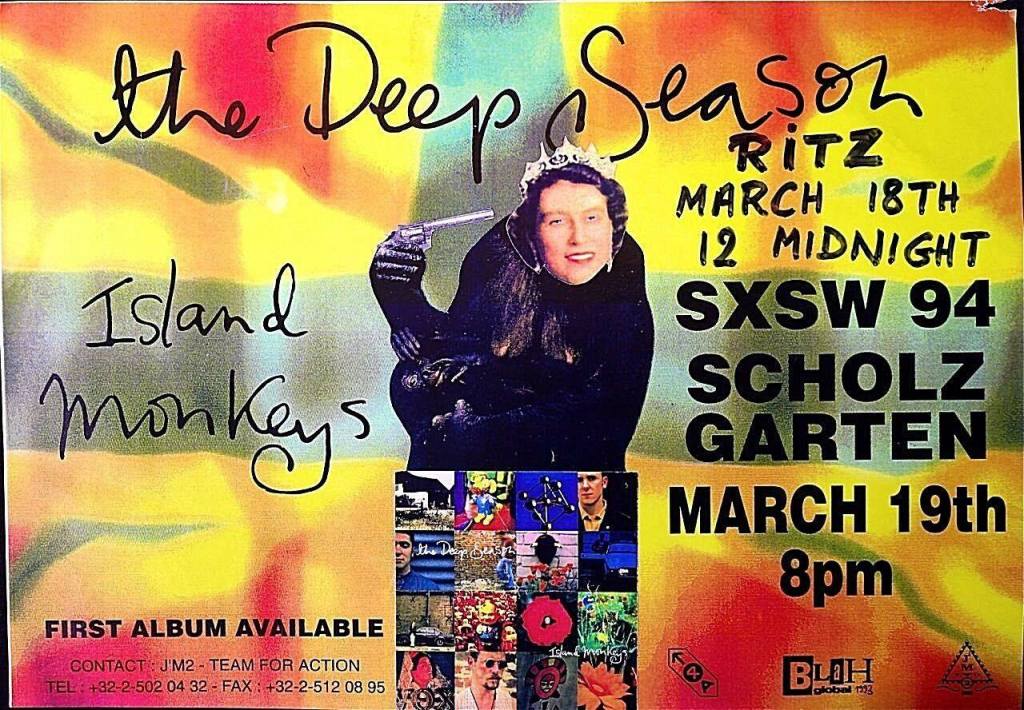
Promo flyer for The Deep Season at SXSW in 1994. As far as we know the band split in ’94; although the band members did later produce and provide backing for Perry Rose’s album “The Bright Ring of the Day”. After Deep Season, Lindsey Jameson was also in Supermodel, Departure Lounge, and Astronaut Pushers just before joining Ben Folds in 2005. Hannan joined his brother Patrick “Patch” Hannan at Blah Street Studio. Patch played drums for The Sundays, Star 69 and Arnold. While there, Hannon appeared on a number of albums for a variety of artists, including Arnold, Jack Henderson and Bennett. Hannon may have moved to Sidmouth.
Gallery:

6 April 1990: Deep Season, along with After The Dream and This Witness played the Buzz Club at West End Centre, Aldershot. Source: Who Moved The Ground? 
8 March 1991: The Deep Season at Pop Club, Bull and Gate, Kentish Town. Picture courtesy of Mick Mercer via BULL & GATE MEMORIES – remembering all who sailed in her musical tidal wave 
8 March 1991: Deep Season at The Bull & Gate, Kentish Town. Source: Mick Mercer via BULL & GATE MEMORIES – remembering all who sailed in her musical tidal wave 
8 March 1991: The Deep Season at Pop Club, Bull and Gate, Kentish Town. Picture courtesy of Mick Mercer via BULL & GATE MEMORIES – remembering all who sailed in her musical tidal wave 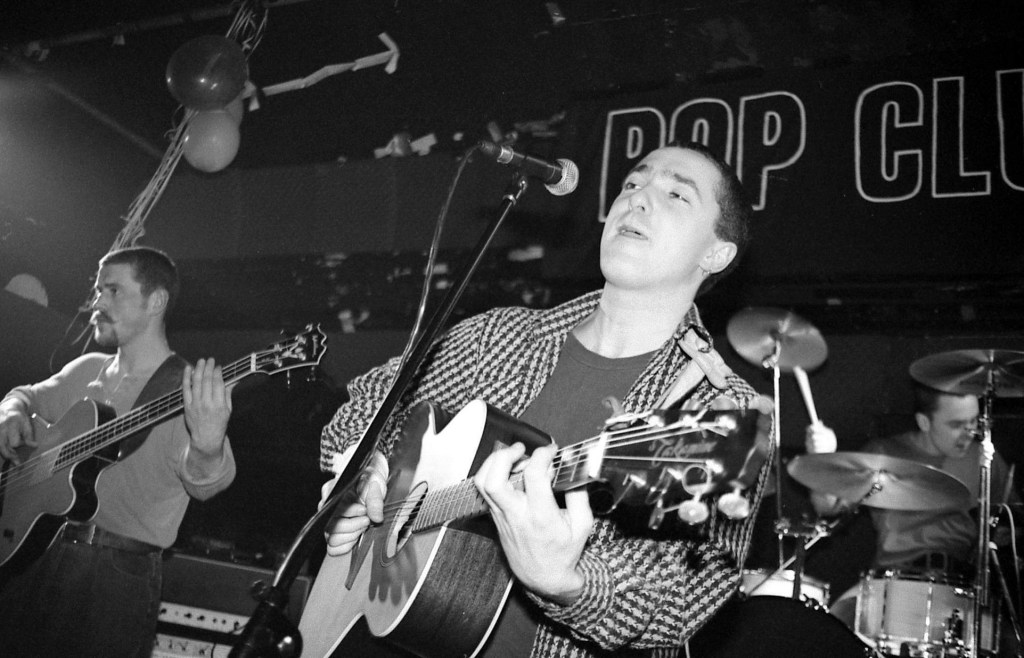
8 March 1991: The Deep Season at Pop Club, Bull and Gate, Kentish Town. Picture courtesy of Mick Mercer via BULL & GATE MEMORIES – remembering all who sailed in her musical tidal wave 
8 March 1991: Deep Season at The Bull & Gate, Kentish Town. Source: Mick Mercer via BULL & GATE MEMORIES – remembering all who sailed in her musical tidal wave 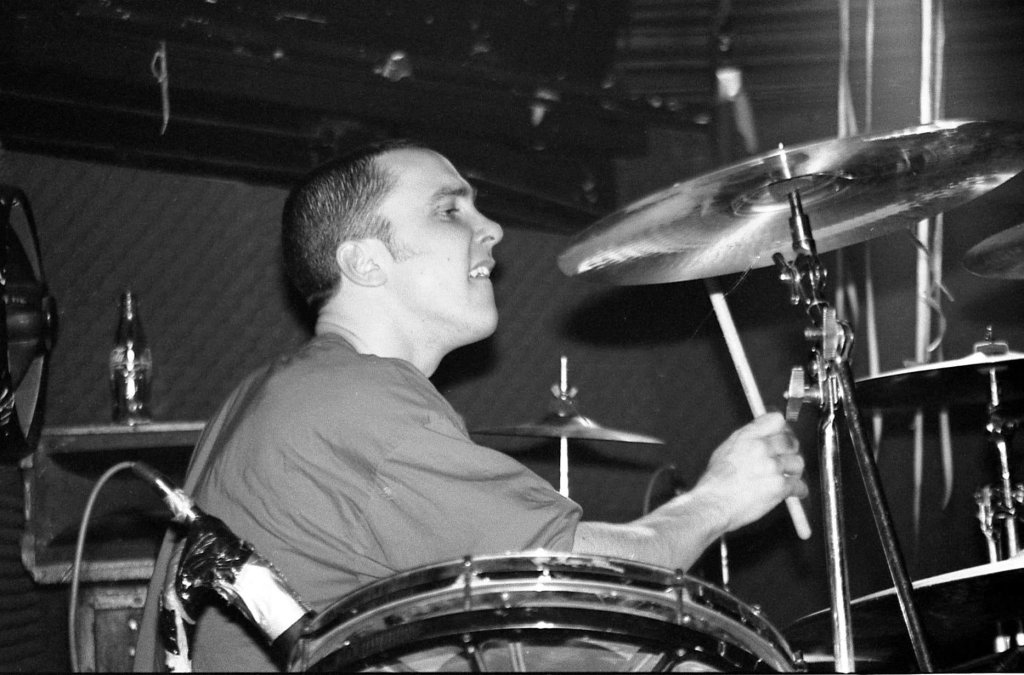
8 March 1991: Deep Season at The Bull & Gate, Kentish Town. Source: Mick Mercer via BULL & GATE MEMORIES – remembering all who sailed in her musical tidal wave 
8 March 1991: The Deep Season at Pop Club, Bull and Gate, Kentish Town. Picture courtesy of Mick Mercer via BULL & GATE MEMORIES – remembering all who sailed in her musical tidal wave 
The Deep Season’s first known gig was supporting, with Cow, The Cygnet Rigs and Who Moved The Ground at The Buzz Club in March 1991 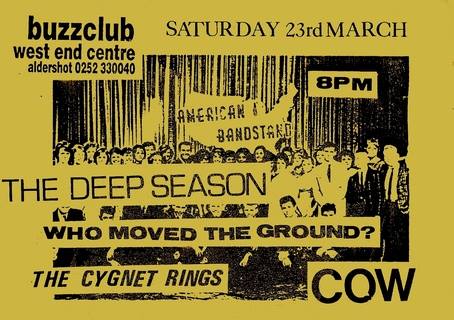
The Deep Season’s first known gig was supporting, with Cow, The Cygnet Rigs and Who Moved The Ground at The Buzz Club in March 1991 
The Deep Season’s “Fields Of Joy E.P.”‘ 1991 
4 October 1991: The Deep Season with Sugar House and Sweet Life at Pop Club, Bull & Gate, Kentish Town. Source: Mick Mercer via BULL & GATE MEMORIES – remembering all who sailed in her musical tidal wave 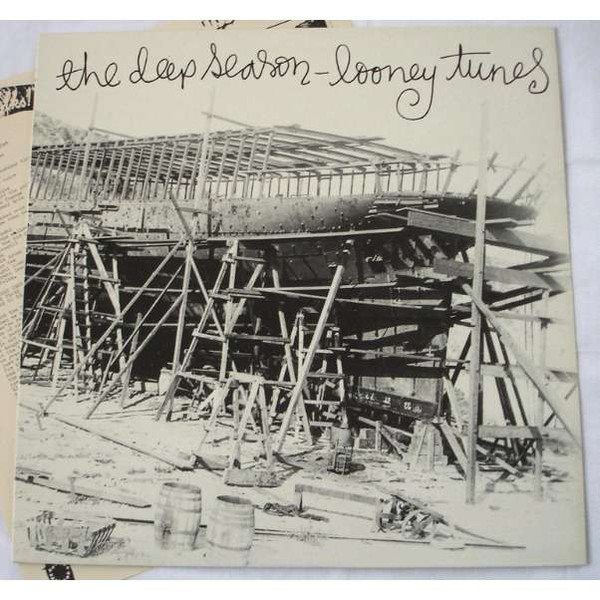
The Deep Season’s “Loony Tunes” EP, 1991. 
Unknown local rag press clipping from December ’91 covering The Deep season. Picture courtesy of Steve Porter 
The Deep Season’s “Island Monkeys” LP, 1993 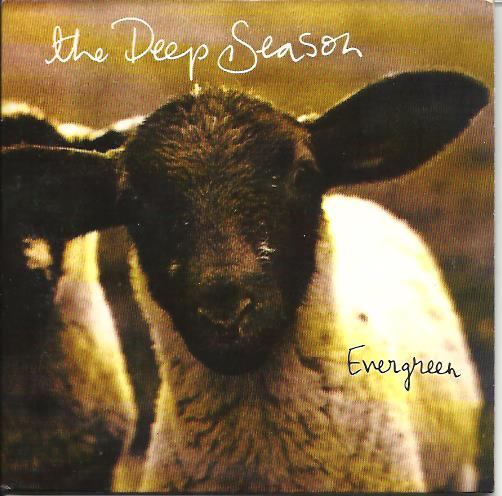
The Deep Season’s “Evergreen” EP, 1994. 
Side A of The Deep Season’s self-released the eponymous E.P. [Blah 001] from 1990 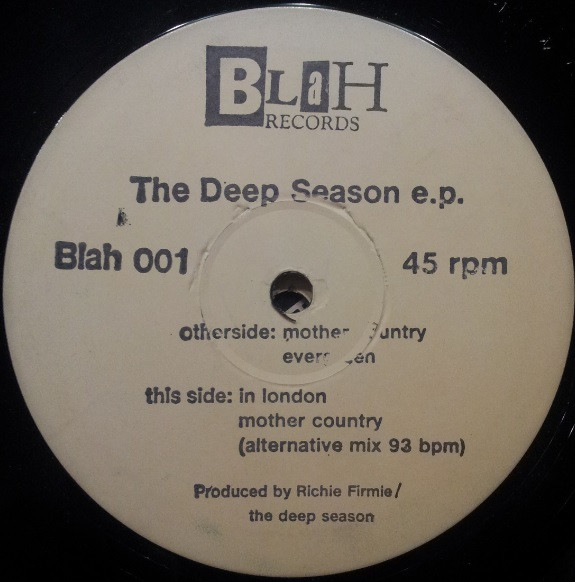
Side B of The Deep Season’s self-released the eponymous E.P. [Blah 001] from 1990 After the Dream, Aldershot, Apple Club, Arnold, Astronaut Pushers, Austin, Belgium, Ben Folds, Bennett, Bilzen 5, Blah Records, Blah Street Studio, Bull & Gate, Columbia, Cow, Delta Radio, Departure Lounge, Egham, Explodehead, Flavour, Fleet, Geneva S, Giant Arc, Guy Chambers, Integrity Records, Jack Henderson, Jim Jiminee, Kentish Town, Kevin Jamieson, King's Cross, Lausanne G, Lindsay Jamieson, Nick Hannan, Orange Club, Patrick Hannan, Perry Rose, Pomeroy, Pop Club, Radio LAC, Ritz, S Couleur 3, Scholz Garten, Sidmouth, South by South West, Splash Club, Star 69, Sugar House, Supermodel, Sweet Life, Switzerland, SXSW, Texas, The Ammonites, The Blue Birds, The Buzz Club, The Compasses, The Cygnet Rings, The Deep Season, The Screaming Benders, The Sundays, This Witness, West End Centre, West Kensington, Who Moved the Ground? -
Headcopter
(c’94-’96) Graham Burgess (vocals/guitar), Shaun Jackson (drums) and Pete Burgess (bass)
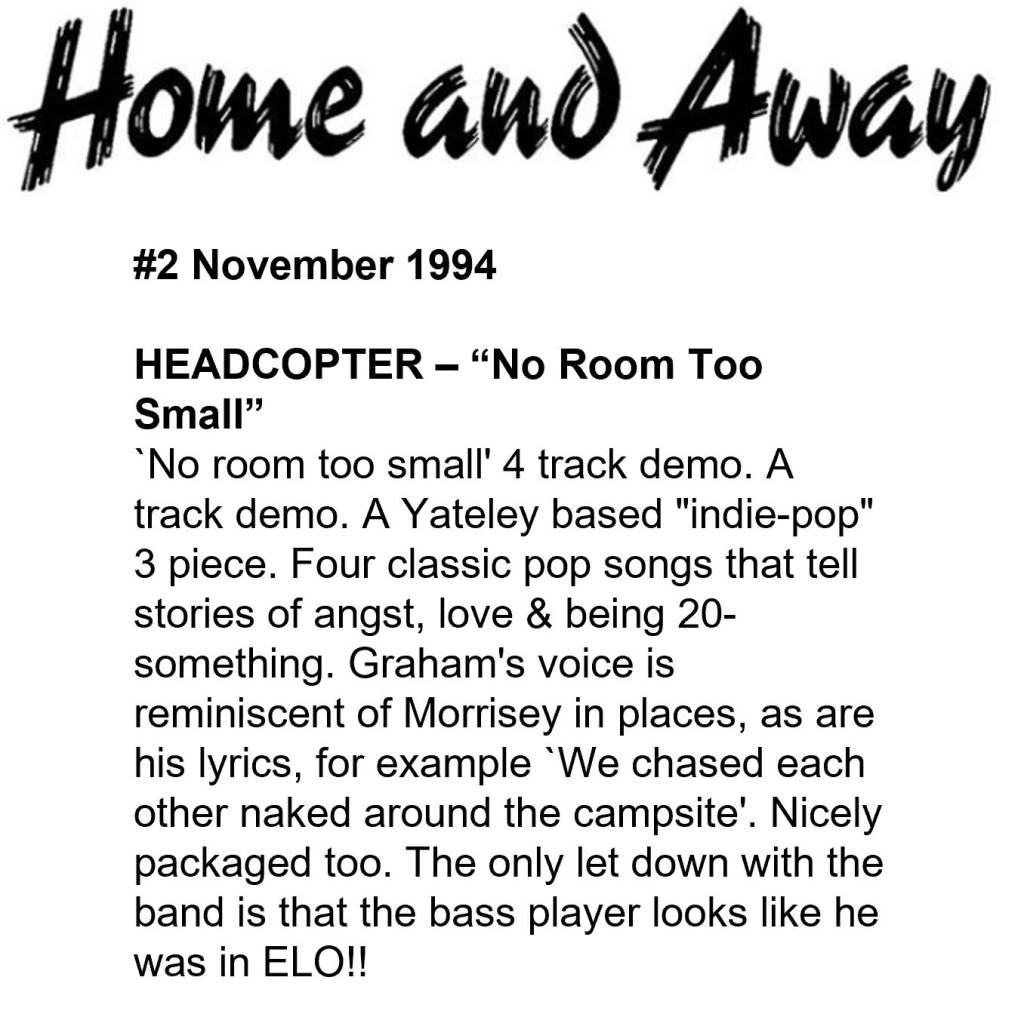
Formed by ex-Trousershock B.C. guitarist and vocalist Burgess this 3-piece Yateley indie-pop band had a Smiths’ vibe. In late ’94 they released the “No Room Too Small” 4 track demo. Pulled from that demo, the bands “Will You Let Us Know” appeared in Farnborough Groove Strikes Back! Vol. in ’95; although it was wrongly titled “Call Us, Let Us Know”.
On 9 March ’95 the band supported Skipper, who’d stepped up the headliner after The Wasp Factory pulled out due to illness, at The Shed, South Hill Park, Bracknell. Later that year “I Don’t Think I Deserved This” was included on The Best Farnborough Groove in the World – Ever! Vol.6. Farnborough Groove impresario Pete Cole recalls Burgess saying, just before their last song at a gig “If you liked us we are called Headcopter, if you hated us we are called Who Moved the Ground?“.
The Montrose Tractor, as Trousershock B.C,’s drum machine was called, reportedly replaced Headcopter’s drummer Jackson, who’d been in Peachrazor prior to Headcopter.
Tracks:Gallery:


-
Starship

(c’76-’81) Robert Russell (guitar/keyboard/vocals), John Russell (guitar/vocals), Peter Jones (bass/vocals), and Mike Winters (drums/vocals).
This Guildford group, described as new wave / power pop with four-part harmonies, played most of the Guildford venues, like The Royal on Sunday nights in the early 80’s; The Stoke Hotel, and The Wooden Bridge – where Robert and John organized The Rock Club in the late 70’s, aided by Ian J Davies – among them.
Jones left in the band in ’76 and was replaced by Steve Smith. The back room at The Stoke Hotel was also the bands rehearsal space. It was during one of the rehearsal sessions, in August 1976, that they used a 2-track recording machine to capture several tracks in mono. Eventually these became the self-released “Starship” 7″ vinyl EP, of which a limited 500 were released in April ’77, on their own label: Scratch Records [SCH.01]. The 4 tracks on the EP were “Vampire For Your Love”, “You Can Dance” “Hey Girl” and “Never Thought I’d See The Day” which were all written by Robert Russell.
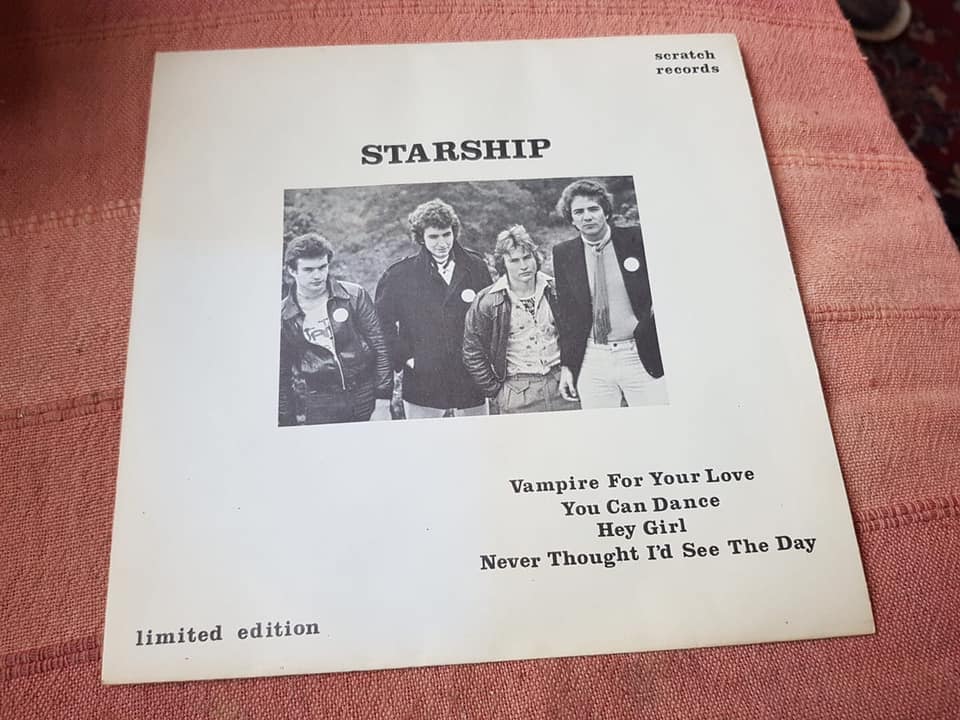
Starship’s 7″ EP. Picture courtesy of Ian J Davis For the record collectors among us, the record uses the Fanfare matrix number FR.2219; implying that Fanfare Records, a studio and custom-recording company based in Swiss Cottage, London, made the acetates / arranged for the record to be made. Shortly after the release, Winters, who’d replace original drummer Mick Freer, left the band and Ken ? stepped in before Steve Bye took the stool.
In the early ’80’s Ian J Davis managed to get them a couple of plays on John Peel & Alan ‘Fluff’ Freeman’s radio shows through a friend that organized the playlists. When John joined After the Fire, there was no more Starship. Robert would join Whirlwind, Smith found himself in The Vapors, while Bye went to The Jetz then onto The Physicals. Robert would go on to released an album titled “Retrospection Love and Heartbreak” in 2022, where the Starship EP is rerecorded.
Gallery:

A-Side of Starship’s 7″ EP 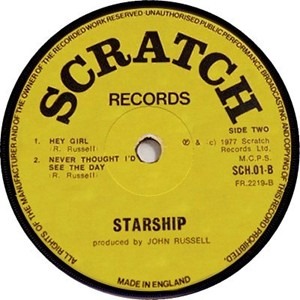
B-Side of Starship’s 7″ EP 
Starship in ’77 After the Fire, Alan Freeman, Fanfare Records, Guildford, Ian J Davis, John Peel, John Russell, Mick Freer, Mike Winters, Peter Jones, Robert Russell, Scratch Records, Starship, Steve Bye, Steve Smith, The Jetz, The Physicals, The Rock Club, The Royal, The Stoke Hotel, The Vapors, Whirlwind, Wooden Bridge -
Stigmata Club
(c’87) Ben Norris (bass / vocals), Jamie Freeman (?), Dave Smith (?), and Brian ? (?).
This Farnham based group, known to have played Champagnes, Horsham, were described as a “mix of white funk and black punk”. Reportedly they spent their first paying gig fee on Hasbros’ Crossfire board game.
In addition to Champagnes, the band were engaged by The Buzz Club to play the bar area, on the night The Happy Mondays were on the main stage – who were supported by The Waltons, This Poison!, and Caretaker – at the West End Centre, Aldershot on 3 July ’87. They released one demo cassette and split before any record company interest.
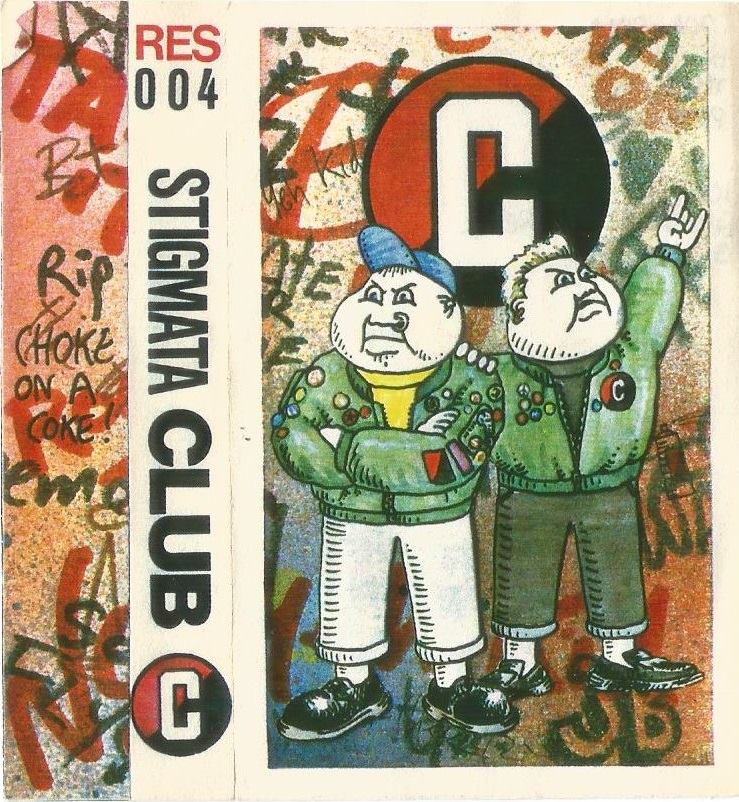
Stigmata Club demo cassette sleeve. Picture courtesy of Sid Stovold The band, along with Fra Angelico, also played at the ‘Swimming Pool squat gig’ in Farnham which was organized by Freeman and Norris and others from the Farnham punk scene.
Norris went on to Skipper and is now a stand-up comedian. Freeman – who’d been in Salter Cane – was a songwriter, musician, and producer described by R’N’R Magazine as “..between the narrative talents of Pete Townshend, Ray Davies and other 60’s luminaries…”. He co-founded the Lewes, Essex based Union Music Store label, and would join his brother Tim, playing with Frazier Chorus. On his own label Freeman released three LPs under his own name between 2011 and 2019 and also fronted The Jamie Freeman Agreement, with whom an LP was released in 2013. Freeman and Norris would collaborate again on Norris’ comedy music album “Moral Vacuum”.
Freeman regrettably left this realm in December 2022, as the result on brain cancer.
Gallery:
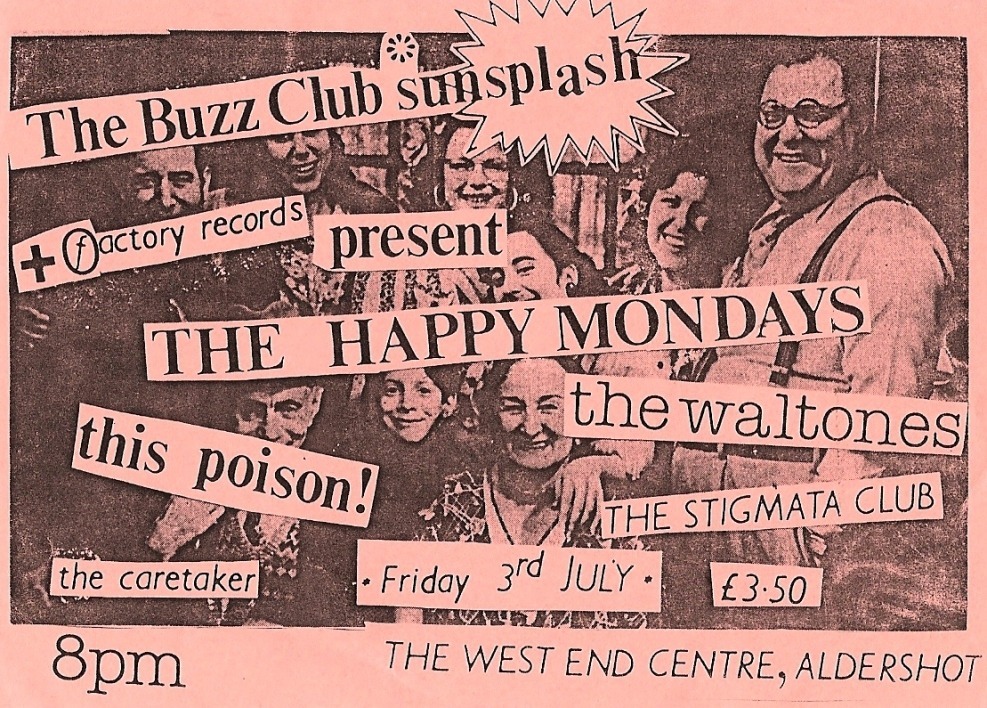
3 July 1987: Stigmata Club played the bar at the Buzz Club: Source indiethroughthelookingglass.com 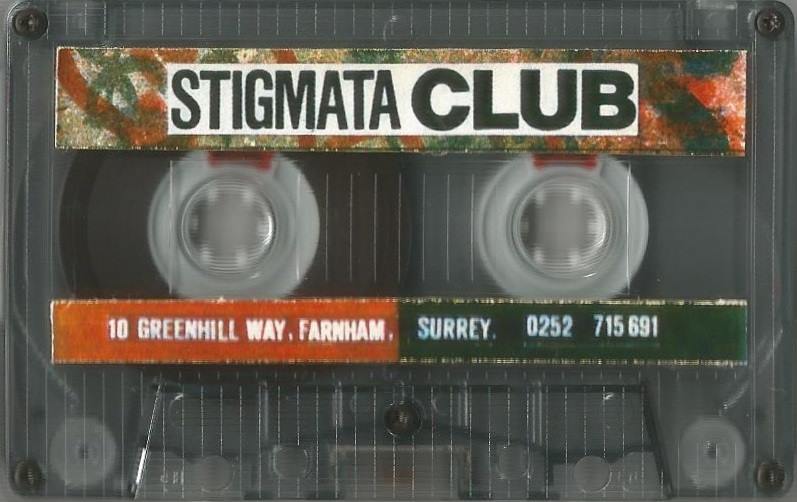
Stigmata Club demo cassette. Picture courtesy of Sid Stovold Aldershot, Ben Norris, Caretaker, Champagnes, Dave Smith, Farnham, Fra Angelico, Frazier Chorus, Horsham, Jamie Freeman, R’N’R Magazine, Salter Cane, Skipper, Stigmata Club, The Buzz Club, The Happy Mondays, The Jamie Freeman Agreement, The Waltons, This Poison!, Tim Freeman, Union Music Store, West End Centre


Human beings takes me back to 1981. Followed them all over the Surrey reading area for a year a great band and 3 good guys playing well written songs of the era. I wish john Tim and steve well what ever they are doing now. Should reform for a few shows just like Oasis but do the wooden bridge.
LikeLiked by 1 person