
-
Hogsnort Rupert

(c’62?-’65/78?) – Bob “Hogsnort Rupert” McGrath (vocals), John Constantine (drums), John Claydon (baritone sax), David Brown (bass), Milton James (tenor sax), Rod Jones (piano) and Brian Chambers (guitar).
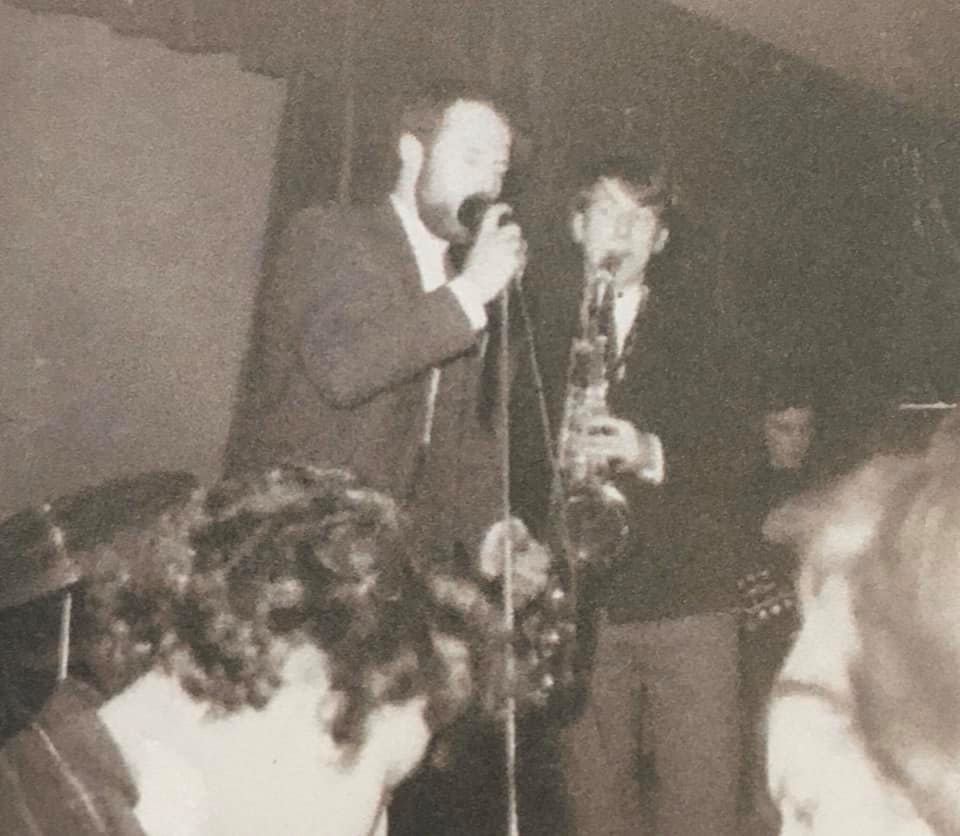
Originally formed in 1962 as Hogsnort Rupert, they were as known as Hog-Snort Rupert’s Famous Porkestra, Hogsnort Rupert’s Good Good Band, Hogsnort Rupert and his Band and H.S. Rupert & his Soul Builders; and should not be confused with ’68’s Hogsnort Rupert’s Original Flagon Band from New Zealand or the Pete Burt (ex-The Kool drummer), Bob Brittain (keyboard) and Rod Wharton trio also called Hogsnort Rupert.
In ’62-’64, Hogsnort Rupert were oft billed as The Famous Porkestra and around this time -c’63-’64 – Guildford educated student John Renbourn, later guitarist with Pentangle, certainly played electric guitar – which he’d borrowed – in the band, while he was at Kingston Art College. Renbourn recalls playing Jimmy Reed covers while in the band in the DVD booklet to ‘John Renbourn, Rare Performances 1965-1995’. On his first album and eponymous LP released on Transatlantic (TRA 135) he dedicates the self-penned track “The Wildest Pig in Captivity” to Hogsnort with the line: ‘An instrumental dedicated to a friend of mine Hogsnort Rupert, in whose rock ‘n’ roll band, The Famous Porkestra, I once played.” In a biographical article for the Folk Blues & Beyond music website, Renbourn reports “I found that some of the band’s riffs sounded interesting played fingerstyle on an acoustic guitar and pieces like “The Wildest Pig In Captivity” came out of that. We also know that Tony Hoadley played with Hogsnort Rupert at one stage.
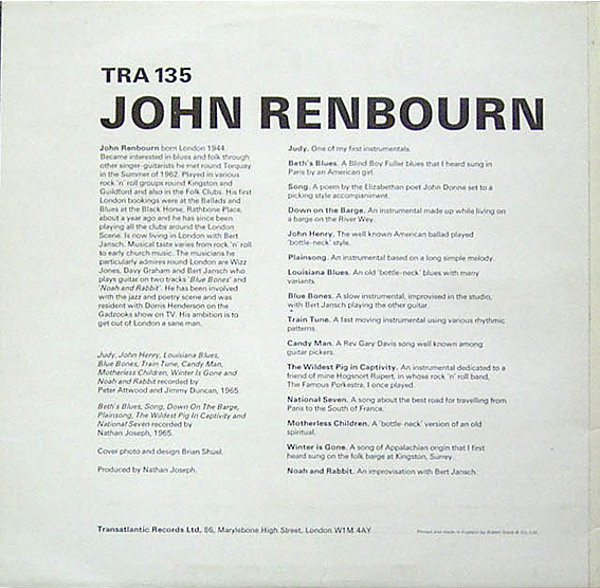
Back of sleeve to John Renbourn’s debut LP, with dedication to Hogsnort Rupert. Farnham Art College student McGarth was the nucleus of the band with an encyclopedic knowledge of R ‘n’ B and similarly large record collection. Constantine lived near Ripley in 1963, assisted at the Ricky-Tick, Guildford and at one time played with The Pretty Things. Claydon lived above Cafe Cantata, Windsor next door to the police station, on the Eton High Street for a while – The Rolling Stones used to hang out in the Cafe during their residency at the Ricky Tick Club. In the early 60’s you could find Hogsnort’s huge 30×40 inch posters with screaming face (that later became the Ricky Tick’s signature image) fly posted over Guildford.
We know that on 16 February ’63 supported by the John Ford Combo and Mick Wayne and his Band; and a month later on 16 March with Group 3 + 1 and Mick Wayne and Ork supporting, they played the Village Hall, Merrow; covering the likes of James Brown, Bobby Bland, Larry Williams, and Fats Domino. At the latter they met Ricky Tick promoter John Mansfield and got booked to play some Ricky Tick Club nights. Hogsnort’s appearances at the Ricky Tick even get a fleeting reference in Bill Wyman’s book ‘Rolling with the Stones’ when he writes of the 14 December ’62 and Wyman’s first gig with The Rolling Stones: “[The Ricky Tick was] a large, square room, with a small triangular stage in one corner and a bar on one side. On the walls were posters of other groups that had played at the club, including the Mann-Hugg Blues Band and Hogsnort Rupert’s Band”. On 6 July ’63: Hogsnort Rupert and his R&B Band were booked to play the Ricky Tick in the St. John’s Ambulance Hall, Reading.
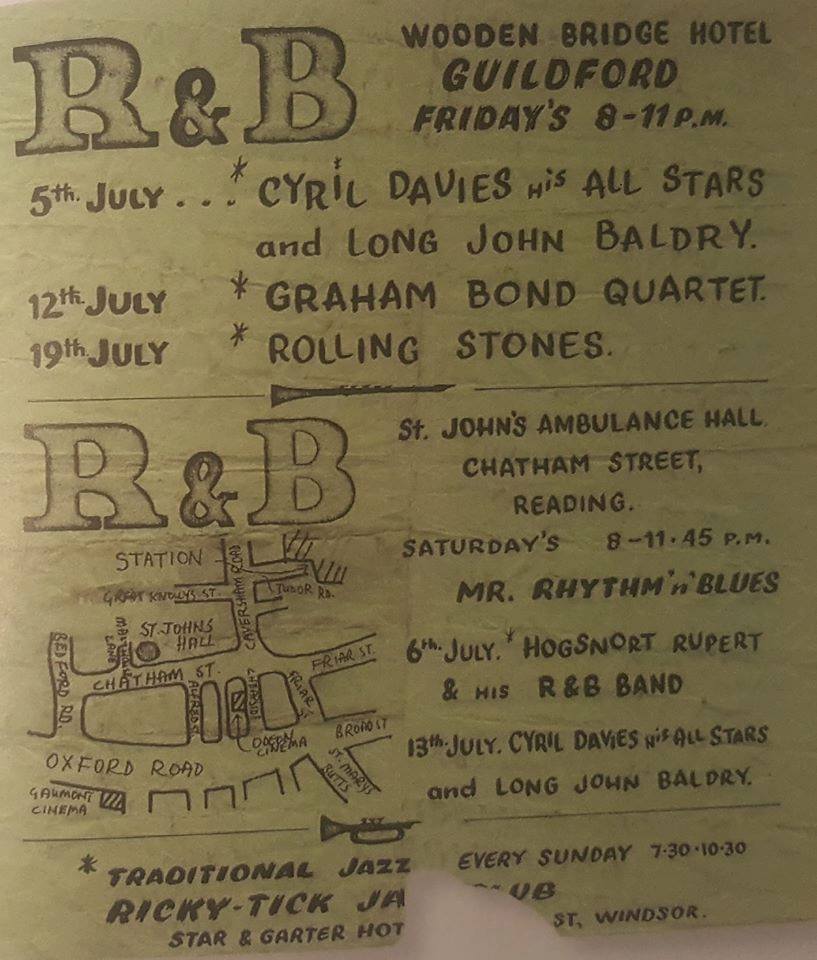
6 July 1963: Hogsnort Rupert and his R&B Band play the Ricky Tick Reading. Picture courtesy of Ben’s Collectors Records On 17 December ’64, Hogsnort Rupert and His Band, supported by Smokestakks and The Phantom Four, played the End of Term Dance organized by Guildford School of Art Student Union and held at the school. Hogsnort’s connection to Ricky-Tick secured them a gig in Slough, one Easter Weekend for the Aldermaston Marchers, along with Cyril Davis All Stars and Long John Baldry. In fact, Ricky-Tick’s Mansfield would later take up management of Hogsnort Rupert’s Good Good Band, including booking them at Peter Stringfellow’s Mojo Club in Sheffield, a residency at Ricky-Tick, Windsor (Clewer House) on Sundays and becoming Larry Williams and Johnny Guitar Watson’s backing band.
Williams, when asked about his backing band is reported to have said “they’re so good they had to name them twice.” Unfortunately when it came time to record an LP with Williams and Watson, agent Roy Tempest opted for The Stormsville Shakers. In March ’65, Hogsnort Rupert and the Good Good Band supported Gary Farr and the T-Bones at the Marquee, Wardour Street on the night Radio Luxembourg recorded ‘Ready, Steady, Radio’. A couple of months later, on 2 May ’65, the band were further north at the Ilkley D.J. Club held in the Troutbeck Hotel, Ilkley.
We have also found a single released in England in 1978 titled “The Plant Song” on the Creole Records label [CR 156] by Hogsnort Rupert, and one of the credited writers is Bob McGrath. On this “Plant Song” 45, one of the producers is named as Peter MacGregor who played tenor sax with The Stormsville Shakers.
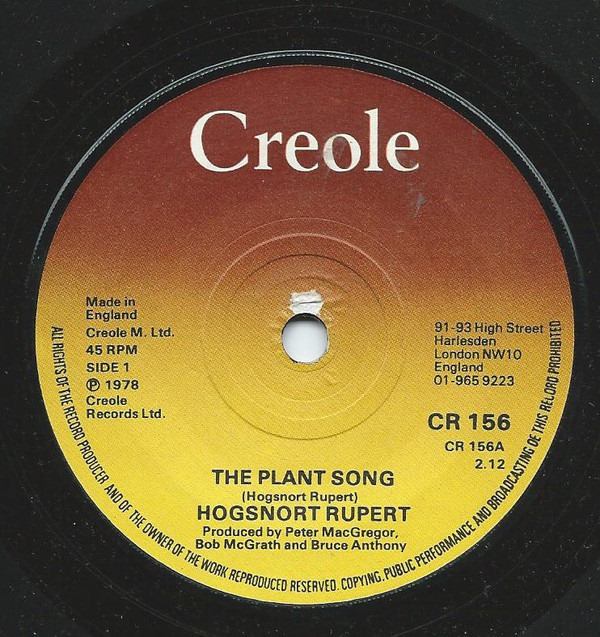
1978 single… Hogsnort Rupert gets mentioned in two books: John Platt’s ‘London’s Rock Routes’ and Nigel Enever’s ‘Guildford – The Rock n’ Roll Years’. McGrath is now running eyeballproductions.com, producing blues, R&B, gospel, soul, and zydeco discographies. Brown unfortunately died in 1991.
Gallery:
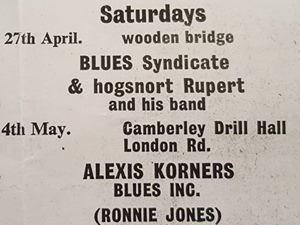
An early Ricky Tick Club flyer when it was at the Woodenbridge featuring Hogsnort Rupert supporting the Blues Syndicate, from the collection of Peter Philips. Picture courtesy of Ben’s Collectors Records 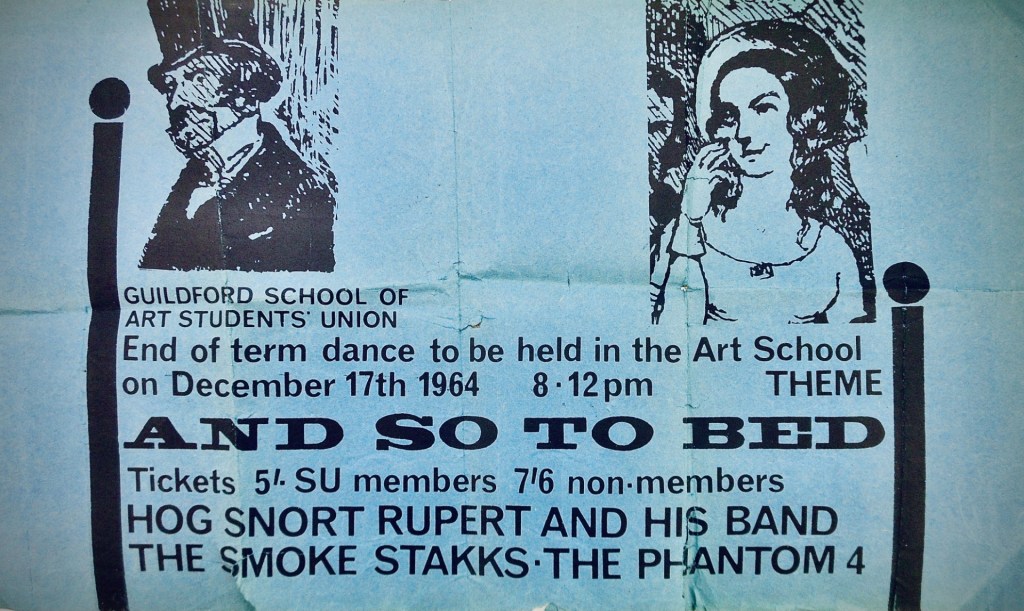
17 December 1964: Smokestakks and The Phantom Four supported, Hogsnort Rupert and His Band, Image courtesy of William Neal 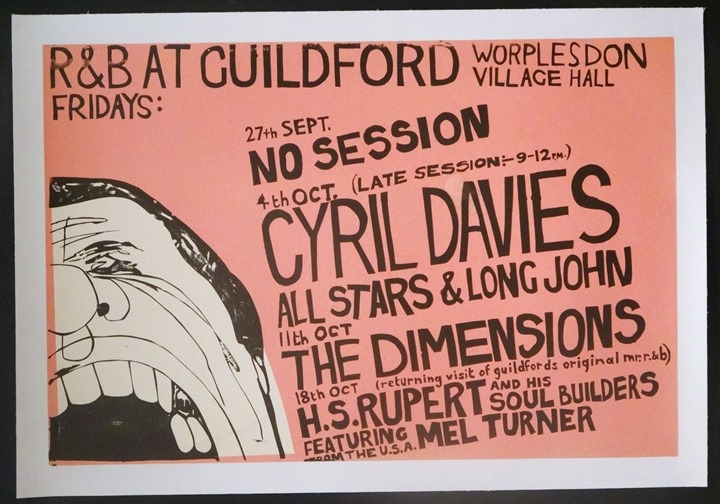
Source: ConcertPosterAuctions.com 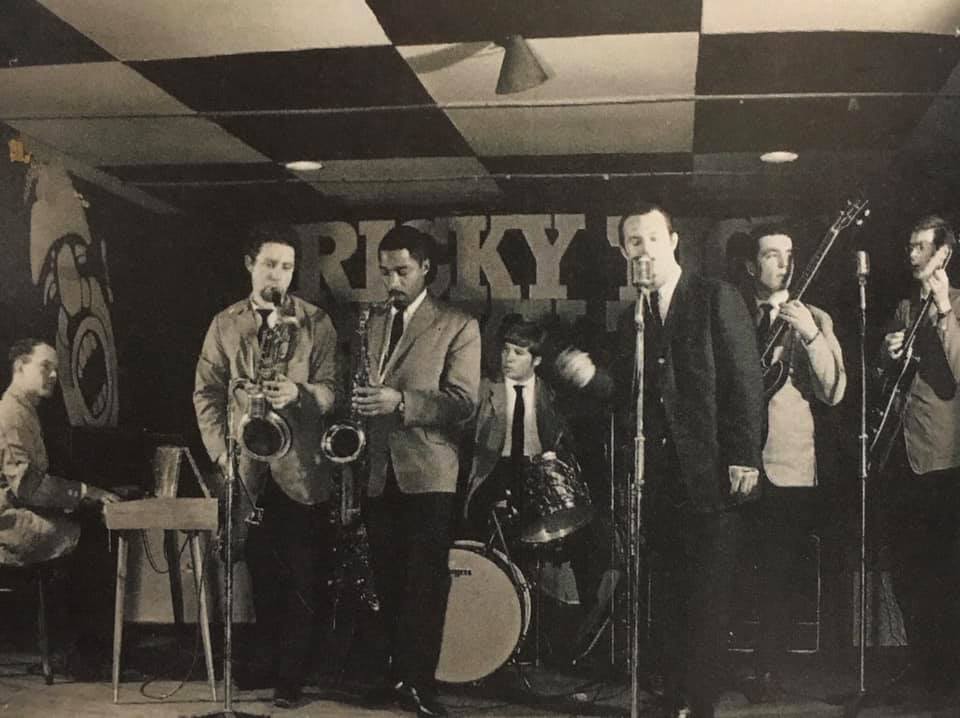


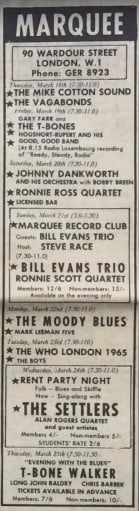
19 March 1965: Hogsnort Rupert and the Good Good Band supported Gary Farr and the T-Bones at the Marquee. Clipping from Melody Maker 20 March 1965. 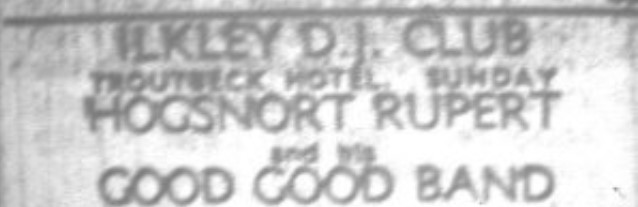
2 May 1965: Gig List Advert. Source: www.bradfordtimeline.co.uk Aldermaston Marchers, Art College, Bill Wyman, Bob McGarth, Brian Chambers, Cafe Cantata, Creole Records, Cyril Davis All Stars, David Brown, Eyeball Productions, Farnham, Gary Farr and the T-Bones, Group 3 + 1, Guildford, Guildford School of Art, H.S. Rupert & his Soul Builders, Hog-Snort Rupert’s Famous Porkestra, Hogsnort Rupert, Hogsnort Rupert and his Band, Hogsnort Rupert's Good Good Band, Ilkley, Ilkley D.J. Club, John Claydon, John Constantine, John Ford Combo, John Mansfield, John Platt, John Renbourn, Johnny Guitar Watson, Kingston College of Art, Larry Williams, Long John Baldry, Mann-Hugg Blues Band, Marquee, Merrow, Mick Wayne and his Band, Mick Wayne and Ork, Milton James, Nigel Enever, Pentangle, Peter Stringfellow, Radio Luxembourg, Reading, Ready Steady Radio, Ricky Tick Club, Ripley, Rod Jones, Roy Tempest, Sheffield, Smokestakks, St John's Ambulance Hall, The Famous Porkestra, The Mojo Club, The Phantom Four, The Pretty Things, The Rolling Stones, The Stormsville Shakers, Tony Hoadley, Transatlantic, Troutbeck Hotel, Village hall, Windsor -
Spirit Level

(c’67) Kevin Smith (guitar), Phil Plant / Page (bass), & Chris Harding (drums).
This blues / blues-based rock band practiced at Mayford Youth Club. They were known at Elite for a while, joining forces with The Late as the Late Elite Package.
On 17 September ’67, the band along with Ono Yasumaro’s illumination Factory lead Neil Rice, went to see Jeff Beck at Cricketers Hotel, Chertsey. They all spoke to Beck in the interval, who already knew them as he occasionally joined the gang in Woking Park on a Sunday afternoon. The result, Beck kindly let Spirit Level play a couple of numbers using the Jeff Beck Group’s equipment at the beginning of the second set.
On 14 December ’67 they participated in the “Living Blues” concert for Cancer Research at the Civic Hall, Guildford with Peter Green’s Fleetwood Mac, Aynsley Dunbar Retaliation, Tony “Duster” Bennett, Chicago Northwestern System, Dr Brown’s Gospel Medicine, and Electric Blue.
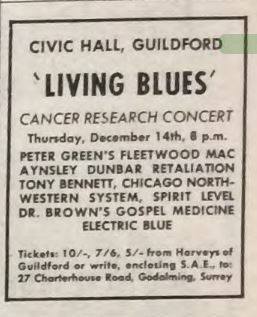
Ad from Melody Maker
9 December 1967Smith, who would later joined Unicorn, played a white Telecaster. Harding went on to play with Christine Perfect’s band, along with bassist Martin Dunsford who many years later played guitar with the Tamla Tigers Motown & soul band. While with Perfect, Harding appeared on her debut, eponymous, solo album which was released in ’70 just after she’d left Chicken Shack and before joining Fleetwood Mac. The LP was re-released in ’76 as ‘The Legendary Christine Perfect Album’.
Plant went on to play in Poppa Ben Hook, subsequently going on to play with Stomu Yamash’ta’s Come to the Edge and another of Yamash’tu projects: Red Buddha Theatre, as well as Woody Woodmansey’s U-Boat. In ’76 Plant played bass on the soundtrack to ‘The Man Who Fell to Earth’ and more recently performed with Roxi and the Blue Cats. Sadly, he passed on 4 April 2025.
Gallery:
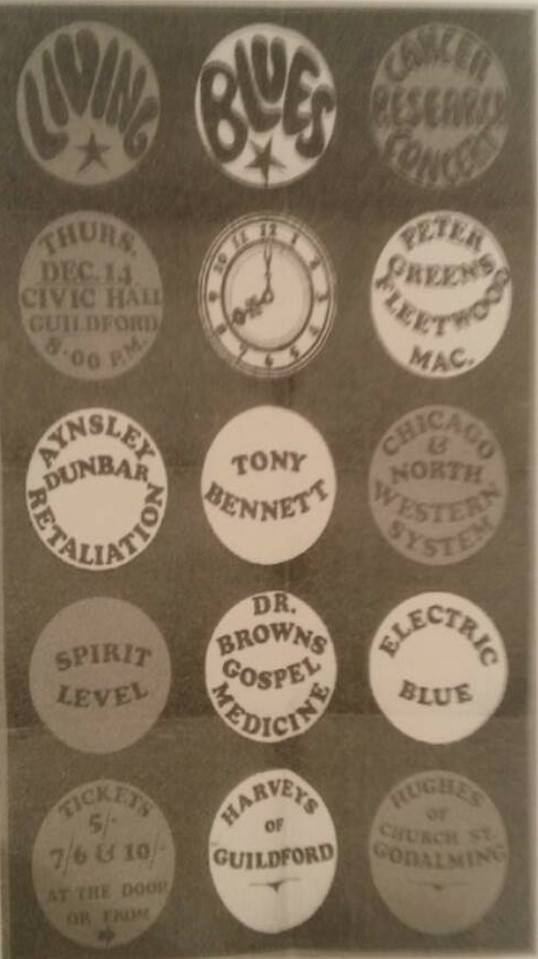
Picture courtesy of Ben’s Collectors Records Aynsley Dunbar Retaliation, Chicago Northwestern System, Chicken Shack, Chris Harding, Christine Perfect, Civic hall, Come To The Edge, Dr Brown's Gospel Medicine, Duster Bennett, Electric Blue, Fleetwood Mac, Guildford, Jeff Beck, Jeff Beck Group, Kevin Smith, Late Elite Package, Martin Dunsfold, Mayford, Neil Rice, Ono Yasumaro’s illumination Factory, Peter Green's Fleetwood Mac, Phil Page, Phil Plant, Poppa Ben Hook, Red Buddha Theatre, Roxi and the Blue Cats, Spirit Level, Stomu Yamash’tu, Tamla Tigers, The Late, Unicorn, Woody Woodmansey’s U-Boat, Youth Club -
Phillip Goodhand-Tait

(c’61-’80) Phillip Goodhand-Tait (piano / keyboards / vocals)

Goodhand Tait’s first band, back in his schooldays. Picture courtesy of Sheila Atkinson Singer-songwriter Goodhand-Tait was known as just Phil Tait in his years at Pewley, then George Abbot schools in Guildford when he lived on Bushy Hill Estate. While he’d dabbled with piano, playing by ear, he progressed to taking lessons from Guildfordian Frank J. Winslade. His first band was Phill Tone and the Vibrants, which became Phil Tone & the Midnighters, with Paul Demers (drums), Ivor Shackleton (guitar), and Michael Francis ‘Kirk’ Riddle (bass). They played their first gig at Eastleigh Town Hall, Hampshire on the 2 Sep ’61. The band went on to be called The Stormsville Shakers.
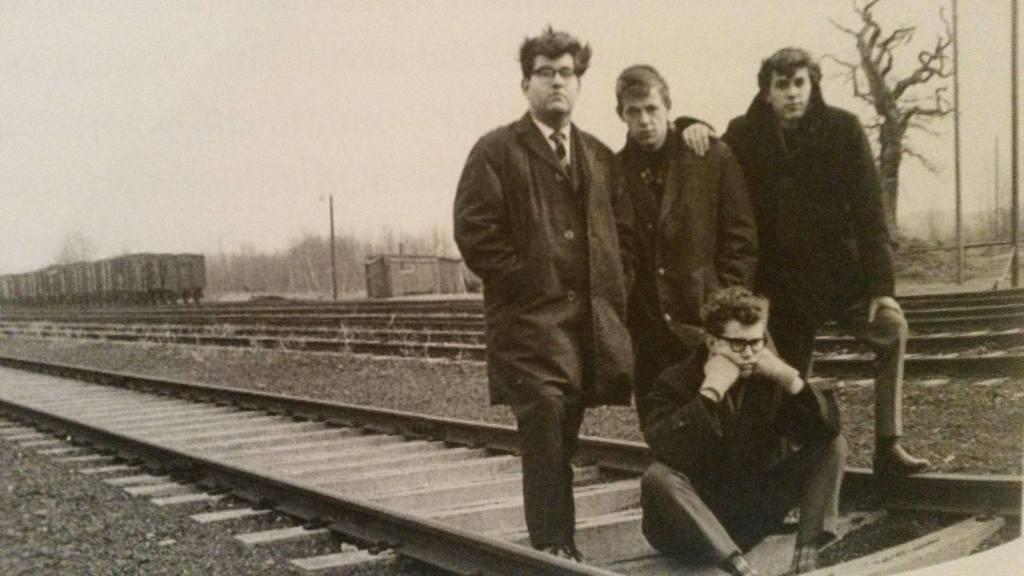
Philip Goodhand-Tait and the Stormsville Shakers. Year and location unknown. On 1 October ’64, the combined Farnborough Tech & R.A.E Rag Ball was held at RAE’s Assembly Hall and featured The Art Woods (Ronnie Woods eldest brother’s band), Reading based The Moquettes, and Goodhand-Tate and the Stormsville Shakers. It was while gigging with The Stormsville Shakers in ’66 that Goodhand-Tait signed a songwriting agreement with Dick James Music – he had become a songwriter for others including Love Affair. Also in ’66 he recorded the solo demo single “You Can’t Take Love”, b-sided by “J.C. Greasburger” – co-written by Stormsville members Riddle and David Sherrington – on Parlophone’s Demo “A” label [R 5547]. In ’67, with no further forward momentum for the Stormsville Shakers they reinvented themselves as Circus.
Goodhand-Tait left Circus on 1 Jan ’69 to start his solo career which was officially launched at the Cafe Royal later that month – This move owed a lot to his songs successes for other outfits. The self penned single, “Love Has Got Hold of Me”, backed by “Too Pleased to Help” on the Decca label [F12868] arrived the very next month. “Jeannie” followed the next year on DJM Records [DJS.230] taken from the “Rehearsal” album.
In early ’71 The Brew auditioned to be Goodhand-Tait’s backing band with one of their first duties being to back Goodhand-Tait for the broadcast of a Farnham gig in March ’71 on the long-running BBC Radio 2 overnight radio program “Night Ride”. 1971 also saw The Brew play on his “I Think I’ll Write A Song” album, but it failed to take off despite being named Kid Jensen’s “Hardrock Heavyweight” on Radio Luxembourg; and the trio, but not Goodhand-Tait, were dropped by the label.
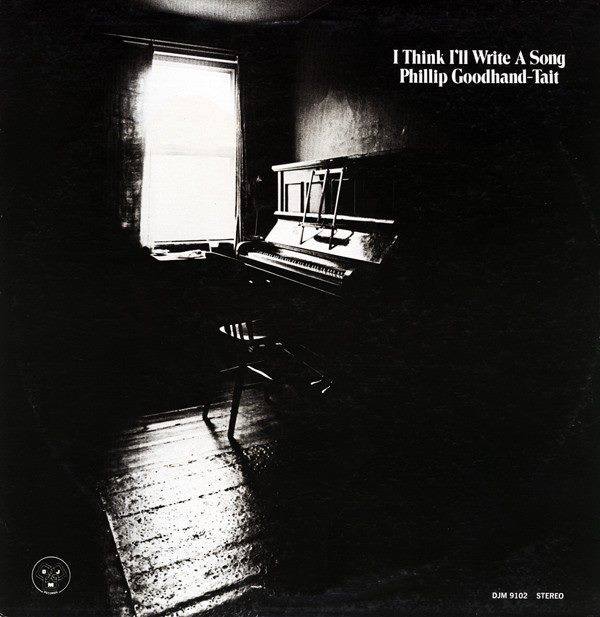
Front cover of Philip Goodhand-Tait’s 1971 “I Think I’ll Write A Song” which featured The Brew as his backing band. The Brew had been busy with Goodhand-Tait those few months in ’71, before they were replaced in September, with rehearsals, gigs at Hampstead Country Club, Southampton Guildhall supporting Edgar Broughton Band, the Assembly Hall, Aylesbury supporting the Groundhogs on 17 April ’71, and The Temple, London supporting Skin Alley and UFO on 23 April. This is only a sampling from April ’71, Goodhand-Tait was also recording at DJM Studios amongst the gigging. On 6 May ’71 he supported The Faces at Watford Town Hall; three nights later the group were at The Lyceum, London supporting Strawbs and Renaissance. That same year he wrote the soundtrack for the film “Universal Soldier” which stared George Lazenby and released three singles on DJM: “Oh,Rosanna” [DJS.236]; “Everyday” [DJS.261], and the Germany only released double a-side “Medicine Man” / “Sunrise Sunset” [10 967]. The first and last being taken from the “I Think I’ll Write A Song” album. On 6 Sept ’71 supporting East of Eden at Queen Elizabeth Hall, London; and he supported Stoneground at Friars, Aylesbury on 30 October 1971. Goodhand-Tate’s last excursion in ’71 was a supporting role to the Keef Hartley Band at Brunel University on 10 December. While ’71 was busy, it was rarely as the headliner.

Poster for ‘Universal Soldier’ The gigging, recording and rehearsing continued at a similar pace in ’72, but now with a new two piece backing ‘band’ comprised of Chas Cronk (bass) and Ernie Hayes (guitar). In March they supported Deep Purple for three nights in Denmark, then dates in Germany and the Netherlands with Elton John across March and into April (Elton cancelled the dates in Italy). The “Songfall” LP [DJLPS 425] landed in ’72, again on the DJM label. “City Streets” [DJS.268] was released early in ’72, followed by double a-sided “Leon” / “Everyday” from “Songfall”. “Leon” was later covered by Roger Daltry and Euson. In late September and throughout October ’72 he supported Lou Reed on most of the UK leg of the Transformer tour, visiting mostly universities and polytechnics: Manchester Polytechnic on 27 September, skipping St. Andrews, then Glasgow, Cambridge and Leicester on the 7, 13, and 14 October respectively; missing Oxford on 17 October; but back for The Stadium at Liverpool (19 October), Essex University (20 October), and Imperial College (21 October); there was an unlisted gig in Manchester, at Hard Rock Concert Theatre on 22 Oct. Goodhand-Tait then took a few days out to record a John Peel show on 24 October, returning to the tour in Oxford for another unlisted gig at the Polytechnic on 25 October. The tour closed out October with the Alhambra Rock Theatre, Birmingham (26 October), Leeds Polytechnic (27 October), Kingston Polytechnic (28 October), University of Southampton (29 October), and the Civic Hall, Dunstable (30 October). Notably the tour went into the following month with Goodhand-Tait joining Reed on stage at the Mile End Sundown Club with his band for “Sister Ray”, which was apparently used as the source for the “Some Kinda Love” LP, on the 1 November and the Pheasantry Club, London the following night. A quick trip to the US occurred in mid Nov ’72 to visit Columbia C.B.S. and Metro Media. The Peel Session he recorded while touring with Reed aired on 21 November ’72. A few days later, on 28 November, whispering Bob Harris introduced him on the Old Grey Whistle Test Episode #2.12.
His forth album in four years, and last on the DJM label, was the eponymous “Phillip Goodhand-Tait” [DJLPS 432]. DJM also put out two singles from the album, “You Are” [DJS 278] – later recorded by Gene Pitney – and “Warm Summer Rain” [6102 325] in the Netherlands. There was a third single, “Sugar Train” on the 20th Century Records label [TC-2059]; initially only available as promo, late in ’73 it was officially released. In September ’73 he also supported Family on their Farewell Tour, notably at The Rainbow Theatre, Finsbury Park on 22 September. This was followed by a seven city US tour in October ’73, with a new backing band consisting of Mick Underwood (drums) – who was replaced by Chico Greenwood in early ’74; De Lisle Harper (bass), and Ronnie Leahy (keyboards), including gigs with Jackson Brown and Bob Marley.

1 June 1974: Poster for Philip Goodhand-Tait, supported by Sheerwater, at Winter Gardens, Malvern. Source: www.malvernrockarchive.org.uk Fans had to wait until ’76 for the next album; “Oceans Away” [CHR 1113] on Chrysalis. The title track of which was picked up and released by both Daltry and Pitney. In the meantime DJM put out the singles “Almost Killed A Man” [DJS.295] in March ’74 and “Sweet Emotion” [DJS.601] in ’75 along with a best of album titled “Jingle Jangle Man” [DJLPS 453]. On 1 June ’74, thanks to Cherry Red, Goodhand-Tait headlined at Malvern Festival Theatre with Sheerwater supporting.
The next year the “Ocean’s Away” LP was released, and Chrysalis put out the “Oceans Away” [CHS 2100] and “Jewel” [CHS 2134] singles too. Within 12 months a second album on the Chrysalis label was released, “Teaching An Old Dog New Tricks” [CHR 1146], with the Muff Winwood – who’d also worked with Unicorn – produced 7″ singles “Angeltown” [CHS 2183] and “Don’t Treat Your Lover Like A Thief” [CHS 2169] coming in quick succession. But earlier in the year Goodhand-Tait had supported Chris de Burgh on the UK leg of his tour.
Another three year hiatus saw Goodhand-Tait dropped by Chrysalis and he created of his own, Ringwood, Hampshire based, Gundog Records. He released the “Good Old Phil’s” LP, on Gundog in ’80, as well as the single “Fly Me To The Sun”. He created no more albums, but did license, via Gundog, the release in ’83 of the 7″ “Heartbeat” on RCA in Germany; “He’ll Have To Go” on Instant Records [IS 1506] in ’84; and “Everyday” [AIRPROMO-034] as a promo on AIRAC in 2003 in Japan.
In addition to the tracks covered by other artists mentioned above: Daltrey also covered “Parade”; Zoot Money recorded “No One But You”; and Love Affair did their best with “Bringing on Back the Good Times”, “A Day Without Love”, “One Road” and “Baby I Know”. The Span TV label put out a compilation of the two Chrysalis LPs, imaginatively titled “Oceans Away & Teaching An Old Dog New Tricks” [PGT 003] in ’98. Three further compilations pulled on his time with The Stormsville Shakers and a Shakers reunion gig (which was followed by other bookings) with original members in 2003 marked the closing of the Civic Hall, Guildford. The first compilation was Angel Air Records’ “Phillip Goodhand-Tait & The Stormsville Shakers: 1965 & 1966 / Ricky-Tick…40 Years On” [SJPCD256] in 2008. The second, “Phillip Goodhand-Tait And The Stormsville Shakers – 1965-1967 [AIRAC-1652] on the Air Mail Archive label was released in 2012. Finally RPM Records’ “The Stormsville Shakers And Circus With Phillip Goodhand-Tait – One And One Is Two – Complete Recordings 1965-1967” [RETRO967] appeared in 2015.
Gallery:

Review in Sounds from Sundown Edmonton gig on 29 Sept 1972 supporting Lou Reed. 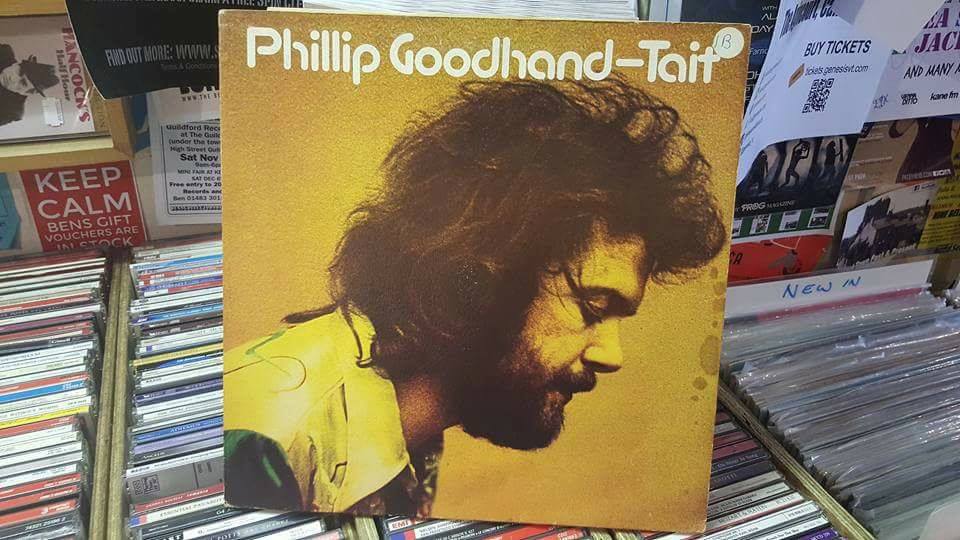
1973’s “Phillip Goodhand-Tait” album. Picture courtesy of Ben’s Collectors Records. 
6 May 1971 supporting The Faces at Watford Town Hall 
Back cover of Philip Goodhand-Tait’s 1971 “I Think I’ll Write A Song” which lists the members of The Brew as Goodhand-Tait’s backing band. 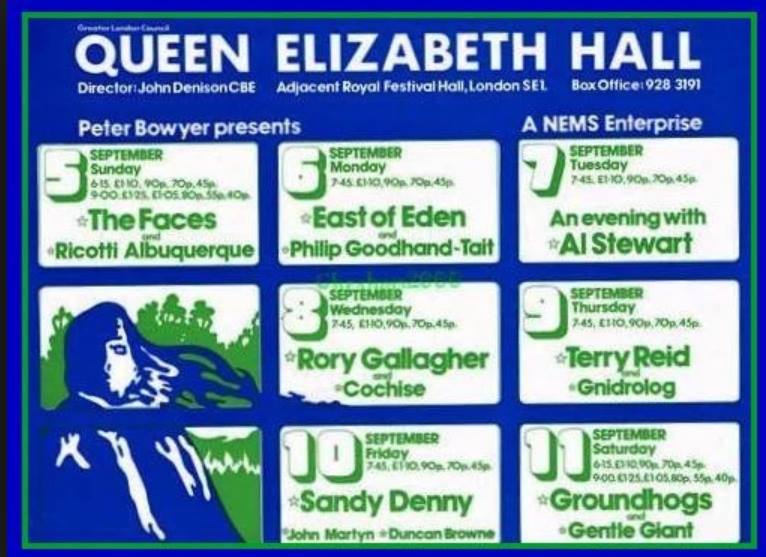
6 Sept 1971 supporting East of Eden at Queen Elizabeth Hall, London 
9 May 1971 supporting Strawbs and Renaissance at The Lyceum. 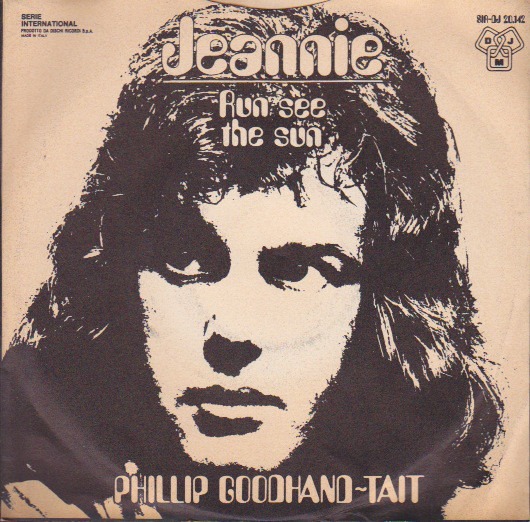
“Jeannie” from 1970 
“Medicine Man” single from 1971 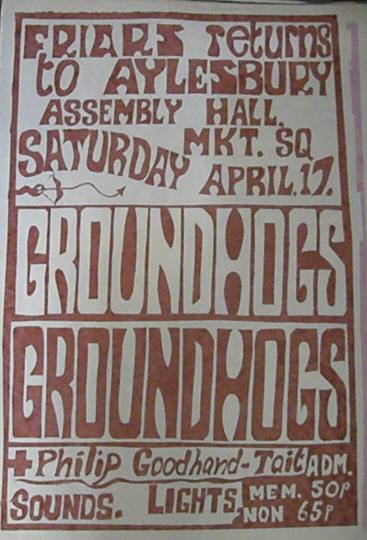
17 April 1971 Philip Goodhand-Tait supported the Groundhogs at Aylesbury Assembly Hall. 
23 April 1971 Philip Goodhand-Tait supported Skin Ally and UFO at The Temple, London 
22 Sept 1973 at PGT supported Family at Rainbow Theatre, Finsbury Park. 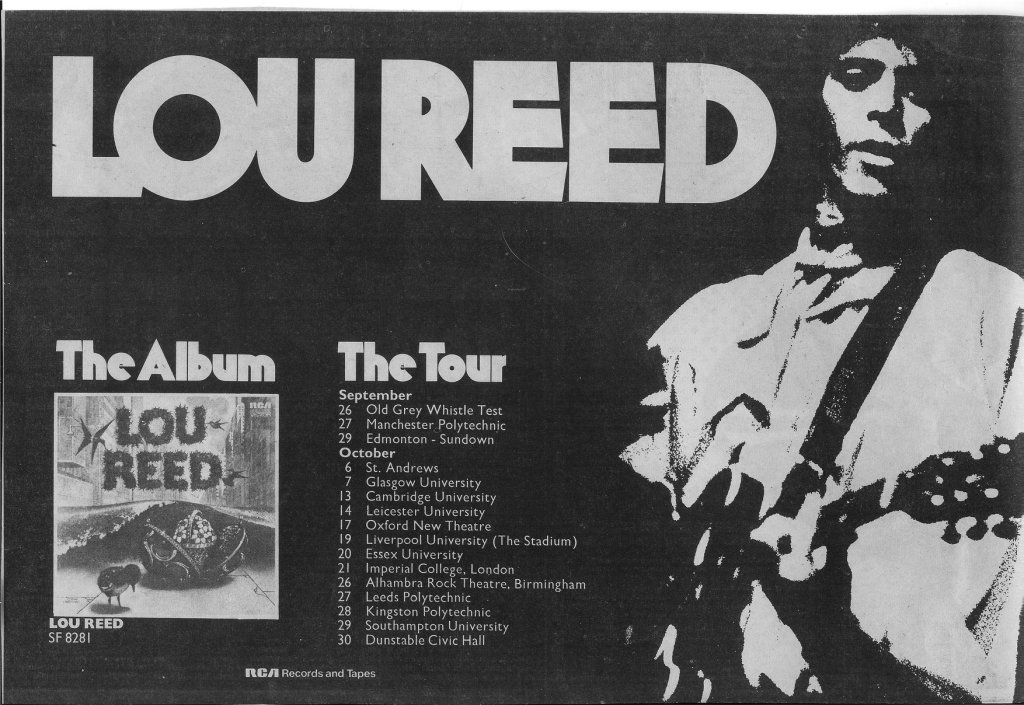
PGT supported Lou Reed on his UK University tour in ’72 
1972 
1972 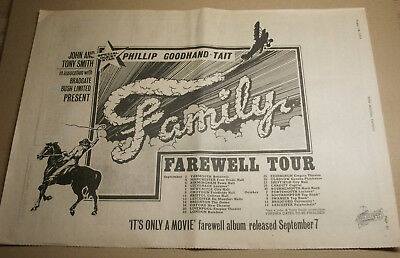
Philip Goodhand Tait supported Family on their 1973 Farewell Tour. 
Picture courtesy of Ben’s Collectors Records. 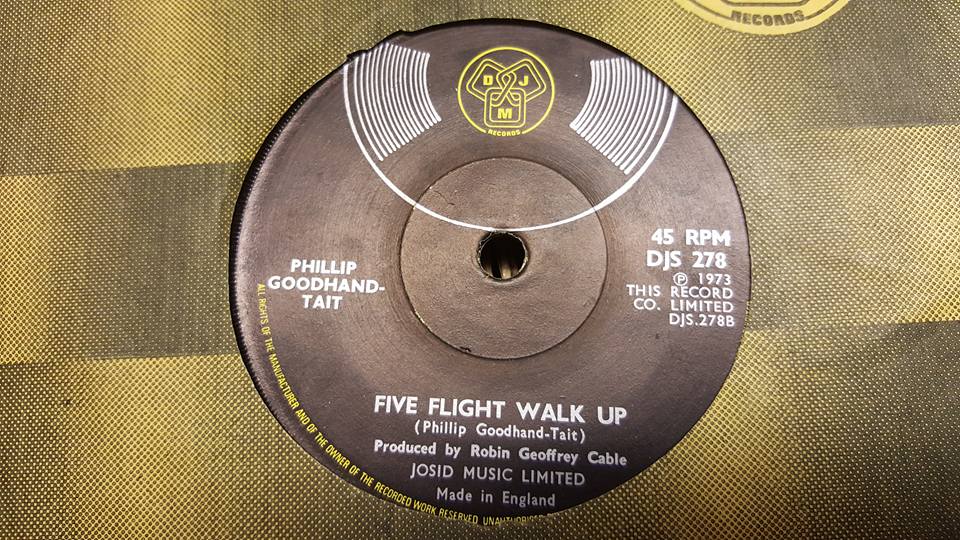
Picture courtesy of Ben’s Collectors Records. 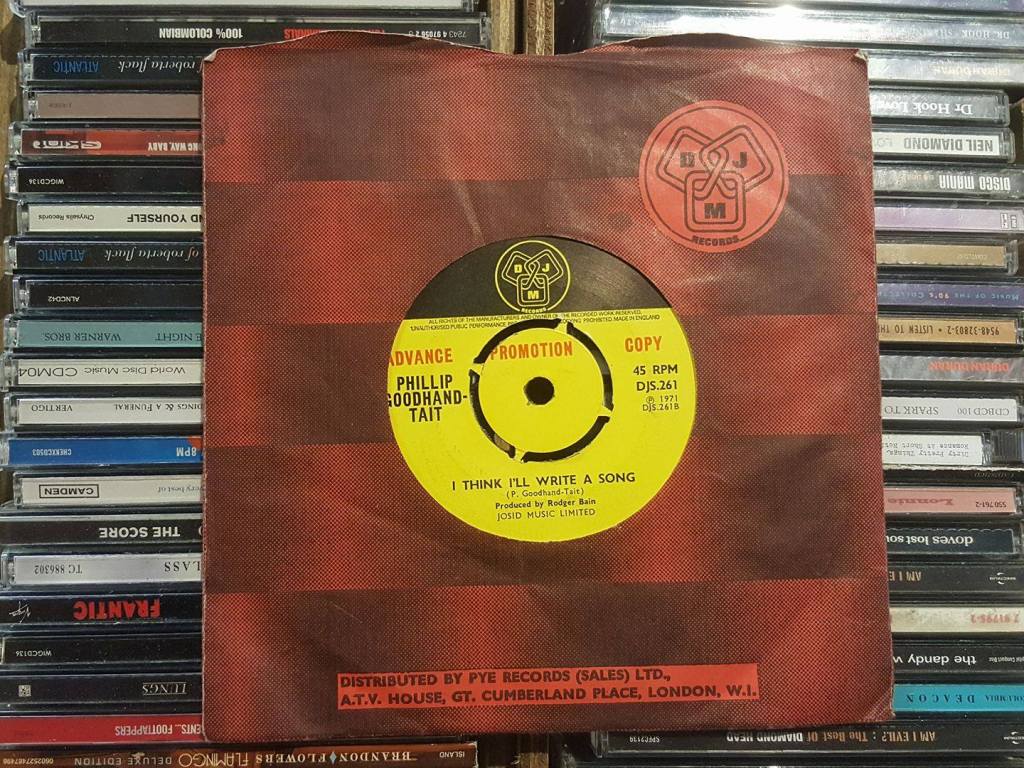
B-side of rare demo copy of 1971 single: “I Think I’ll Write a Song” by Philip Goodhand-Tait. Picture courtesy of Ben’s Collectors Records. 
Rare demo copy of 1971 single: “I Think I’ll Write a Song” by Philip Goodhand-Tait. Picture courtesy of Ben’s Collectors Records. 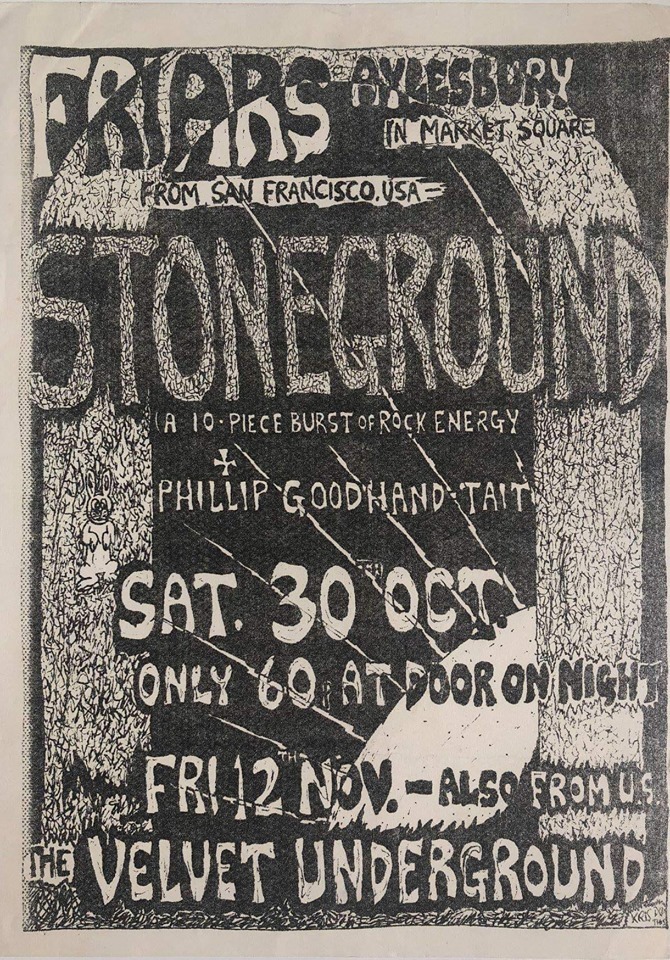
Goodhand-Tait supported Stoneground at Friars, Aylesbury on Saturday 30th October 1971. Picture courtesy of Ben’s Collectors Records. 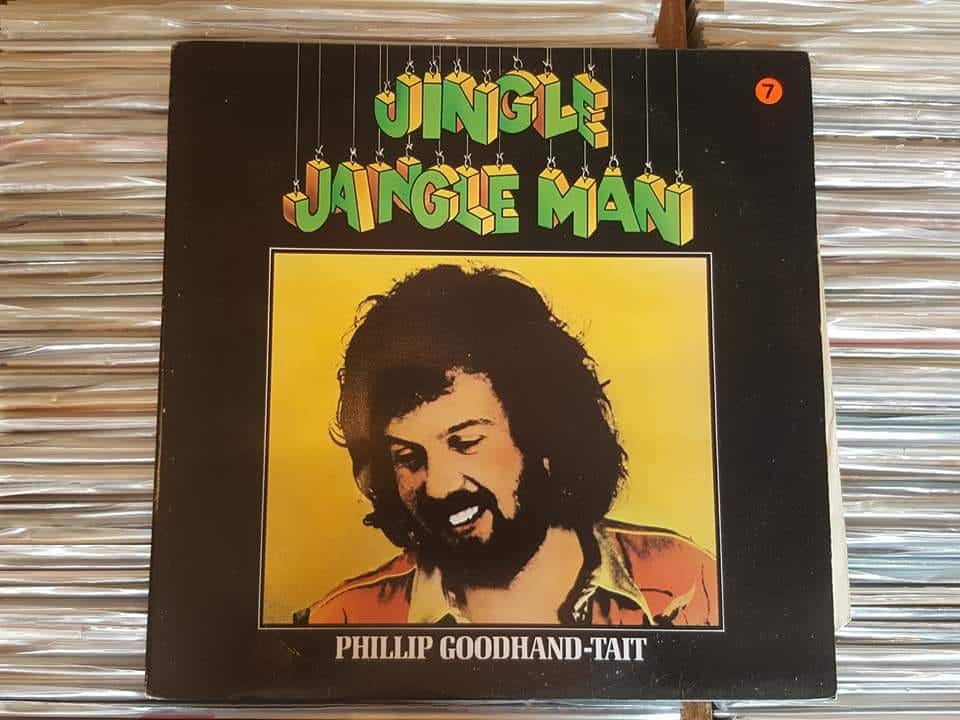
1975’s “Jingle Jangle Man” [DJLPS 453] best of album. Picture courtesy of Ben’s Collectors Records. 
Phillip Goodhand Tait is interviewed by Bill McAllister for Record Mirror, published on 5 June 1971. 
1 June 1974: Poster for Philip Goodhand-Tait, supported by Sheerwater, at Winter Gardens, Malvern. Source: www.malvernrockarchive.org.uk 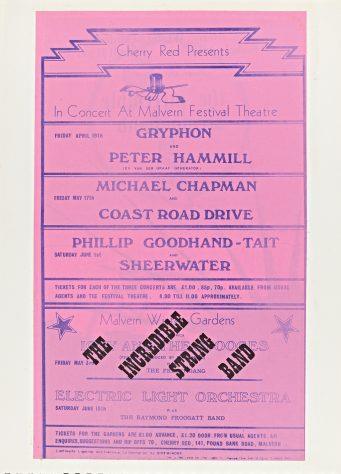
1 June 1974: Poster for Philip Goodhand-Tait, supported by Sheerwater, at Winter Gardens, Malvern. Source: www.malvernrockarchive.org.uk 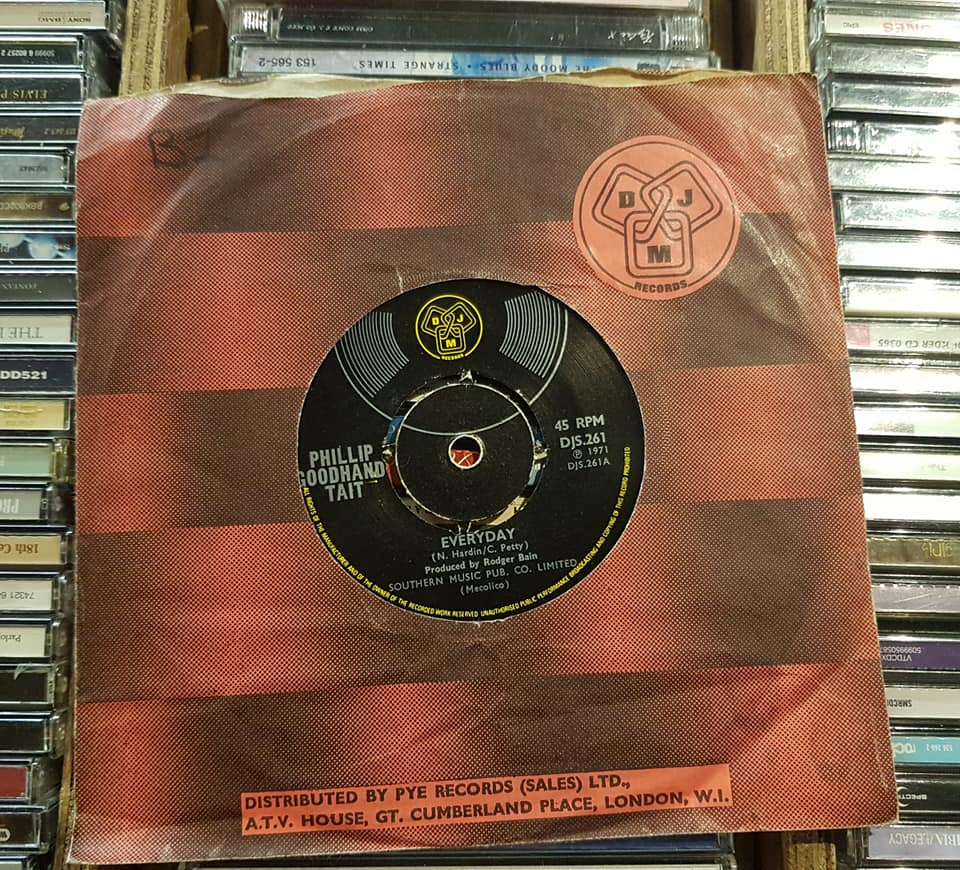
Phillip Goodhand-Tait’s “Everyday” 7″ single on DJM Records [DJS.261], released in 1971. Picture courtesy of Ben’s Collectors Records. 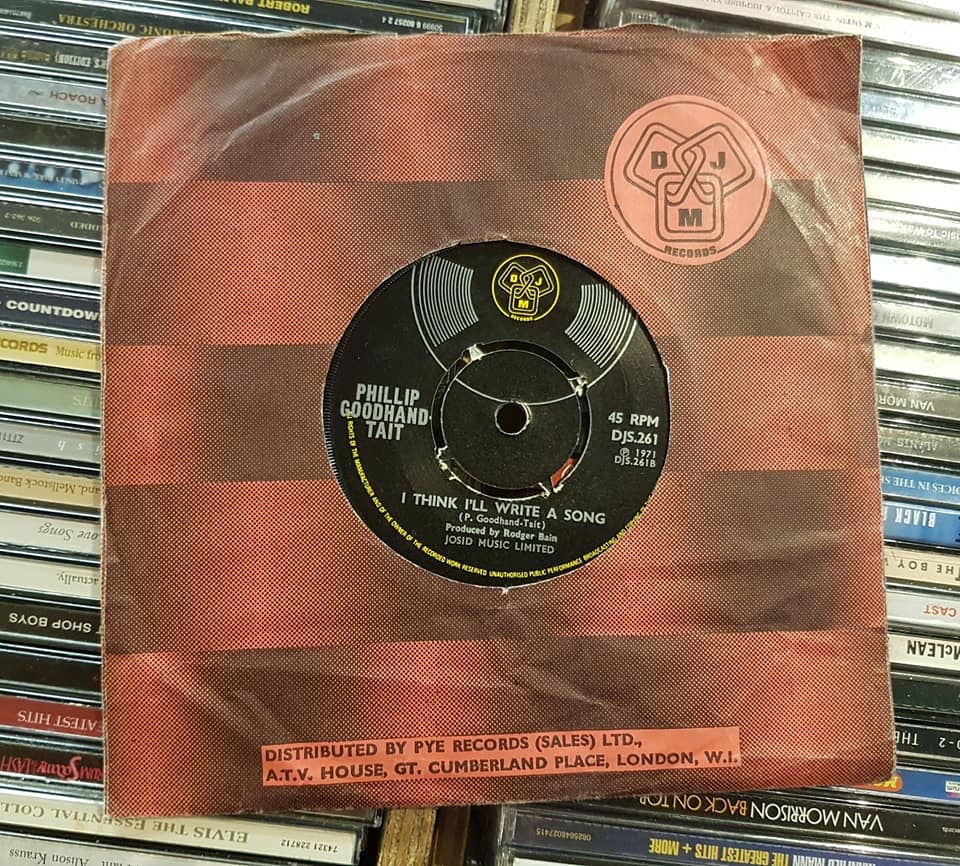
B-side of Phillip Goodhand-Tait’s “Everyday” 7″ single on DJM Records [DJS.261], released in 1971, carrying “I Think I’ll Write A Song”. Picture courtesy of Ben’s Collectors Records. 
10 December 1971: Brunel University Ents advert for the Keef Hartley Band supported by Phillip Goodhand-Tate from Melody Maker 11 December 1971. 20th Century Records, Air Mail Archive, AIRAC, Alhambra Rock Theatre, Angel Air Records, Assembly Hall, Aylesbury, BBC Radio 2, Birmingham, Bob Harris, Bob Marley, Brunel University, Bushy Hill Estate, C.B.S., Cafe Royal, Cambridge, Chas Cronk, Cherry Red, Chico Greenwood, Chris de Burgh, Chrysalis, Circus, Civic hall, Columbia, Country Club, De Lisle Harper, Decca, Deep Purple, Denmark, Dick James Music, DJM Records, DJM Studios, Dunstable, East of Eden, Eastleigh, Edgar Broughton Band, Elton John, Ernie Hayes, Essex University, Euson, Family, Farnborough, Farnham, Finsbury Park, Frank J. Winslade, Friars, Gene Pitney, George Abbott, George Lazenby, Germany, Glasgow, Groundhogs, Guildford, Guildhall, Gundog Records, Hampshire, Hampstead, Hard Rock Concert Theatre, Imperial College, Instant Records, Ivor Shackleton, Jackson Brown, John Peel, Keef Hartley Band, Kid Jensen, Kingston Polytechnic, Leeds Polytechnic, Leicester, Liverpool, London, Lou Reed, Love Affair, Lyceum, Malvern Festival Theatre, Manchester, Manchester Polytechnic, Metro Media, Michael Riddle, Mick Underwood, Mile End, Muff Winwood, Netherlands, Night Ride, Old Grey Whistle Test, Oxford, Oxford Polytechnic, Parlophone, Paul Demers, Pewley, Pheasantry Club, Phil Tait, Phil Tone & The Midnighters, Phill Tone and the Vibrants, Phillip Goodhand-Tate, Queen Elizabeth Hall, R.A.E, R.A.E. Assembley Hall, Radio Luxembourg, RCA, Renaissance, Ringwood, Roger Daltry, Ronnie Leahy, RPM Records, Sheerwater, Skin Alley, Southampton, Span TV, Stoneground, Stormsville Shakers, Strawbs, Sundown Club, Technical College, The Art Woods, The Brew, The Faces, The Moquettes, The Rainbow Theatre, The Stadium, The Stormsville Shakers, The Temple, Town Hall, UFO, Unicorn, Universal Soldier, University of Southampton, Watford, Zoot Money -
The Sleep

(c.’81-’82/’83) – Dave King (guitar), “Big” John Preston (Bass), Mark McKenzie (vocals), and Dave Cheke (drums).
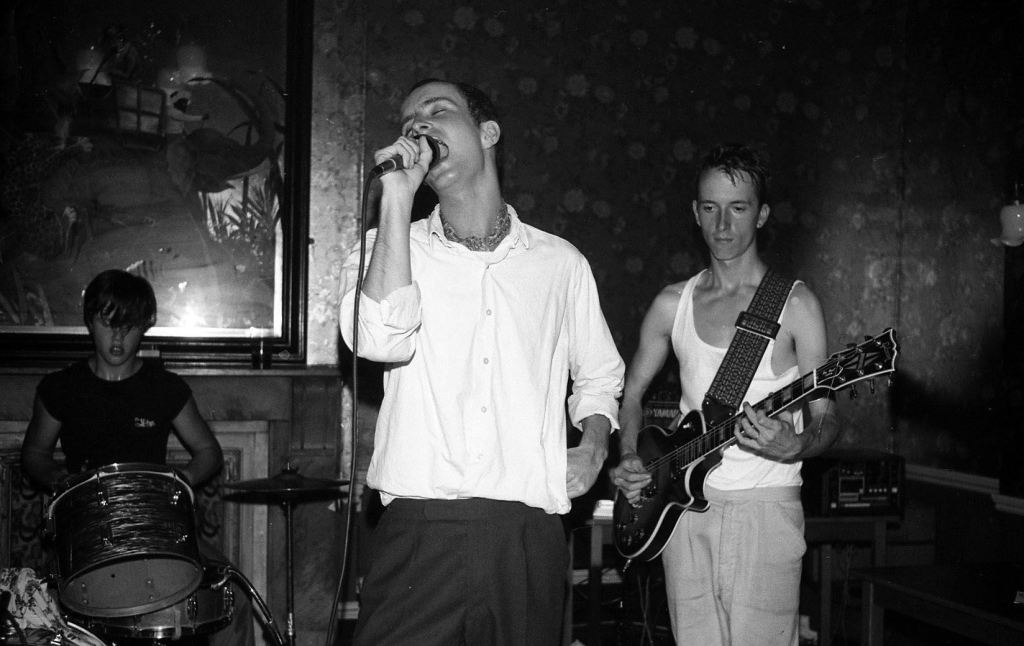
The Sleep at the Star in August/September 1981 Picture courtesy of Fred Pipes This Woking based band, managed by Dave Tiffen – who did publicity and organized gigs – had been originally called the Tel Aviv Quartet. The Sleep produced and released an 8-track demo cassette on which they covered Tim Buckley’s “Dolphins”.
The Tel Aviv Quartet reinvented themselves over January ’81 and emerged as The Sleep in late January ’81 with a maiden gig under the new monica at The Cricketers, Westfield on 7 February ’81 followed by an appearance at Snoopy’s, Richmond five days later, on 12 February. When the Civic Hall, Guildford hosted The Jam on 7 July ’81, The Sleep supported. The band also played The Star, Guildford in August or September ’81, where they were photographed by Fred Pipes for the Barbed Wire fanzine. They also supported The Birthday Party, along with Imperfect Hold, at University of Surrey, Guildford on 24 October ’81, at which Nick Cave puked on stage.
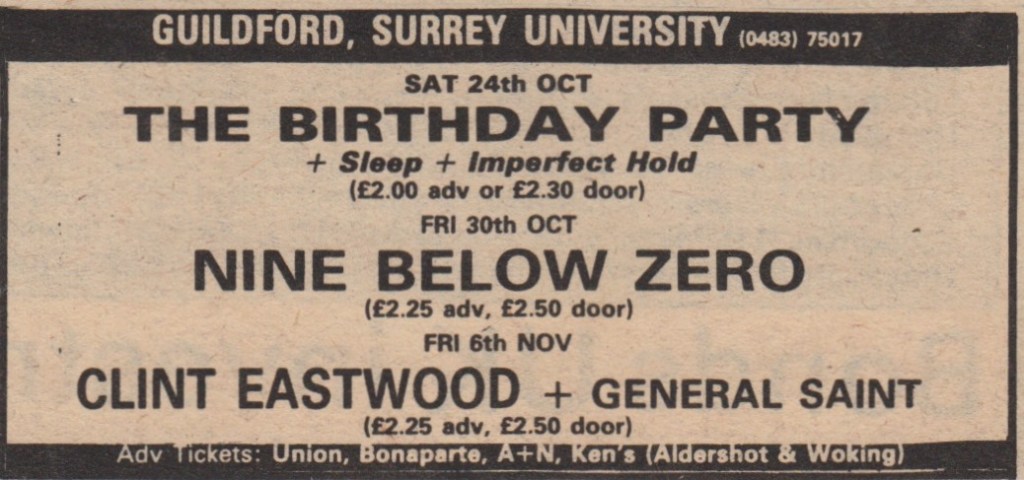
24 Oct 1981: The Sleep and Imperfect Hold supported The Birthday Party at University of Surrey. Picture reproduced with permission of From The Archives Guitarist King was also the drummer in Basic Essentials, who were also managed by Tiffen and gets credit for some of that band’s lyrics. Cheke got together with Chris Searle (guitar), Andy Clarke (drums), and Paul Slydell (bass) of White Colours to form In Motion.
Tracks:
Gallery:

The Sleep featured in Sounds ‘Tour News/Dates’ column on 31 January 1981. Image courtesy of Pete Cole 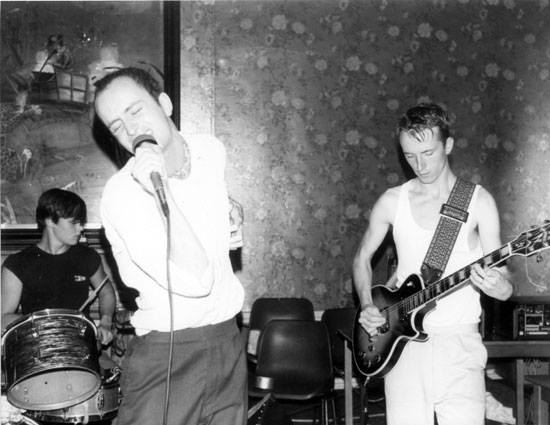
The Sleep at the Star in August/September 1981 Picture courtesy of Fred Pipes 
The Sleep at the Star in August/September 1981 Picture courtesy of Fred Pipes 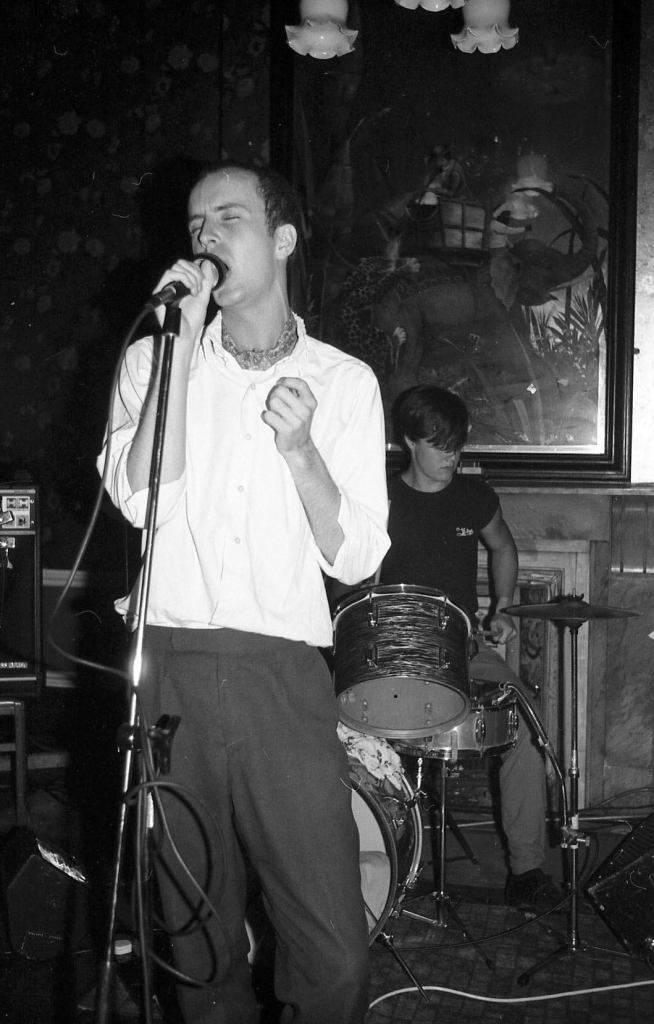
The Sleep at the Star in August/September 1981 Picture courtesy of Fred Pipes 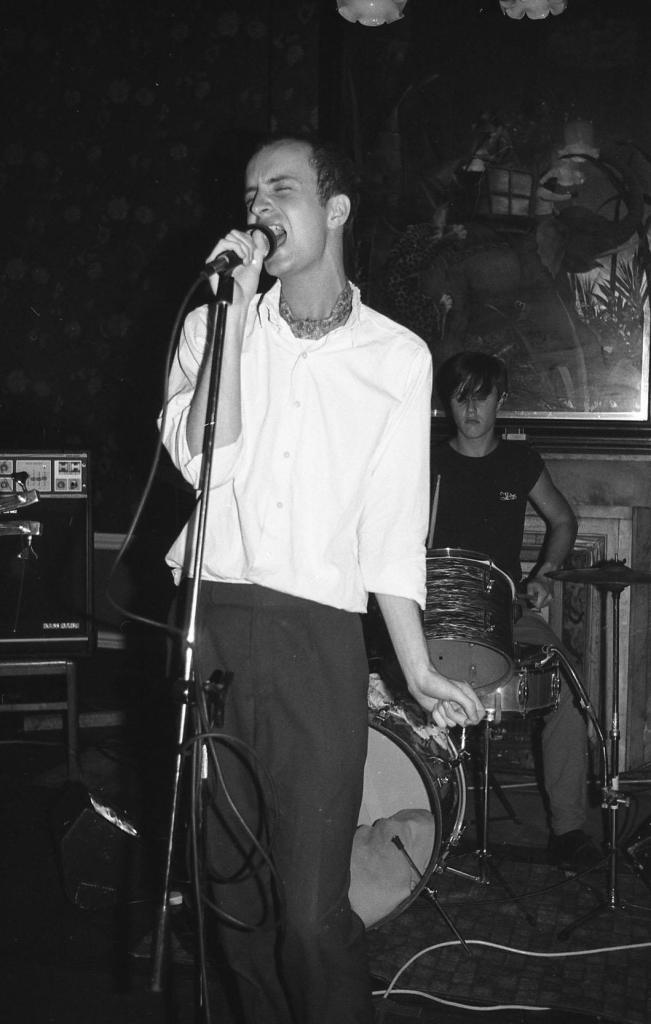
The Sleep at the Star in August/September 1981 Picture courtesy of Fred Pipes 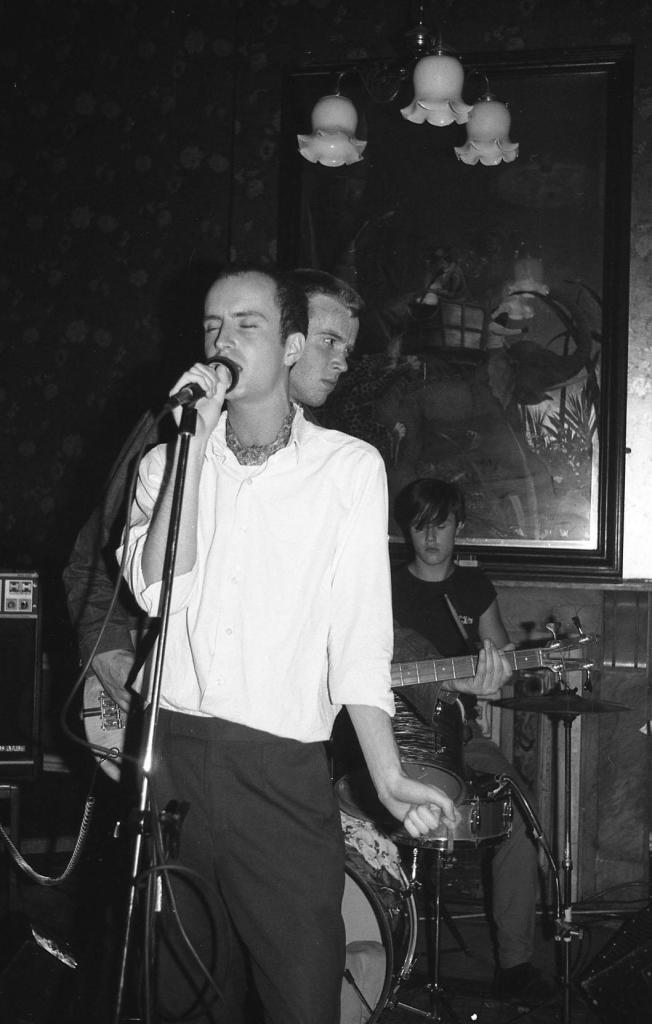
The Sleep at the Star in August/September 1981 Picture courtesy of Fred Pipes 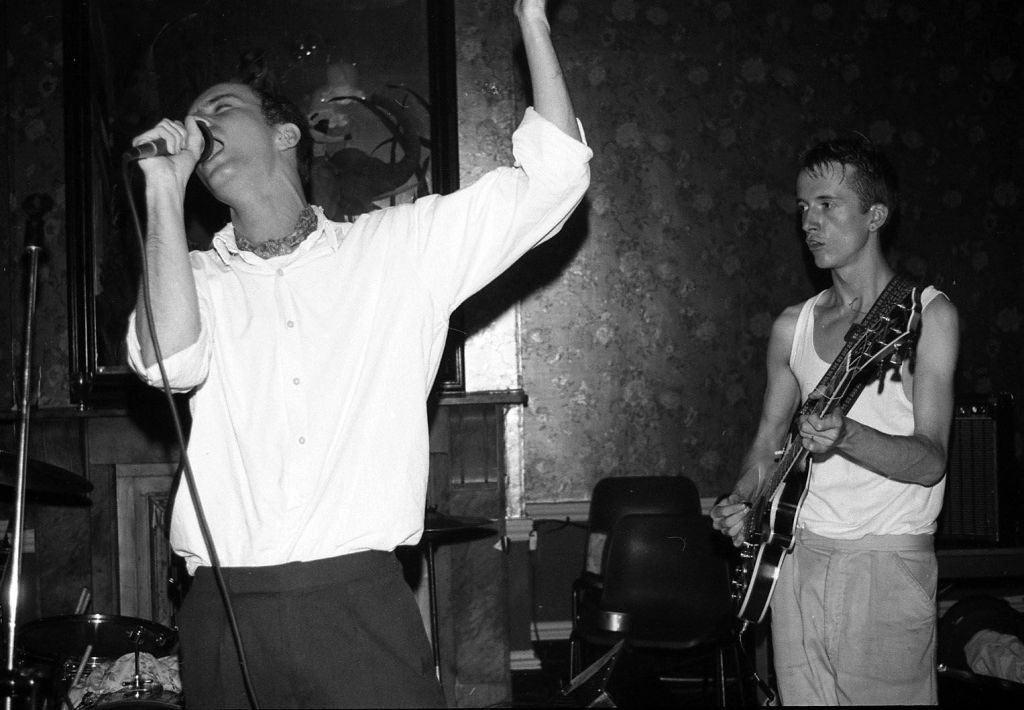
The Sleep at the Star in August/September 1981 Picture courtesy of Fred Pipes 
The Sleep at the Star in August/September 1981 Picture courtesy of Fred Pipes 
24 October 1981: Ticket for The Birthday Party supported by The Sleep at University of Surrey 
The lyrics to The Sleep’s “Bitch” from page 2 of the Bitch Bitch No.1 fanzine. Picture courtesy of John Hudson Andy Clarke, Barbed Wire, Basic Essentials, Chris Searle, Civic hall, Dave Cheke, Dave King, Dave Tiffen, Guildford, Imperfect Hold, In Motion, John Preston, Mark McKenzie, Nick Cave, Paul Slydell, Richmond, Snoopy's, Tel Aviv Quartet, The Birthday Party, The Cricketers, The Jam, The Sleep, The Star, Tim Buckley, University of Surrey, Westfield, White Colours, Woking -
Rockit Men

(c’89-?) – Ben Darnton (drums), Chris Turner (vocals / guitar), and Steve Keen (bass).
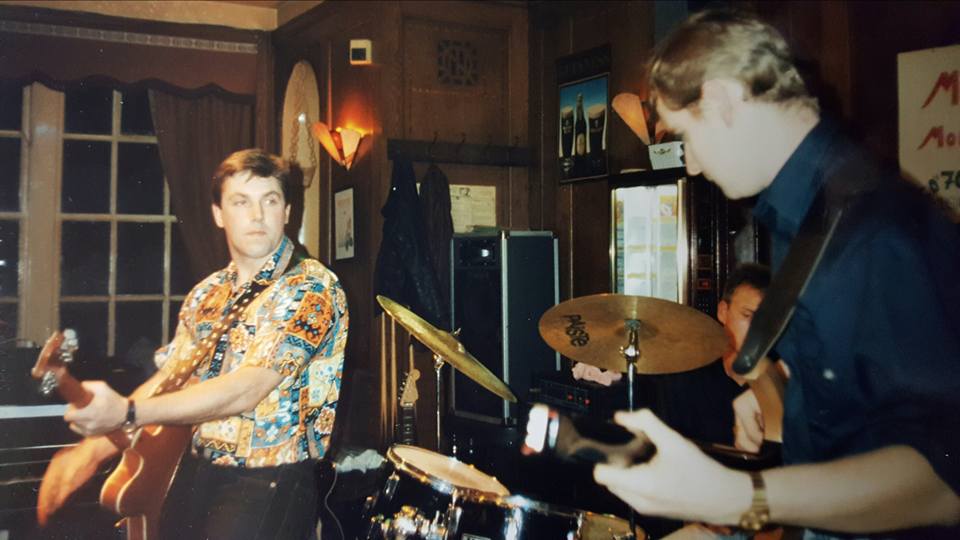
Rockit Men at the White Lyon, Worplesdon 1989. Picture courtesy of Ben’s Collectors Records This sound 3-piece covered the likes of Iggy Pop to Buddy Holly; with ex-Dark Paradise Turner pitching the collaboration, that included ex-The Flying Tigers‘ and ex-The Bunkers Darnton and Keen as a “good pub band, good entertainment”.
The band’s first gig was at The Cricketers, Farncombe in ’89. The Rockit Men were also rocking it at The White Lyon, Worplesdon in ’89 and appeared at The Lion Brewery, Ash a few times. On 16 December ’89 the band played The Compasses Inn, Gomshall.

The Rockit Men at Lion Brewery, Ash at Christmas. Picture courtesy of Ben’s Collectors Records The Rockit Men rocked the White Hart, Farncombe again on 21 January ’90 with the band back at The Lion Brewery, Ash on 17 March ’90. The White Hart, Farncombe welcome the trio back on 18 March ’90. On 26 April ’91 they played Flicks, Guildford; returning on 30 June for the princely sum of 60 quid; and back again the month after on 26 July ’91 to support Yellow Darkness at the Guildford venue.
While all the members of Rockit Men would appear in The Flying Tigers at some point; Turner and Darnton both performed as two thirds of Wildfire in parallel to being Rockit Men. Turner, as well his stint with Dark Paradise, had been in ‘Arf Cut.
Gallery:

Rockit Men at the White Lyon, Worplesdon 1989. Picture courtesy of Ben’s Collectors Records 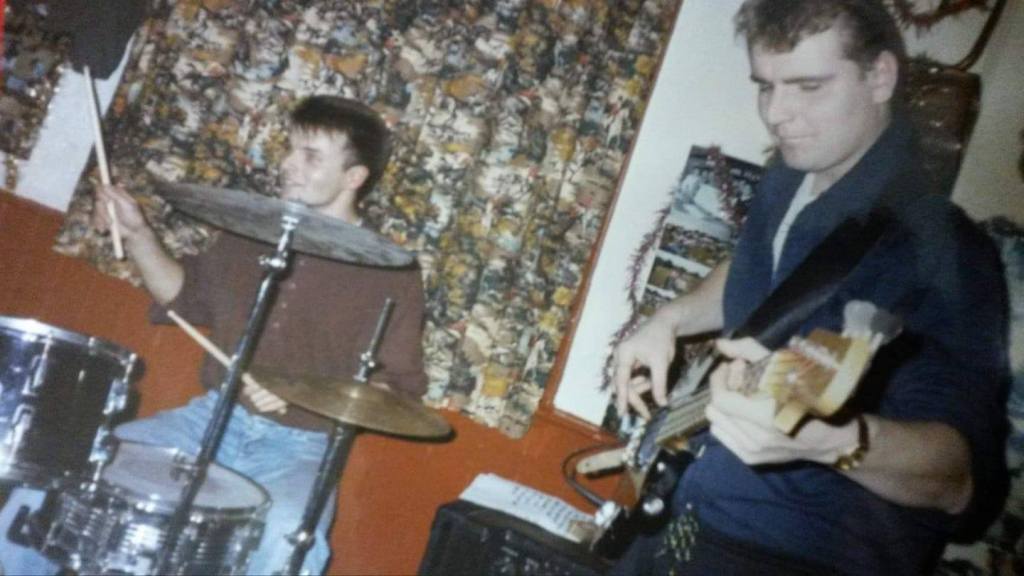
The Rockit Men at Lion Brewery, Ash at Christmas. Picture courtesy of Ben’s Collectors Records 
Dylan reviews the bands first gig at The Cricketers, Farncombe. Picture courtesy of Ben’s Collectors Records 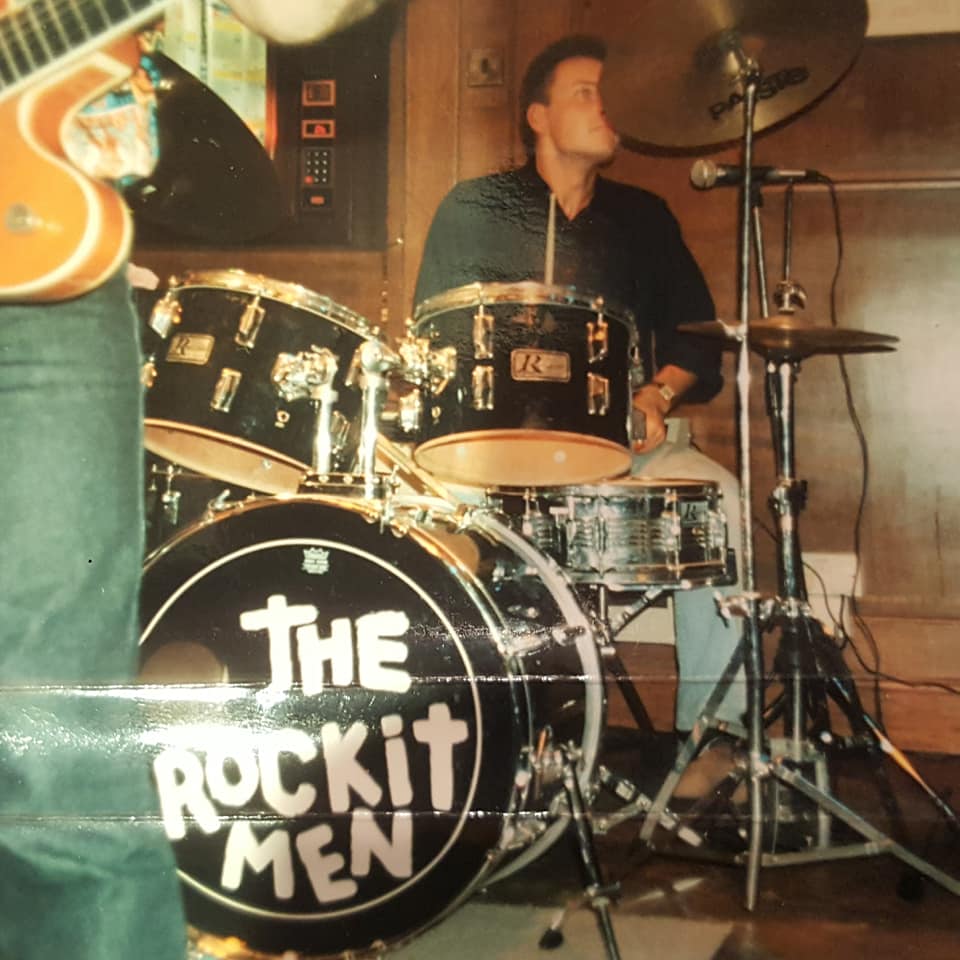
Picture courtesy of Ben’s Collectors Records 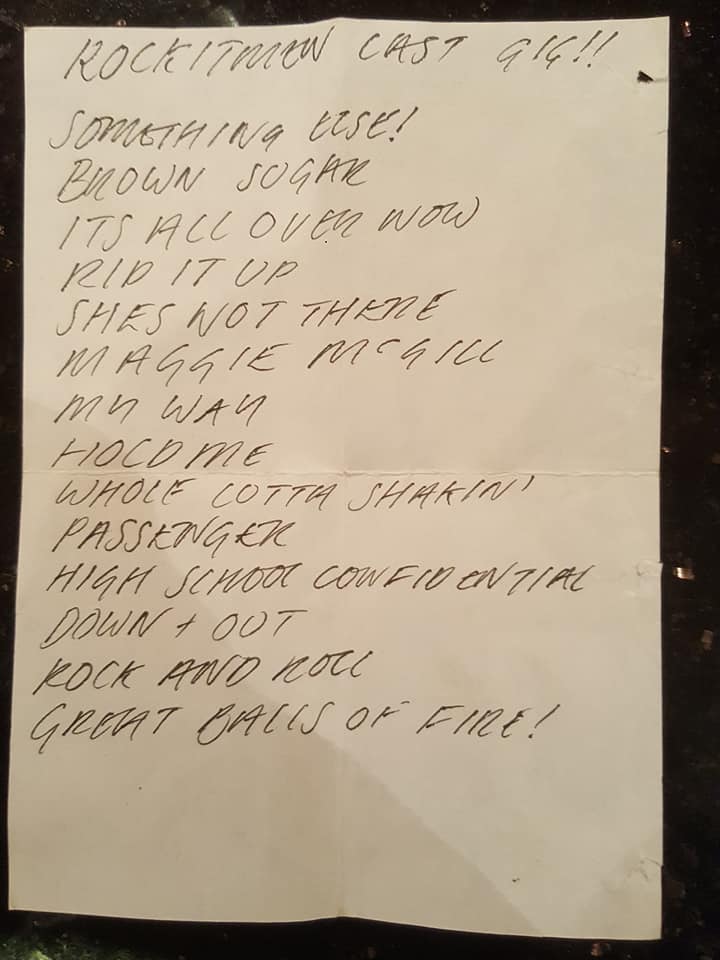
Set List for Rockit Men’s last gig. Picture courtesy of Ben’s Collectors Records 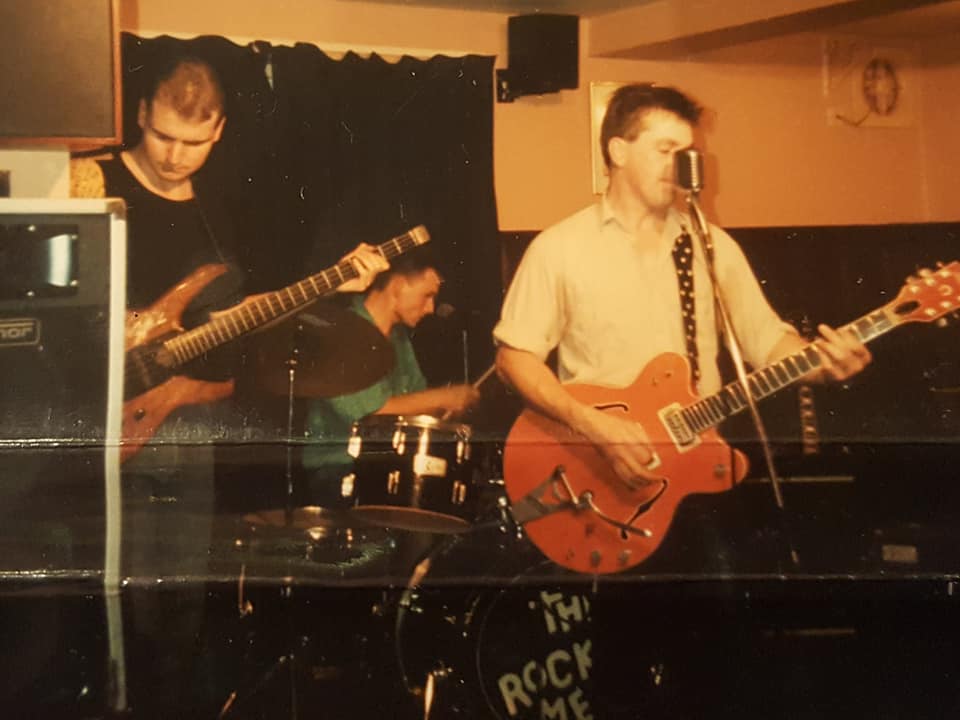
Picture courtesy of Ben’s Collectors Records 
16 December 1989: Gig List (from unknown local rag) puts Rockit Men at The Compasses, Gomsall. Picture courtesy of Ben’s Collectors Records 
17 & 18 March 1990: Rockit Men were at Lion Brewery, Ash and White Hart, Farncombe respectively. Picture courtesy of Ben’s Collectors Records 
21 January 1990: Rockit Men rocked the White Hart, Farncombe. Picture courtesy of Ben’s Collectors Records 
30 May 1991: Rockit Men received 60 quid for playing Flicks, Guildford. Picture courtesy of Ben’s Collectors Records 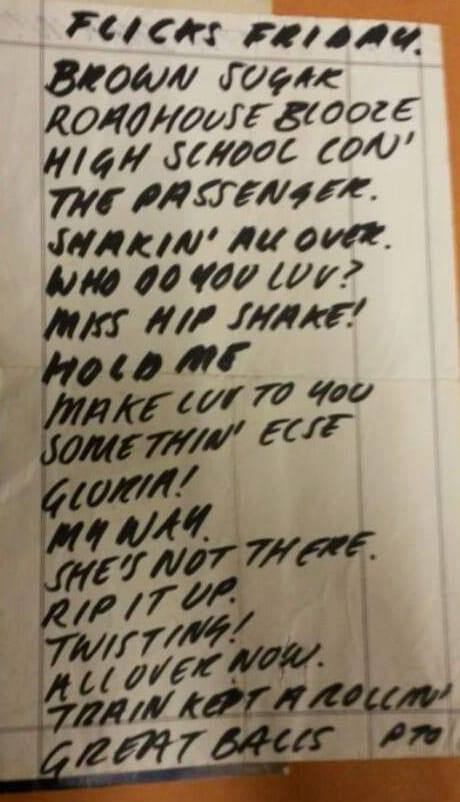
26 April 1991: The Rockit Men’s setlist for Flicks, Guildford. Guildford. Picture courtesy of Ben’s Collectors Records 
26 April 1991: Rockit Men were at, the old cinema, Flicks, Guildford. Picture courtesy of Ben’s Collectors Records 
26 July 1991: Gig Listing (from unknown local rag) has the Rockit Men supporting Yellow Darkness at Flicks, Guildford. Picture courtesy of Ben’s Collectors Records -
Funtime

(c’82-’85) – Kaz Jones (sax/piano), Andi McInnes (vocals/bass), and Pete Martin (guitar).

Funtime gigging at Dunsfold Barn in November ’84. (LtoR: Patterson (drums), Jones (sax), and Martin (guitar). Picture courtesy of Kaz Jones This Guildford 3-piece, influenced by early Birthday Party, The Cramps, and The Gun Club, were joined by Xan Phillips (bass), Ian ‘Patsy’ Patterson (drums) and Nigel Spaughton (guitar) and sometimes Poodle (guitar) to flesh-out the sound when performing live. The band rehearsed in a storeroom on Walnut Tree Close, and at the same house as Just So Stories – in which Jones was a member – and UBz; a squat on Llannaway Road, Godalming.
Over the 27 to 28 May ’84 the band recorded three track at Livingstone Studios, Wood Green, London: “And If…Stolen”, “Pool of Laughter” and “Tailfin Boulevard”. These were produced and engineered was Tony ‘Nod’ Harris who subsequently went on to produce/engineer the likes of The Jesus and Mary Chain, Yazz, Coil, X-Ray Spex, Sisters of Mercy and REM.
In November ’84 the band played at a Dunsfold Barn and later in the year supported LongPig at The Royal, Guildford on Christmas Eve 1984.
Jones would later be found performing with Casual Sax, Holy Durex, and Steel Bill & the Buffalos. McInnes had come from Disruptive Patterns and was also in Imperfect Hold and was the designer for The Vapors “Turning Japanese” single cover.
Tracks:
Gallery:

Funtime’s Pete Martin during a recording session at Livingston Studios. Picture courtesy of Kaz Jones 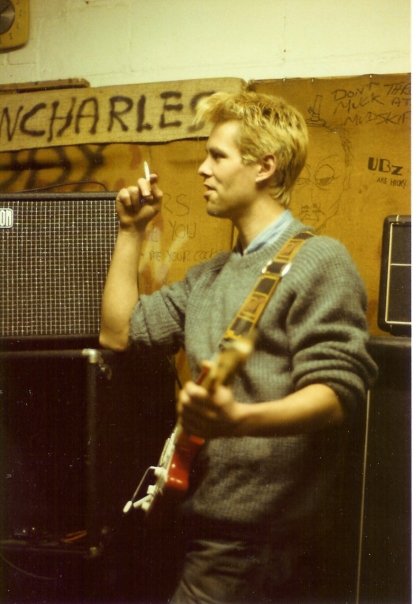
Funtime’s Nigel Spaughton rehearsing in Godalming. Picture courtesy of Kaz Jones 
Funtime’s Ian “Patsy” Patterson rehearsin in the storeroom on Walnut Tree Close. Picture coutesy of Kaz Jones 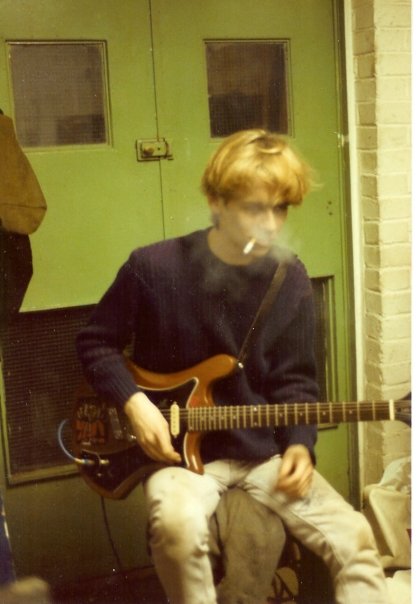
Funtime’s Pete Martin rehearsing in the storeroom on Walnut Tree Close. Picture coutesy of Kaz Jones 
24 December 1984: Funtime playing The Royal, Guildford; supporting LongPig. Picture courtesy of Andy Davis 
24 December 1984: Kaz Jones of Funtime, supporting LongPig at The Royal, Guildford. Picture courtesy of Kaz Jones Andi McInnes, Casual Sax, Coil, Disruptive Patterns, Funtime, Godalming, Holy Durex, Ian Patterson, Imperfect Hold, Just So Stories, Kaz Jones, Livingstone Studios, London, LongPig, Nigel Spaughton, Pete Martin, R.E.M., Sisters of Mercy, Steel Bill & the Buffalos, The Jesus and Mary Chain, The Royal, The Vapors, Tony Harris, UBz, Wood Green, X-Ray Spex, Xan Phillips, Yazz -
Luxury Glass Town

(c’81) – David Rose (guitar/vocals/mandolin), John Hudson (bass/vocals/stylophone), Jamie Legg (drums), and Neil “Fingers” Henderson (keyboards).
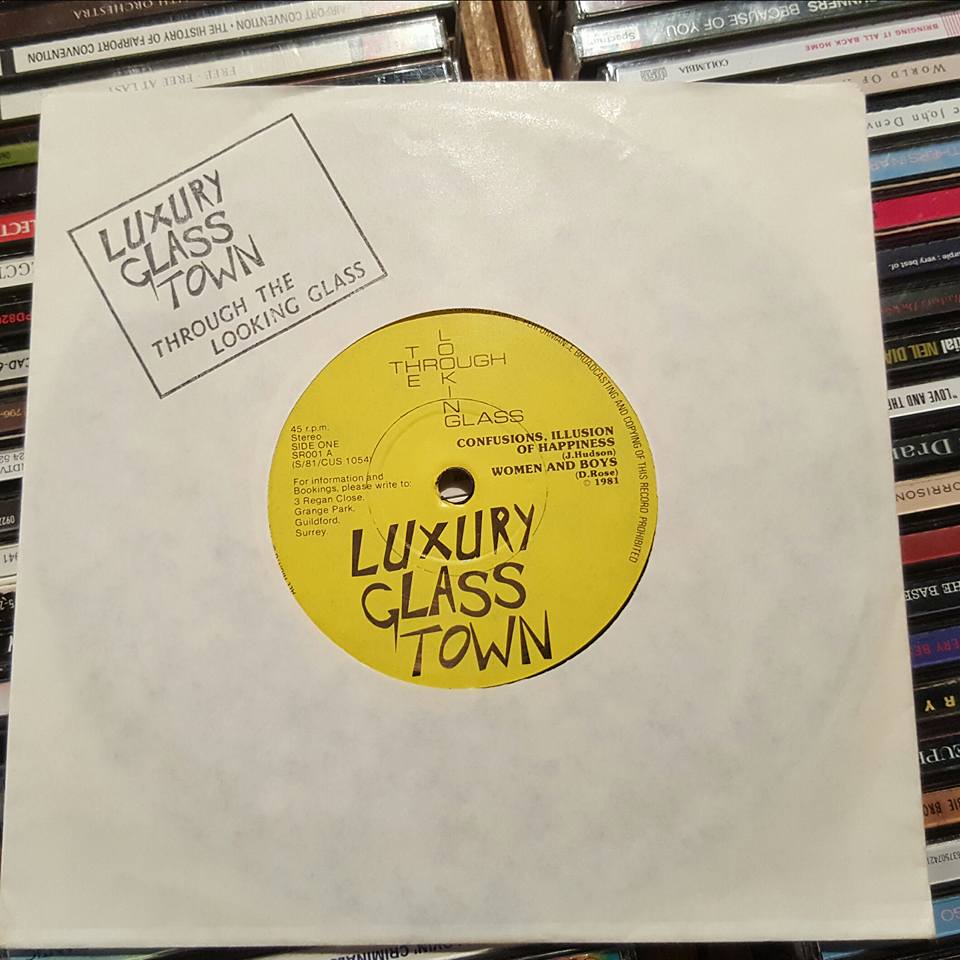
Luxury Glass Town’s “Through The Looking Glass” 7″ EP [SR 001]. Picture courtesy of Ben’s Collectors Records This Guildford band’s only release was the 7″ Through The Looking Glass” EP [SR 001] on their own Through The Looking Glass label. It carried four original songs: “Someone Like Sara”, “Name and Number”, “Confusions, Illusion of Happiness”, and “Woman and Boys” written by either Rose or Hudson.
It was recorded at Jacob’s Studios, Runwick near Farnham, on 20 November ’80 and 27 February ’81 with engineering by Ken Thomas – who’d go on to work with other local bands such as Big Sun. To add depth and texture to their songs, the band called in Sandra Benningsen to add backing vocals. Only 500 copies were pressed by SRT Productions, with a few escaping quality control featuring labels on the wrong sides.
In ’81, Rose was a founding member of Sammy Rats Big Big Blues Band. Five months after departing Sammy Rats, Rose got together with others to form The Ant Hill Mob. Hudson and Legg, who’d both been on Strange Cult and The Golden Age of Metro, would go on to be members of Ill At Ease and Innocent Bystander. Legg would also appear in Eat the Sofa a few years later and has since joined forces with others to form The True Deceivers.
Gallery:
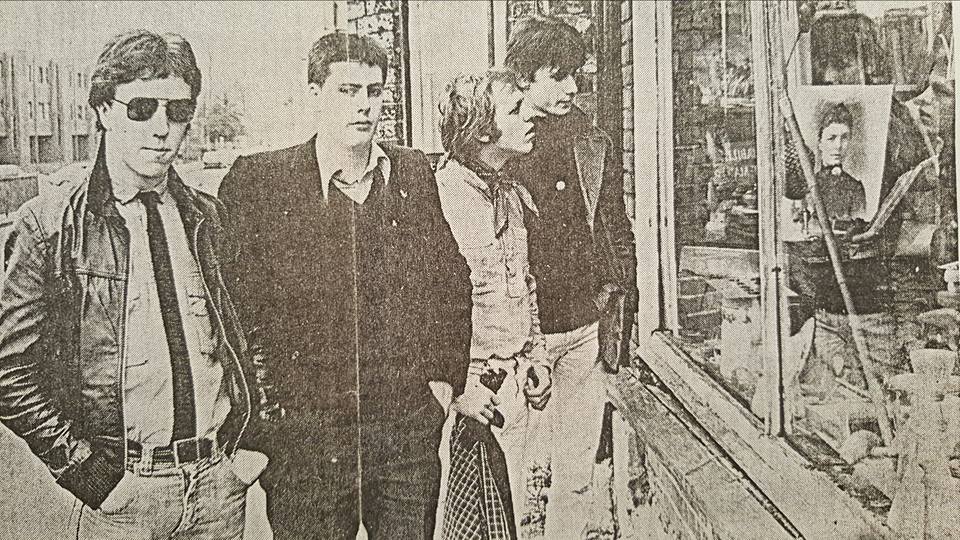
Luxury Glass Town outside Bellows Antique shop on Woodbridge Road, Guildford. Picture courtesy of Ben’s Collectors Records 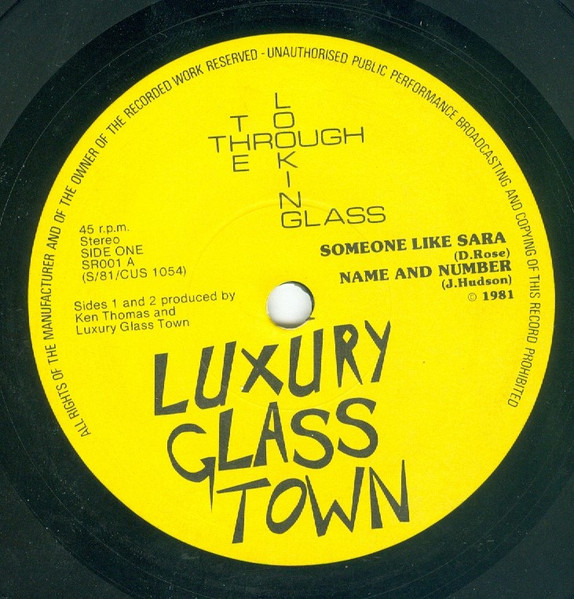
Side One of Luxury Glass Town’s 7″ “Through The Looking Glass” EP. 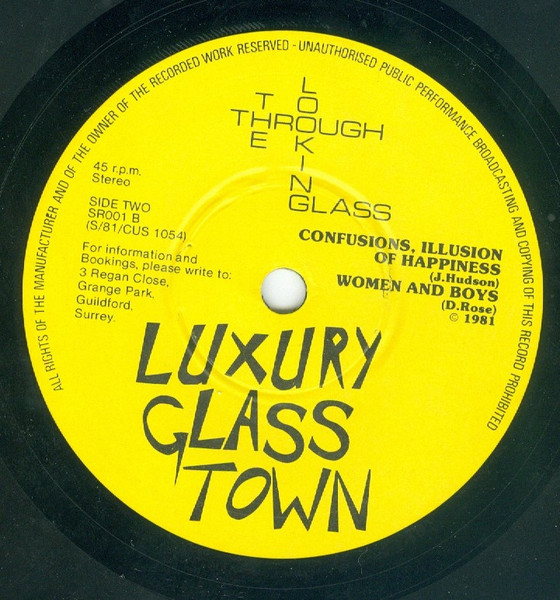
Side Two of Luxury Glass Town’s 7″ “Through The Looking Glass” EP. 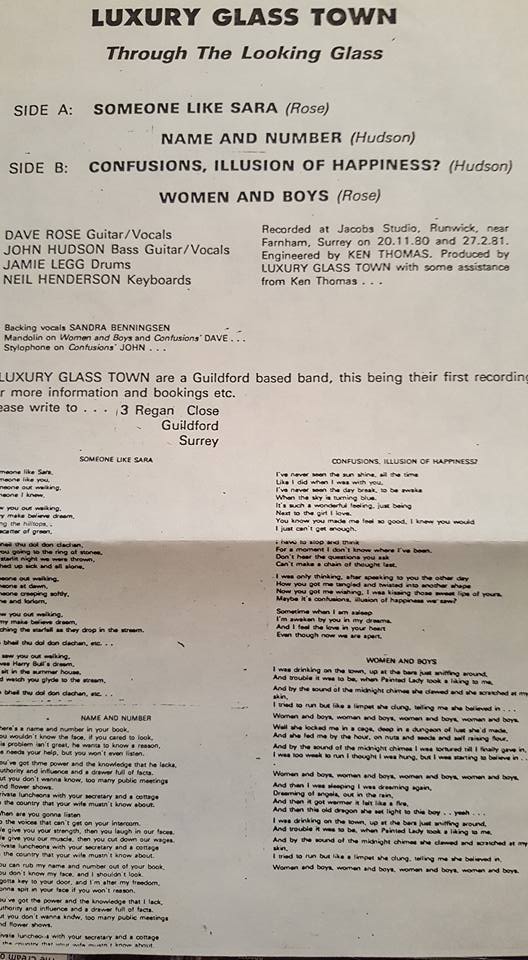
Information insert from Luxury Glass Town’s 7″ “Through The Looking Glass” EP. Picture courtesy of Ben’s Collectors Records Big Sun, David Rose, Eat the Sofa, Farnham, Guildford, Ill At Ease, Innocent Bystanders, Jacob’s Studio, Jamie Legg, John Hudson, Ken Thomas, Luxury Glass Town, Neil Henderson, Runwick, Sammy Rats Big Big Blues Band, Sandra Benningsen, SRT Productions, Strange Cult, The Ant Hill Mob, The Golden Age of Metro, The True Deceivers -
Iain Ballamy

(c’80 to date) – Iain Ballamy (saxophone)

Iain Ballamy with Bill Leru (double bass) and John Nuttall (drums) at what’s thought to be Bisley Pavilion. Picture courtesy of Inga Leru-Kelly Jazz musician Ballamy was born in Guildford and educated at George Abbot. His piano playing father Mark was probably who drove his piano lessons from age of 6 to 14. He found the saxophone in ’78 playing his first gig age 16 in 1980, appearing in his father’s band at the likes of the Guildford Jazz Club at The Stoke Hotel, Guildford (his father’s band being the house band there).
In ’84, as the Iain Ballamy Quartet he played Ronnie Scotts, London. Then in October he joined The Guildford Jazz Club’s house band of Martin Drew, John Critchinson, Dick Morrisey, Jim Mullen, and Ron Mathewson; on 14 and 28 October ’84. That same year he was also a founding member of Loose Tubes, releasing three albums with them between ’85 and ’88. In ’85 he won the John Dankworth Cup, Best Soloist and toured Romania on a British Council tour. From ’85 he also started working with Billy Jenkins, appearing on “Greenwich” that year and a further seven albums through to ’06.
By ’87 he had team up with Bill Bruford and Django Bates to form Bill Bruford’s Earthworks, supposedly first meeting at the Guildford Jazz Club, with whom he recorded five albums, including “Dig?” in ’89. Also in ’87 he appeared on Ray Russell’s “Childscape” and another two album recorded over proceeding years. On 3 March ’88 he returned to the Guildford Jazz Club, now in the bar at the Civic Hall, Guildford backed by his father again in the Geoff Rideout/Mark Ballamy Quartet.
His solo album, “Balloon Man” was released in ’89; which was awarded the BT British Jazz Award, Best Ensemble in ’95. Continuing his connection to Django Bates, he appeared on ’93’s “Summer Fruits (and Unrest)” on the JMT label and a further five collaborations that finished with “You Live and Learn…(Apparently)” in ’04. Six years after “Balloon Man”; “All Men Amen” and “Acme” came out, with Bellamy taking on the ‘Leader’ role. It was also in ’95 that he found himself on another British Council tour, this time of Morocco, and starting to take on commissions; the first entitled “Estuary English” for the Apollo Saxophone Quartet. They commissioned him again in ’96 for “Mirror Signal Manouvre” as did Birmingham Jazz for “Acme” and the British Council had him touring India
China and Senegal were on the British Council’s itinerary for ’97 as was a commission for “Oblique” from SAMPAD/Birmingham Jazz. Another two commissions in ’98: “Four and a Half Minutes Late” for Jane Chapman (solo harpsichord) and “Walpurgs Night” for Joanne MacGregor (duet for piano and tenor sax); and British Council tours of India, Lithuania, and Colombia. In ’99, he founded the record label Feral Records with Dave McKean.
In ’01 “Pepper Street Interludes” (with Stian Carstensen, Norma Winstone, Martin France and Matthew Sharpe) and “Signal To Noise” (a BBC Radio 3 play adaptation of the graphic novel by Neil Gaiman and Dave McKean) were recorded. That same year he was presented the BBC Jazz Award for Innovation. “Veggie” followed in 2002 (with Thomas Strønen, Arve Henriksen and Mats Eilertsen). Teaming up with Stian Carstensen again he lead “The Little Radio”, released in ’04.

“Little Radio” released in 2004. Picture courtesy of Ben’s Collectors Records The following year the “MirrorMask” original motion picture soundtrack came out, which Ballamy had composed; and later Luna. “Molecular Gastronomy” (with Thomas Strønen) and “Aware” were released in ’07. Somewhere in all the gigging and recording he also managed four albums with Ian Shaw, another 17 albums with various jazz greats, and three compilations. Over the years there were also numerous TV, radio, and film sessions and theatre work; as well as teaching at the Royal Academy of Music, Birmingham Conservatoire, Trinity College of Music, Rhythmic Music Conservatory Copenhagen, and the Royal Welsh College of Music & Drama.
He is also an agony uncle for Jazz UK Magazine with his column “In the Saxophonists Chair”
Gallery:
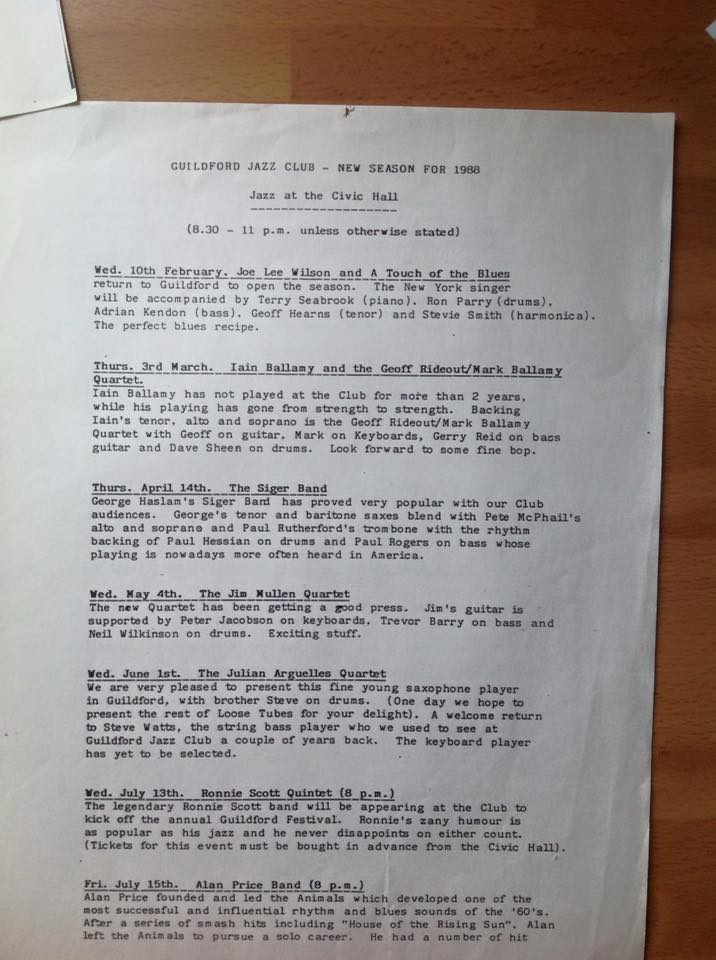
3 March 1988: Iain Ballamy returns to the Guildford Jazz Club. Source: Heather Tipton via Guildford Town Past & Present 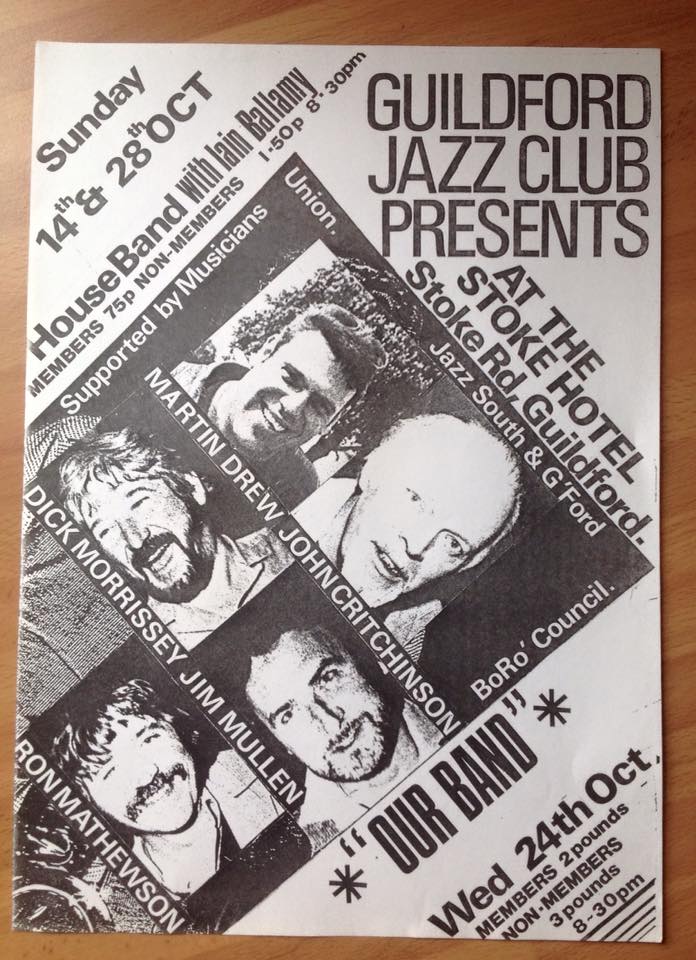
Source: Heather Tipton via Guildford Town Past & Present Apollo Saxophone Quartet, Arve Henriksen, BBC Jazz Award, BBC Radio 3, Bill Bruford, Bill Bruford’s Earthworks, Bill Leru, Billy Jenkins, Birmingham Conservatoire, Birmingham Jazz, British Council, BT British Jazz Award, Civic hall, Dave McKean, Dick Morrisey, Django Bates, Feral Records, Geoff Rideout/Mark Ballamy Quartet, George Abbott, Guildford, Guildford Jazz Club, Iain Ballamy, Iain Ballamy Quartet, Ian Shaw, Jane Chapman, Jazz UK Magazine, Jim Mullen, JMT, Joanne MacGregor, John Critchinson, John Dankworth Cup, John Nuttall, London, Loose Tubes, Martin Drew, Martin France, Mats Eilertsen, Matthew Sharpe, Neil Gaiman, Norma Winstone, Ray Russell, Rhythmic Music Conservatory Copenhagen, Ron Mathewson, Ronnie Scotts, Royal Academy of Music, Royal Welsh College of Music & Drama, SAMPAD, Stian Carstensen, The Stoke Hotel, Thomas Strønen, Trinity College of Music -
Wildfire

(c’88-’13) – Chris Turner (guitar) Ben Darnton (drums), and Kerry Bassett (double bass).

Wildfire at the Lion Brewery, Ash around ’89. Picture courtesy of Chris Turner The band, who often rehearsed in Collectors Records, Guildford; appeared at The White Hart, Farncombe in the late 80’s and played a Christmas gig at The Lion Brewey, Ash in ’89.

20 April 1991: Big Town Playboys supported by Wildfire were at Flicks. Picture courtesy of Ben’s Collectors Records On 20 April ’91 the Aldridge brothers booked then to support Big Town Playboys at Flicks, Guildford – for which they were paid £60; and again on 3 June to support Manfred Mann’s Earthband. They also supported Chicken Shack at the venue. The band were last seen playing Scratchers (Three Lions), Farncombe on 25th May 2013.
Other members have included James Hammond and at least 3 other drummers. Ex-Dark Paradise bassist Turner and Darnton could also have be caught in The Flying Tigers, Rockit Men and Slapattack; while Darnton had also served as percussionist in The Bunkers.
Gallery:

WildFire played a Christmas gig at Lion Brewery, Ash in 1989. Picture courtesy of Ben’s Collectors Records 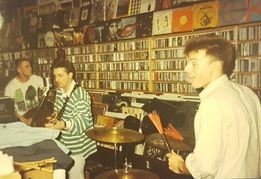
Wildfire rehearsing at Collectors Records c’89. Picture courtesy of Ben’s Collectors Records 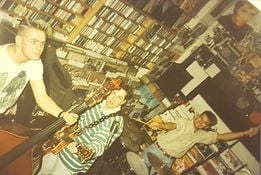
Wildfire rehearsing at Collectors Records c’89. Picture courtesy of Ben’s Collectors Records 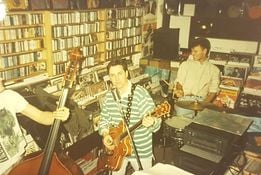
Wildfire rehearsing at Collectors Records c’89. Picture courtesy of Ben’s Collectors Records 
Wildfire at The White Hart, Farncombe in late 80’s 
Wildfire, on stage at Flicks, Guildford. Picture courtesy of Ben’s Collectors Records 
20 April 1991: Wildfire got paid 60 quid for supporting Big Town Playboys at Flicks. Picture courtesy of Ben’s Collectors Records -
The Four

(c’89) Ben Martyn (guitar), Dominic Coles (drums), Richard Hatcher (?), and David Bush (?).
The Four released a demo in August ’89, that they had recorded in New Orleans. In February ’89, while in New Orleans, they appeared at The Blue Nile on Frenchmen St.
Coles was also in Sugar Mountain at the same time. Both Martyn and Coles would join forces again in Something Religious. Cole went on to join The Outcast Band.
Gallery:

Martyn and Coles of The Four at The Blue Nile, Frenchmen St., New Oreans, in Feb ’89. Picture courtesy of Ben Martyn-Godfrey 
The Four get mentioned in PG Tips from August 1989. Picture courtesy of Daniel Hiscocks


Human beings takes me back to 1981. Followed them all over the Surrey reading area for a year a great band and 3 good guys playing well written songs of the era. I wish john Tim and steve well what ever they are doing now. Should reform for a few shows just like Oasis but do the wooden bridge.
LikeLiked by 1 person