The Surrey Sound Hub That Defined an Era (1976-1986)
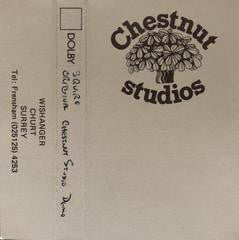
Nestled in the Surrey countryside, Chestnut Studios became a cornerstone of the local, and broader, music scene during its decade of operation. Owned by Tim Wheatley—a musician and producer with ties to bands like Good Earth, Taggart, House, Gracious, Cryin’ Out Loud, and Poker, as well as being the engineer at Keynote Studios, Frensham—Chestnut Studios played a vital role in shaping the sounds of punk, new wave, and experimental music. Though frequently cited as being in Churt, the studio’s location has also been linked to Guildford, Frensham, and Farnham, adding an air of mystique to its storied history.
The Birthplace of Iconic Tracks
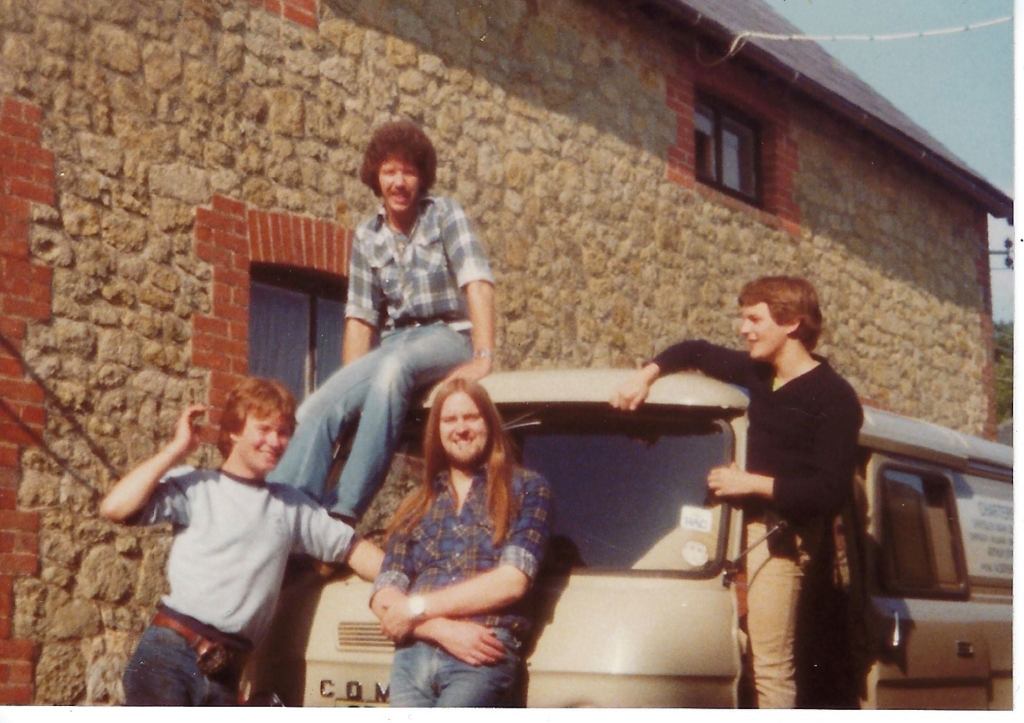
Film school friends Paul Friend and Charles Griffin ere, in ’75/’76, designed and assembled a mobile recording studio in the back of a Ford Transit Luton van, with a Scully 8-track 1” recorder and a Soundcraft mixing desk, plus lots of outboard gear. Griffin dealt with the business side, while music mad bass player Friend was the engineer. They were not getting much work, just a few live gigs featuring punk bands around London, and were wondering what the future held. Then they heard about an empty but sound-proofed barn in Churt. That is where Friend and Griffin met Wheatley. The barn belonged to Wheatley’s farming family, while he lived in a small, terraced cottage a few yards from the barn. The barn had been kitted out as a 4-track recording studio – Chestnut Mk I if you like, but the gears owner had recently left, taking the gear and Wheatley’s wife.
Wheatley had an empty sound-proofed studio, but no gear, and two very young boys. Between Friend, Griffin, and Wheatley they could solve a couple of problems. One party could provide the recording gear, and the other a sound-proofed studio, and, importantly, access to a load of local musicians who were keen to record in a studio. So, the mobile was parked out back of the barn, and they opened for business. They charged the princely sum of £8 per hour, when a fairly normal studio rate was £1 per hour per track, which they shared. Wheatley’s connections with local musicians meant they were soon very busy, and it became a no-brainer to rip the gear out of the van and install it permanently in the studio. So, Chestnut Studios Mk II was born.
Soon after Griffin quit to get a proper job, leaving Wheatley and Friend to it. Friend was the studio’s de facto and only engineer as Wheatley focused on looking after his two boys along with the admin and studio bookings. Chestnut Studios began to rise in prominence in 1976 when Headwaiter recorded early demos featuring Camel’s Andy Latimer on guitar and flute. That same year, Anthony “Dyl” Meynell, under the moniker The Numbers, recorded ten tracks with his brother, catching the attention of Sniffin’ Glue fanzine founder Mark Perry. The Numbers however never made it onto Perry’s Step Forward label, as Meynell joined Squire. Worthing based punk band The Bats also entered Chestnut in ’77 to record a demo. On 27 May ’77, Easy Cure entered Chestnut and for their first session as a three-piece, laid down about £50 in fees and 10.15 Saturday Night, Boys Don’t Cry, It’s Not You, and Fire in Cairo, to form the band’s Fiction Records deal-winning demo; all engineered by Friend; who recalls Robert Smith having ‘amazing charisma and an unforgettable voice’. Smith returned a couple of months later (post-deal), bringing a friend’s band to record at Chestnut, dressed in a huge fur coat and girls hanging on to him throughout! These tracks would all appear on The Cure’s 2004’s Three Imaginary Boys Deluxe Edition rarities CD. Mungo Jerry also used the studio.
By 1978, Chestnut had become a haven for emerging punk and new wave acts. The Vapors, who would later achieve international fame with Turning Japanese, recorded their original demos, including that metaphor for emotional transformation and obsession following heartbreak, not Japanese culture or masturbation, at Chestnut and nearby Shalford Village Hall. Friend said of The Vapors’ David Fenton that he was ‘incredibly well organized and efficient’. The studio also contributed to Who Invited Them?, a compilation showcasing Guildford-area bands: Poker, Jackie Lynton’s H.D. Band, House, and Headwaiter, reinforcing its reputation as a creative nucleus. Squire would also record four tracks at the studio: ‘Modern Love’, Get Ready to Go’, Getting Better’ and ‘Living in the City’ during ’78. But by mid to late ’78, the hours, which could easily hit 18 hours a day 7 days in a row, were getting to Friend, who eventually decided to quit.
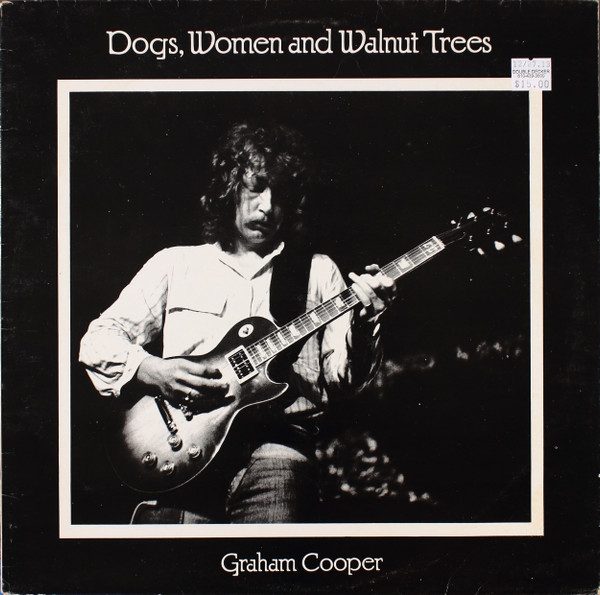
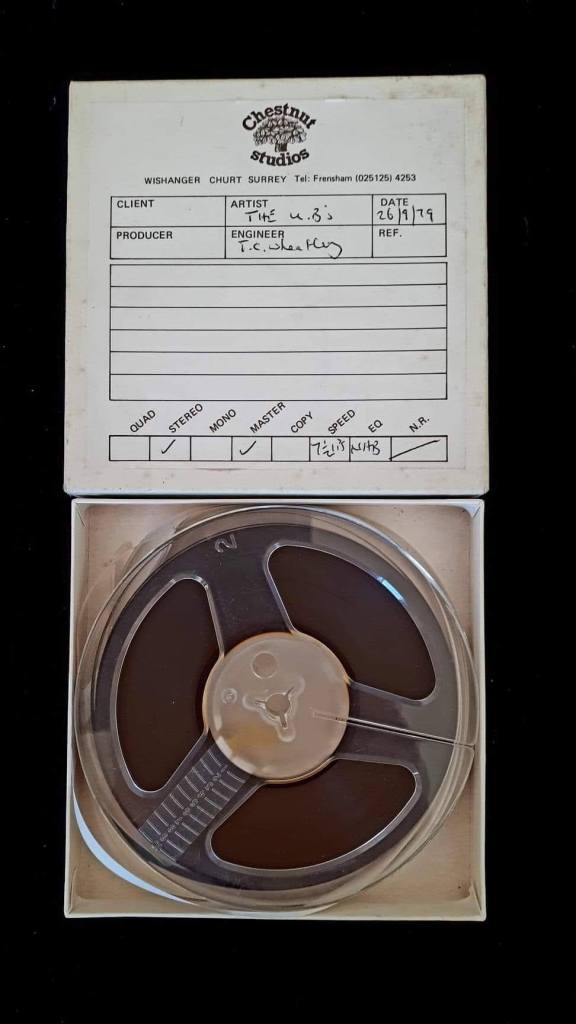
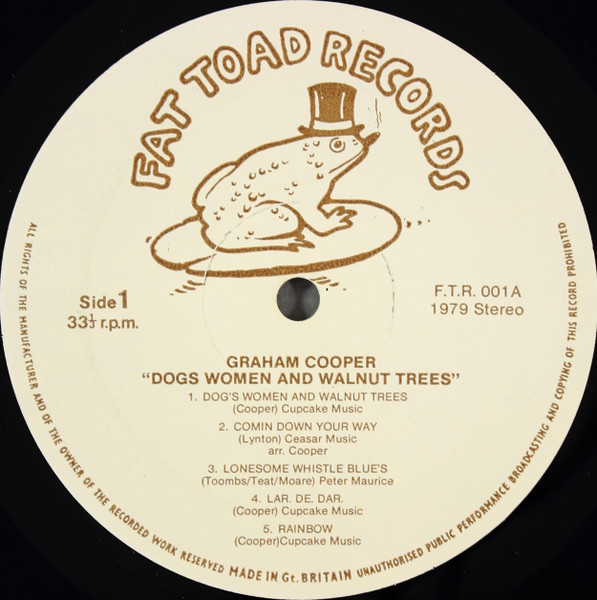
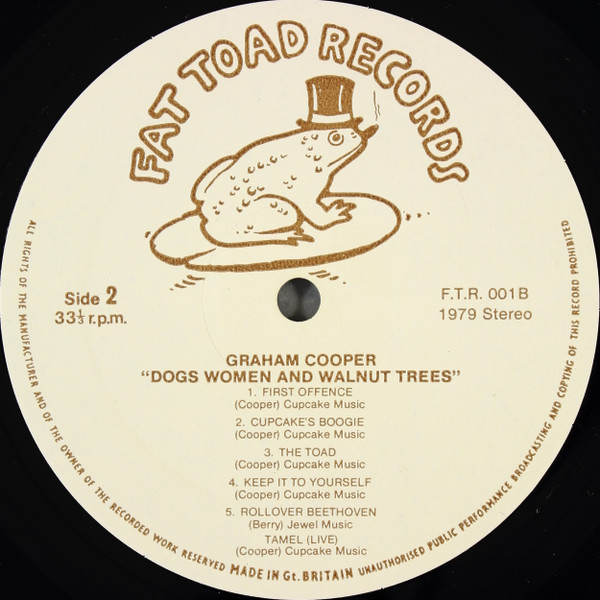
In September ’79, Graham Cooper entered Chestnut Studios and ably assisted by Greg Terry-Short on drums and fellow Soho member Terry Campbell on bass, who split those duties with engineer Wheatley, recorded nine rock and blues tracks, including Cupcakes Boogie. There were also backing-vocals provided by Tammy and Teri Collins on the title track, with the Bloodhound‘s Mick Hogsden, along with Greg Watkins and Terry-Short doing the same on Lar-De-Dar. These would be released as the solo vinyl LP: Dogs, Women and Walnut Trees on Fat Toad Records [FTR001]. There were also two bonus tracks on the B-side: Rollover Beethoven and Tamel recorded live with The Jackie Lynton Band and the Golden Lion, Fulham on 18 November ’78.
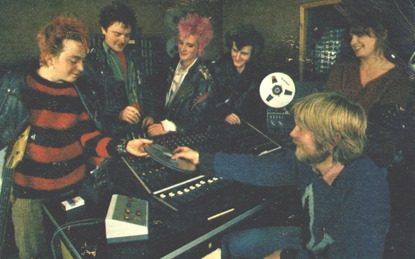
Camberley punk band, Lethal Dose received their master tape from Wheatley in the control room at Chestnut Studio an image that made the local press in 1980.
A Studio for All Genres
Beyond punk, Chestnut Studios supported a diverse array of artists:
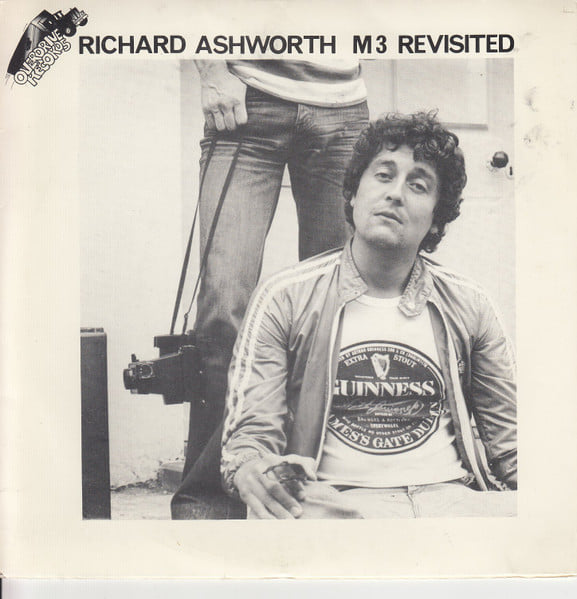
- Richard Ashworth: The singer-songwriter’s M3 Revisited EP (1978) was produced by Sev Lewkowicz, a frequent collaborator in Ashworth’s backing band White Dub, at the studio.
- Warrior: Their Trouble Maker LP (1980) featured Lewkowicz on keyboards and was produced by David Clifton, who later worked with Tanita Tikaram and Julia Fordham.
- The Cast: Their album In Order of Appearance [CS 001], which was partly mastered at the studio, became the first release on Chestnut Studios’ label in 1981.
- Voltz: Laid down most of the “Knight’s Fall” LP there in 1982; which was re-released in 2019.
- The Click: Recorded three demos at the studio in 1982, and while there got the call from manager John Glover that they were being signed to A&M records.
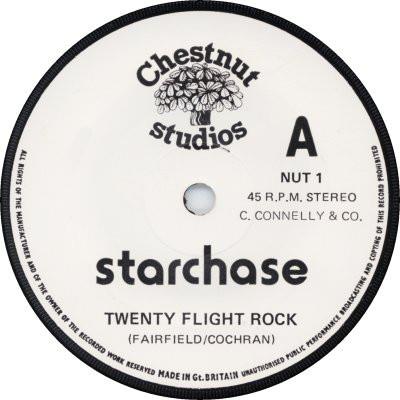
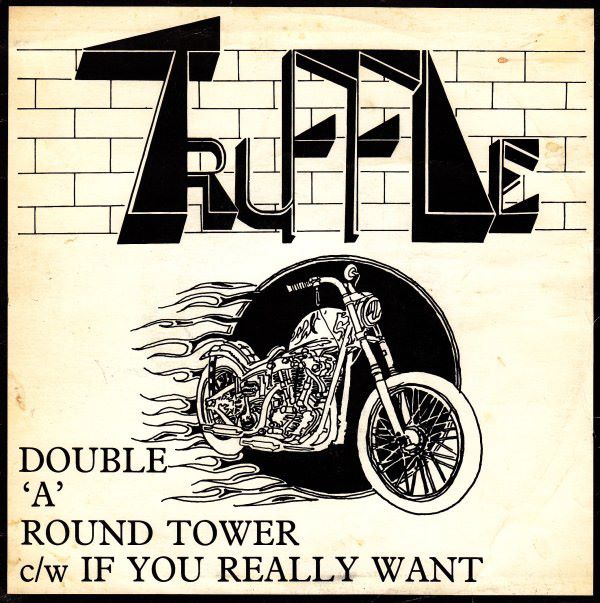
Tim Wheatley’s connections also extended to custom pressings. Under the “NUT” label series, the studio released Twenty Flight Rock [NUT-1] by Starchase, and Sounds of The Penthouse Dance Band [NUT-2] by The Penthouse Dance Band. In early ’81, Tumbling Dice’s Thing Called Love [NUT-4] and Hipnosis’ Shaping Up [NUT-5A] were produced. This practice appears to have stopped toward the middle of ’81 with the Round Tower [NUT-6] by Truffle.

After the demise of Soho, Tim Smit and Charlie Skarbek got together with opera singer Louise Tucker. Tucker’s Midnight Blue (1982) became a European chart-topper, co-produced by Wheatley and Smit. The album also featured Guildford sax player David Sherrington.
A Hotbed for Talent
The 6-piece Bloodhound spent time in Chestnut Studios in late ’79 early ’80 with Tim Wheatley producing their demo cassette. Polaris are also known to have recorded tracks at Chestnut, as are Out of Order, Matrix, T. T. Transmission, The Desotos, Pushmepullyou (produced by The Vapors Steve Smith there), The Linx, Panther, and Umpty’s Balcony / UBz who invoked a plague of frogs, that leapt about the live room, on their second visit.
Throughout its run, Chestnut Studios attracted an eclectic mix of artists. Folk musicians Maggie Holland and Jon Moore recorded the A Short Cut EP in 1986. Twickenham Streaker, Erika Rowe recorded a single “Remember Then” [PVR/CM/1] in November ’82 with Joker. The Soul Agents produced their independently released single Red Car / The Way I Feel, marking one of the studio’s final projects before its transformation into The Music Room in Farnham.
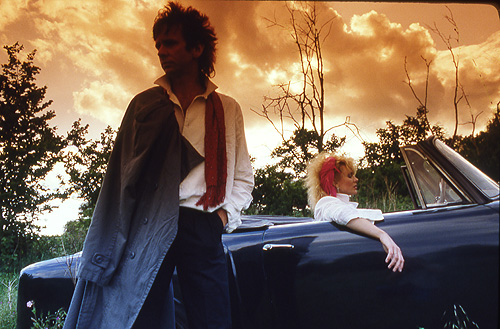
Also recorded at Chestnut in ’82 was “The Fishing Song” – Theme From “Go Fishing with Jack Charlton” issued on EMI [5286]. Written by Smit, it featured ex-The Rivals singer Stuart Reffold (vocals), Dick Middleton [guitar / banjo] and was co-produced by Smit and Lewkowicz, under the ‘band’ name Banjax (after a word used by Terry Wogan). Smit and Skarbek also produced The Reactors “Walking Wounded” at Chestnut, and photographer Herbie Knott used the studios’ location as the backdrop for a photo shoot of the duo.
The Legacy of Chestnut Studios
Susie Wadey and local journalist / songwriter, Dave Reading laid down some very 80’s sounding tracks – now lost to time; and John Hine recorded Silver and White, his only LP, in 1984.
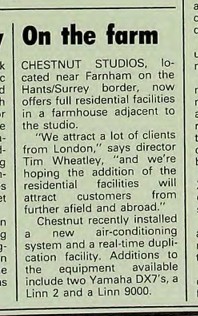
In ’85, after adding real-time duplication, two Yamaha DX7’s, a Linn 2 and Linn 9000, and air conditioning, the studio started offering full residential facilities in the farmhouse adjacent. As much as Chestnut Studios symbolized a specific moment in British music history, it also served as a launchpad for significant careers. Tim Smit, who co-produced several projects at the studio, would later achieve global recognition for founding the Eden Project. Artists like Lewkowicz and Clifton carried the studio’s spirit into their future endeavors, contributing to its enduring influence.
While its doors closed in 1986, the echoes of Chestnut Studios remain, enshrined in the records and memories of those who passed through its hallowed rooms. From punk anthems to folk ballads, its contributions to the Surrey music scene—and beyond—are undeniable. But while Chestnut was no more, the studio lived on, after a refurb, as The Music Room, Churt.
Tracks:
Gallery: