
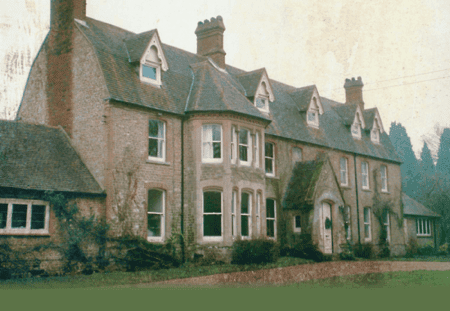
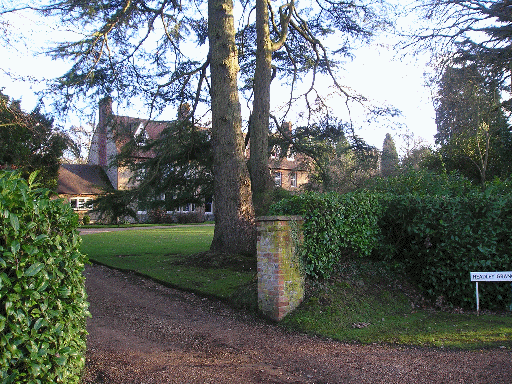
Built in 1795 ‘to shelter the infirm, aged paupers, and orphan or illegitimate children’ – it was a workhouse. On 23 November 1830, during the labourer uprising, it was sacked by rioters from Selborne. The damage failed to close Headley which continued as a workhouse until 1870 when it became a private house and given the moniker Headley Grange.
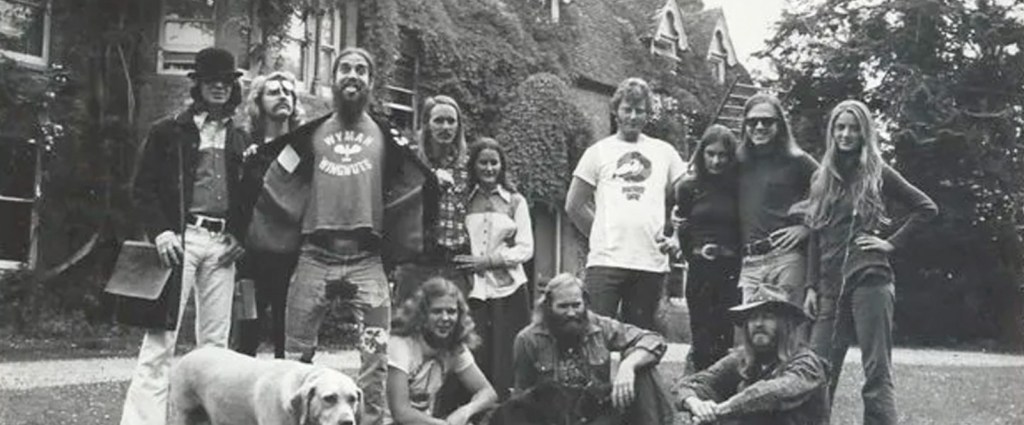
In 1961, and several owners later, a Mrs. Smith started letting the house to visiting Americans, and then as a hostel for Farnham School of Art students. Headley was then rented by various recording agencies and for a period of five or six years it became a live-in practice / recording studio for the likes of OMD, Genesis, Led Zeppelin, Fleetwood Mac, Bad Company, The Pretty Things, Ozark Mountain Daredevils, Ian Dury, Elvis Costello, and Clover.
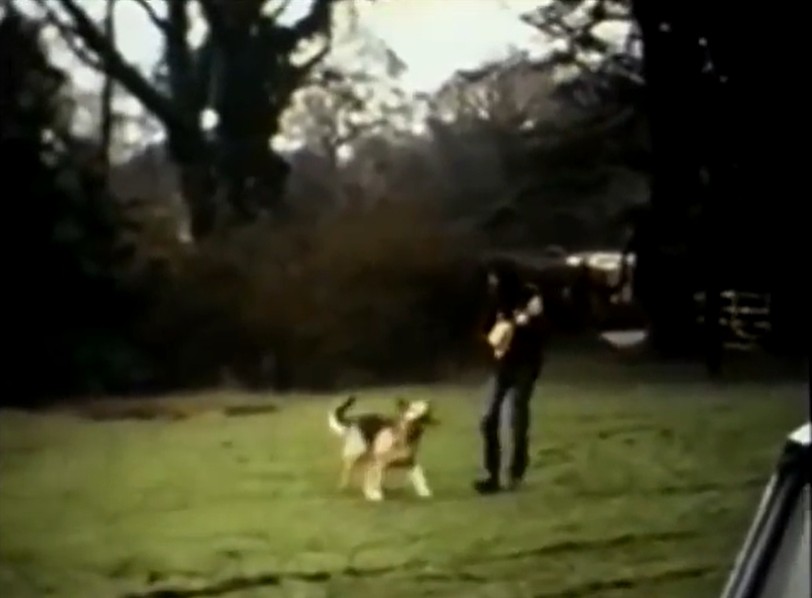
Zeppelin and Genesis both recorded in the drawing room, and in 1971, it is said that at Headley most of Zeppelin’s Stairway to Heaven came into being, in a single day. A nice thought but it ignores the writing at Bron-Yr-Aur, the cottage in Wales, initial recordings at Island Studios, London, and additional work in London, after Headley, where the iconic guitar solo was recorded. But it cannot be denied that parts of Led Zeppelin’s albums Led Zeppelin III, Led Zeppelin IV – the LP’s Black Dog being named for a Labrador Retriever that hung around the building, although old footage shows a German Shepherd -, Houses of the Holy and Physical Graffiti were composed / recorded at Headley Grange. Jimmy Page has described Headley as “somewhat rundown; the heating didn’t work. But it had one major advantage. Other bands had rehearsed there and hadn’t had any complaints.”
The English rock band Help Yourself were residents of the Grange twice, in ’71 and ’73, when they perfected tracks for their Beware the Shadow and Strange Affair LPs.
The eponymous Bad Company went platinum five times over, and through the bands association with Peter Grant it had been recorded at Headley using Led Zeppelin’s mobile studio in November ’73. The Grange was booked and the studio installed, but Led Zeppelin were nowhere to be seen, delayed for two weeks. According to Paul Rodgers “Peter told us that if we were quick, we could probably use the studio to lay a couple of tracks down. We steamed in and put the entire album down.”
It was in ’74 that Genesis ‘retired’ to Headly Grange to work on their next LP; and later that year The Lamb Lies Down on Broadway was released.

The house is no longer let, reverting to a quiet private residence. In 2009, for the documentary It Might Get Loud, Page revisited the building and discussed how the drums for When the Levee Breaks were recorded. That sound, captured in Headley’s three-story hallway, is one of the most recognizable openings to a rock song and has been heavily sampled by the likes of Björk, Massive Attack, Sophie B. Hawkins, Enigma, Beastie Boys, Eminem, Ice-T, Dr. Dre, Simple Minds, and Anthrax. It’s a romantic notion, perpetuated by rock legend, that the sonic magic of that drum sound comes from the architecture of the house itself. Epsom born sound engineer Andy Johns confirmed in interviews that a key part of the sound came from the Italian made Binson Echorecs reverb. The stairwell hall is part of the story, but on its own, would not have been sufficient to get the “Levee” drum sound.

In July 2014, Spitfire Audio arranged for drummers: Chad Smith of The Red Hot Chili Peppers, Roger Taylor of Queen, and session drummer Andy Gangadeen, who has drummed with the Spice Girls, Basia, Lisa Stansfield through to Jeff Beck, to visit Headley Grange and recorded samples in the same hallway as John Bonham.
Gallery:




There are a couple of misunderstandings (rock urban legends, if you will) regarding Led Zeppelin’s work at Headley Grange. The first comes from statements like “…it was at Headley that most of Zeppelin’s ‘Stairway to Heaven‘ came into being, in a single day” that distort the facts of the writing and recording of that song. The recording began with Island studios in London, after which the tapes were brought to Headley Grange for more work, and then work again moved back to London, which the iconic guitar solo was recorded. Initial writing for the song began at a cottage in Wales (Bron-Yr-Aur).
An even better known story (told on more than one occassion by Jimmy Page himself) regarding the drums in ‘When the Levee Breaks‘ is that the 3-story stairwell hall was responsible for the famous echoing sound of the drums. It’s a very romantic notion, that the sonic magic was in the architecture of the house itself, but it’s not actually true. Engineer Andy Johns confirmed to interviewers that a key part of the sound came from the use of a Binson Echorecs reverb. The stairwell hall was certainly part of the story, but on its own, would not have been sufficient to get the “Levee” drum sound. Which is good news to anyone trying to recreate that sound…it’s not necessary to rent an 18th century country manor house to get it.
LikeLike
Cheers 44lombard, the post has been augmented with your feedback.
LikeLike