
In addition to hosting a huge variety of gigs the University of Surrey, Guildford ran the “Tonmeister” course for training sound recording engineers/producers. It’s still going today within the Department of Music and Media.
The Tonmeister course was launched in the 1970/71 academic year, and in the 70’s the “trainees” had to be proficient musicians (grade 8 at least), demonstrate advanced knowledge of music theory and have qualifications in math and physics. The fully equipped recording studio would happily host and run recording sessions for local bands, with the Tonmeister students using these as training sessions/project work.
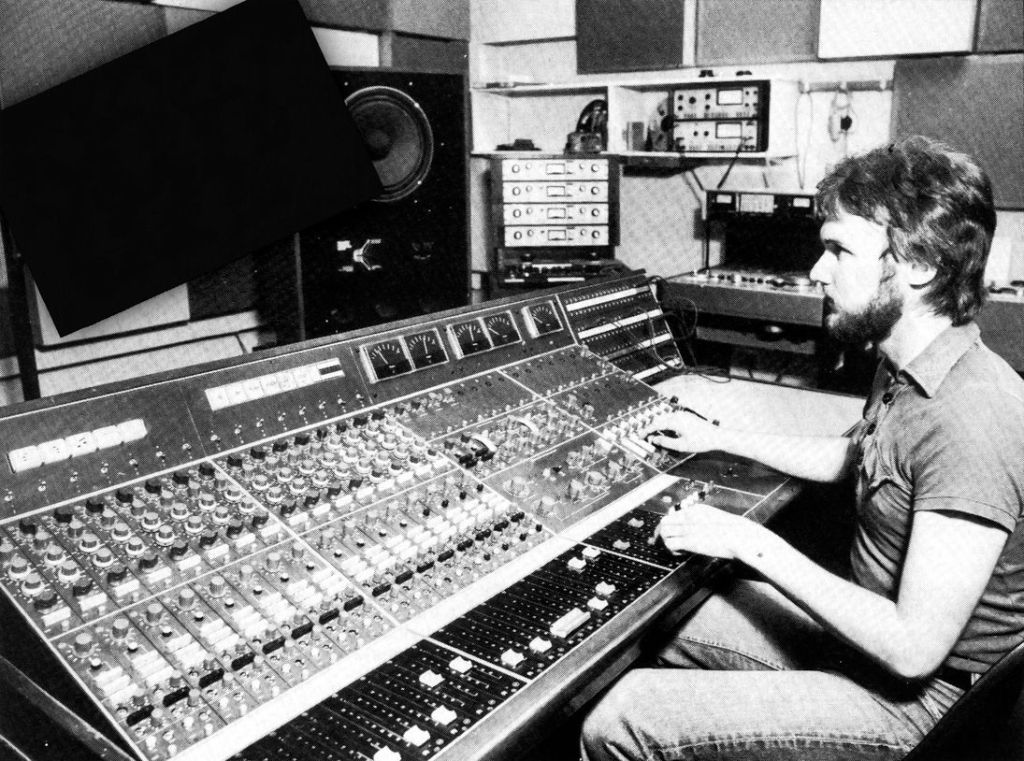
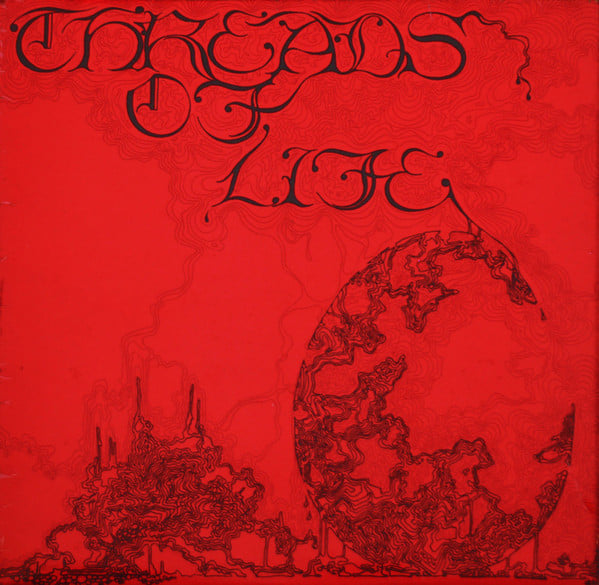
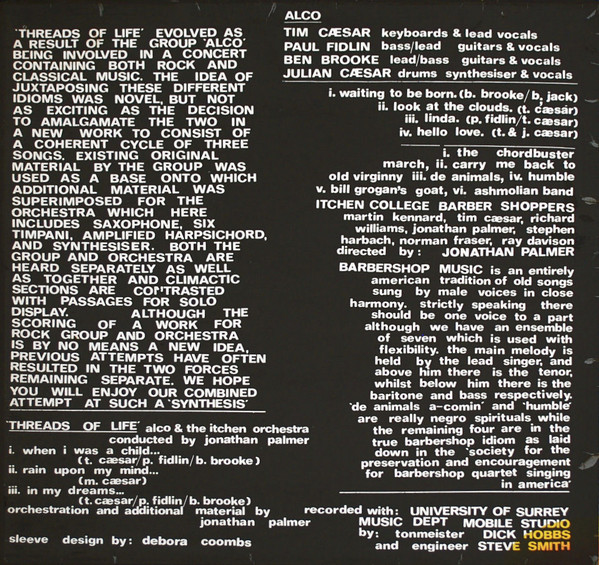
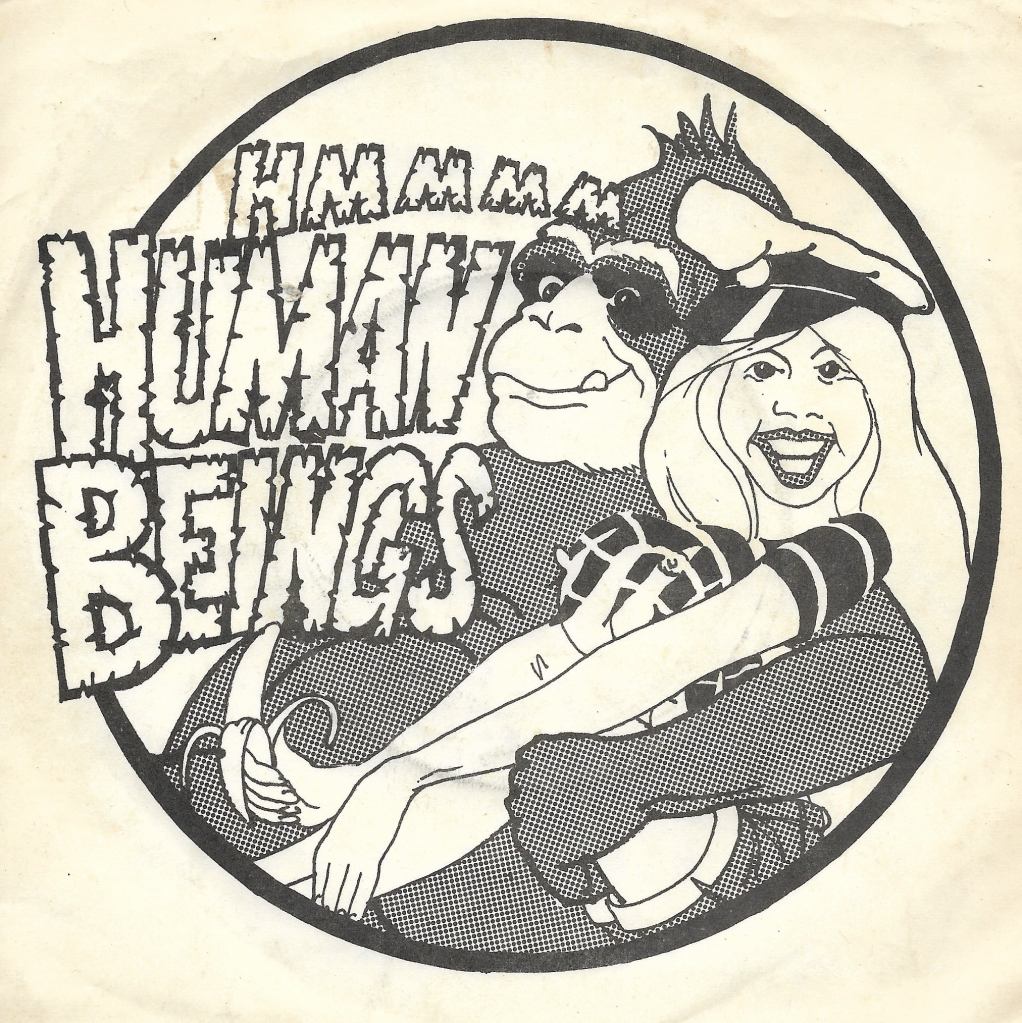
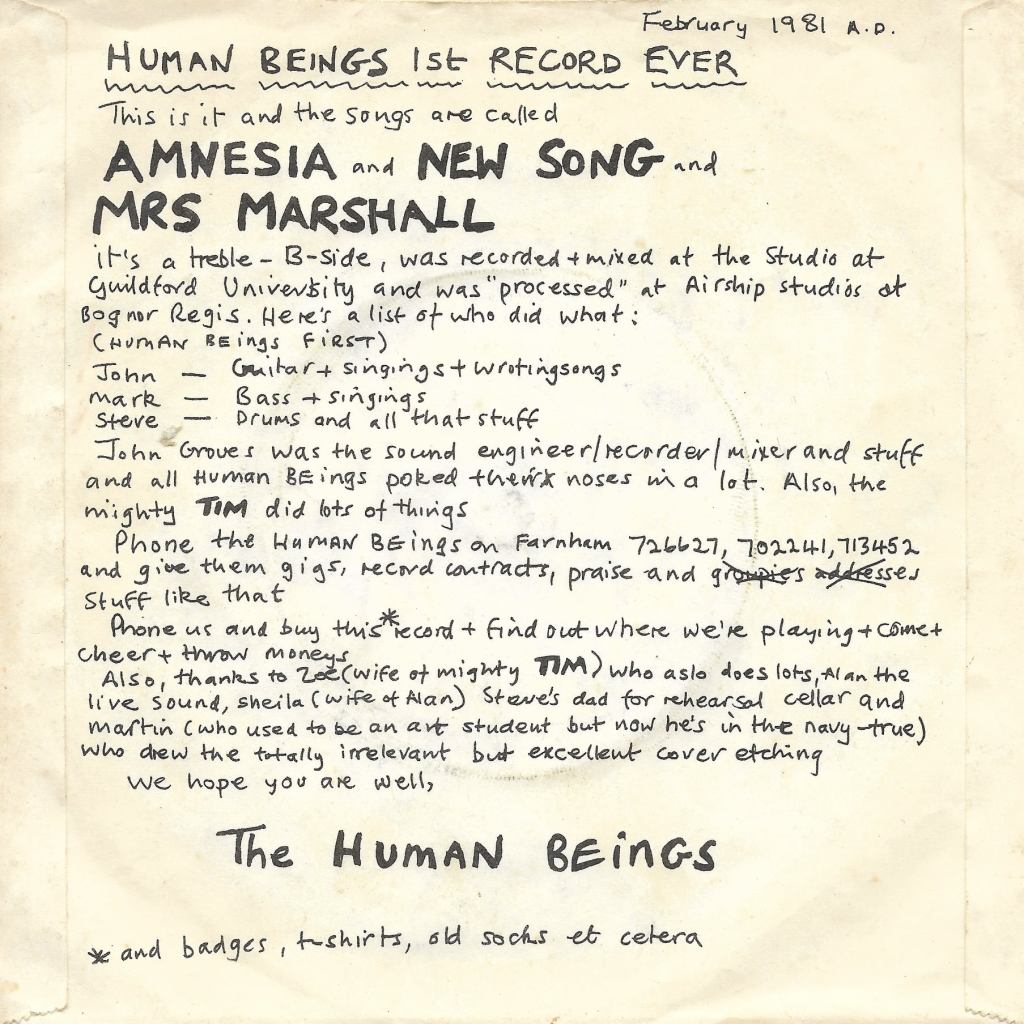
In the early days there were two studios and a mobile unit – which students could take anywhere within 100 miles. Alco’s “Threads of Life” was recorded by the University of Surrey Mobile Studio in ’72 with the Itchen Orchestra, by tonmeister Dick Hobbs and engineer Steve Smith. Farnham’s Human Beings released one treble B-side single on Airship Records titled “Amnesia” with “New Song” & “Mrs Marshall” on the flip-side, in 1981, which was recorded at the Tonmeister Studios by John Groves.
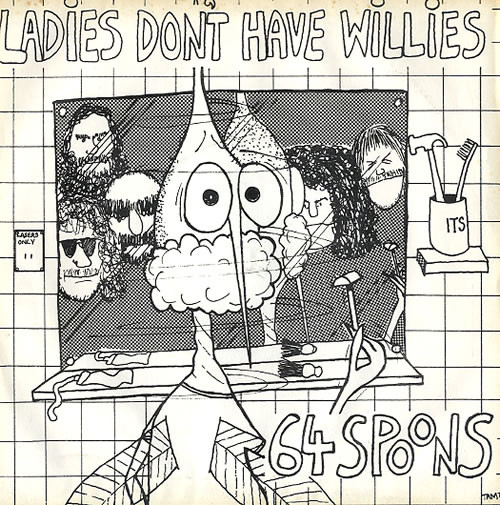
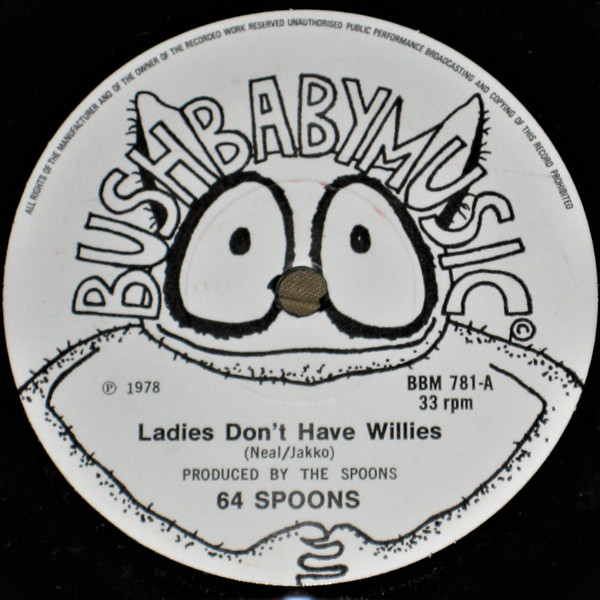
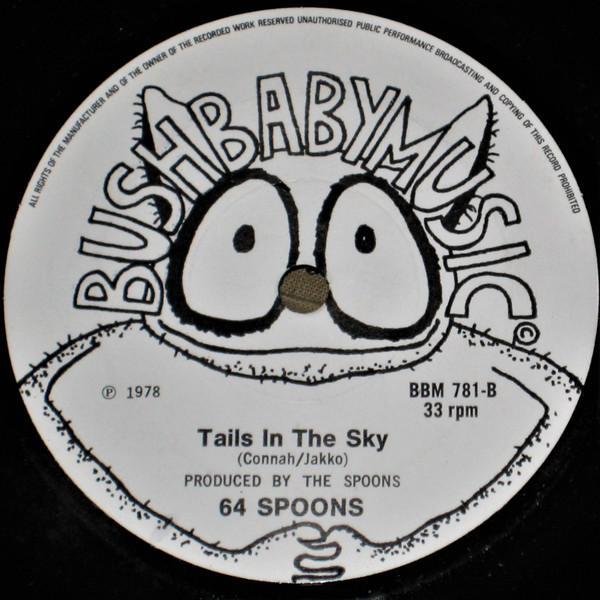
Over the 28 to 30 April ’78, David Wooley recorded 64 Spoons in the university’s 4 track studio, which led to the 7″ vinyl release on Bushbaby Music of “Ladies Don’t Have Willies” later that year. Bruno Bannerman recalls their band manager knowing the powers that be and getting his band booked for a 12-hour session on 29 May 1979. After only ever practicing in village halls and gigging in pubs, this was the first time any of the band had been into a real studio. It was a mind-blowing experience, along the lines of “Blimey, that sounds good, can that really be us playing?” and the day we spent recording with the Tonmeisters remains one of his happiest musical memories. Another local band, The Golden Age of Metro recorded their second demo at the university studio towards the end of ’79 or early ’80. Their all-night session with a good engineer – which may have been John Groves – cost them nothing, starting at 7pm and the band finally rolled out at about 6am the next day. Unfortunately, the master tape was last seen with Mac, their ‘manager. Luckily, they all had cassette copies.

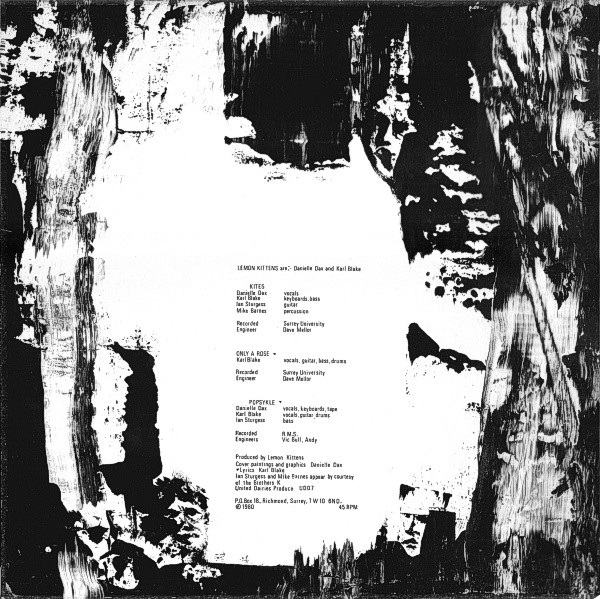
In late ’80, Ian Sturgess and Mike Barnes entered the studio to augment the avant-garde rock of Reading based Lemon Kittens duo, Karl Blake and Danielle Dax in the recording of “Kites” and “Only a Rose“. Engineered by Dave Meller these became the two tracks on the A-Side of February ’81s “Cake Beast” [UD07], the Kittens’ 12″ EP on the United Dairies label. Around the ’80s, Mark Terry recalls using the studio a few times. As guitarist for Spliff Riff, the band’s live set, consisting of both covers and original songs, was recorded by Julian Hight and Lee Rumble on 4-track at the university, mixing the result with the band Ronnie Johnson and Jay Johnson at Rumble’s caravan. On one occasion, along with composer Max Early and Dexy’s Midnight Runners’ saxophonist Nick Gatfield, Terry recorded a song of his own titled “It Doesn’t Matter” with fellow Crosswind‘s member Cheryl Lucas on vocals. He also recorded a song called “The Fugitive” with John Bush. Also, in the late ’80s, Sammy Rat’s Big Big Blues Band recorded a whole album’s worth of material at the University of Surrey studio. The deal was that the band could have a copy of the master, while the student – whose name has escaped us – used it for his course work.
The Tonmeister Degree Course was one of the few UK courses widely accepted by the recording fraternity as a suitable apprenticeship for prospective producers and sound engineers. Heavily over-subscribed only 7 or so applicants successfully gained places each year. Peter Wilson, who worked with the Style Council, Sham 69, The Jam and the Comsat Angels, was once a Tonmeister student, graduating from the University of Surrey’s Tonmeister music course in the early ’70s.
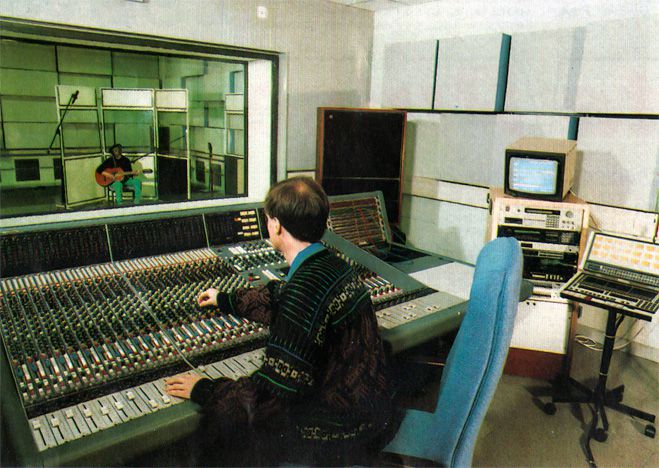
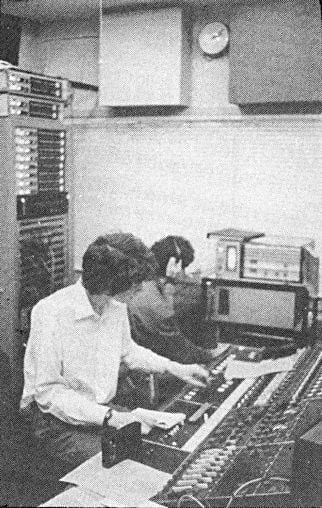
The first ‘music’ students began their course in a converted boiler room underneath University Hall and the control room was kitted out with a Neve desk and Studer and Revox machines in ’84. This was tie-lined to a copy room that had another Neve desk – effectively giving the facility a second recording room.
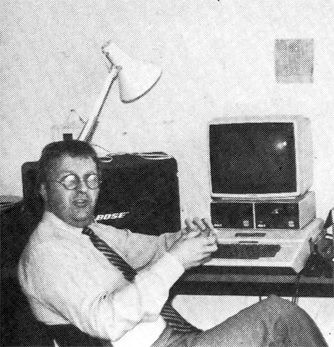
In addition to the Tonmeister studios there was an additional Electro-Acoustic Music Studio run by Robin Maconie, author of a book on Stockhausen and coauthor of a New Scientist article on computer composition. Now, for all those a little geeky about what kitted out a studio – that had digital, analogue, ambisonics, and recording equipment – in ’83/’84, here is the list: two Apple IIs, Alf music boards, Mountain Computer MusicSystem, and Soundchaser keyboard with Turbo-Traks 16-track software. VCS3, Synthi AKS, random voltage generator, pitch-to-voltage converter, 8-octave filter bank, Coloursound 8-way filter bank, Powertran vocoder. Calrec Soundfield microphone and control unit, Audio & Design Ambisonic Transcoder/UHJ encoder, and Minim AD-2 Ambisonic decoder. Sony SL-F1 VCR/PCM-F1 digital audio processor, Ferrograph Studio 8, Teac A3340, and NEAL cassette-recorder.
In ’86 Julian Lennon and Yoko Ono agreed that the University of Surrey’s new recording studio be named in memory of John Lennon. By November ’87 it was ready to use and to officially mark its opening and pay tribute to John Lennon the university held a concert in the Main Hall, on 22 November, that featured David Essex and Alvin Stardust, along with Beatles tribute band Cavern, compered by Mike Reid.
The position was very convenient for recording gigs above, but because it wasn’t properly sound proofed far from ideal when you wanted to lay down tracks in the studio and there were concerts or keep fit classes in the University Hall. The studio was also used as a lecture hall which meant there was no ‘upper level’ playback possible in the control room without triggering a professorial philippic. But soon plans were laid down for a purpose-built building. The Performing Arts Technology Studios, PATS for short, were opened in ’88, and it is still on campus today.
Gallery:


 Our Soundscene
Thanks for the look back into the past. Students on the Tonmeister course still look for bands and ensembles to record – there’s more information here: https://iosr.uk/facilities/booking.php.
If you want some more pictures of the old studio, please get in touch!
LikeLike